
Do I Need A Special Charger For Lithium Batteries
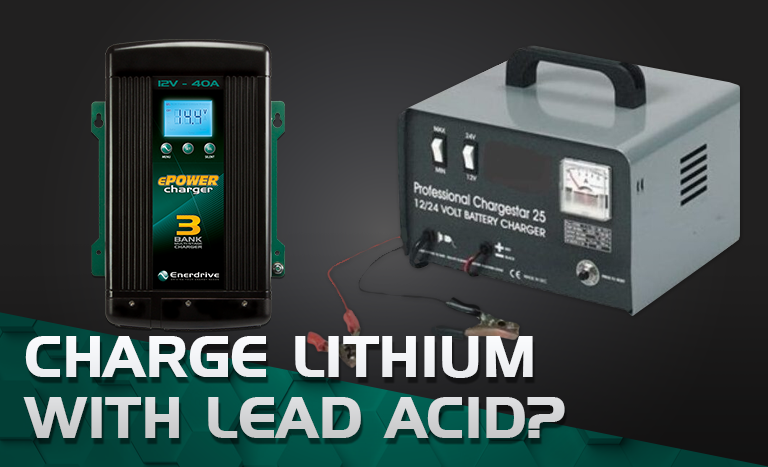
Ever stared at a drawer overflowing with chargers and wondered, "Do I really need a special one for this new gadget?" You're not alone!
Let's talk about those powerhouses called lithium-ion batteries – the things that keep your phone buzzing, your laptop humming, and your electric toothbrush... well, brushing.
The "Special Charger" Myth: Busted (Mostly!)
The short answer: usually, yes, you probably need a charger designed for lithium-ion, but not always a hyper-specific, unicorn-level unique charger.
Must Read
Think of it like this: you wouldn't try to fill your car with orange juice, right? (Please don't!). Batteries are a bit like tiny, picky cars.
They need the right kind of "fuel" – electricity – delivered in the right way.
Why the Fuss? Overcharging and Other Battery Boo-Boos
Lithium-ion batteries are wonderful, but they're also a tad dramatic. They're like those friends who are amazing to hang out with but get really grumpy if you forget their birthday.
Overcharging a lithium-ion battery is like giving that friend twenty birthday cakes. It's too much! It can lead to overheating, swelling, or, in extreme cases, even a little battery explosion (think tiny, not Hollywood!).
Undercharging isn’t great either – like only getting them half a card. It reduces their lifespan and makes them sad (okay, maybe not sad, but definitely less efficient).
That’s where the "special" charger comes in. It's not always a super-exclusive, only-works-for-this-one-device charger. It's usually a charger designed to manage the charging process for lithium-ion batteries specifically.
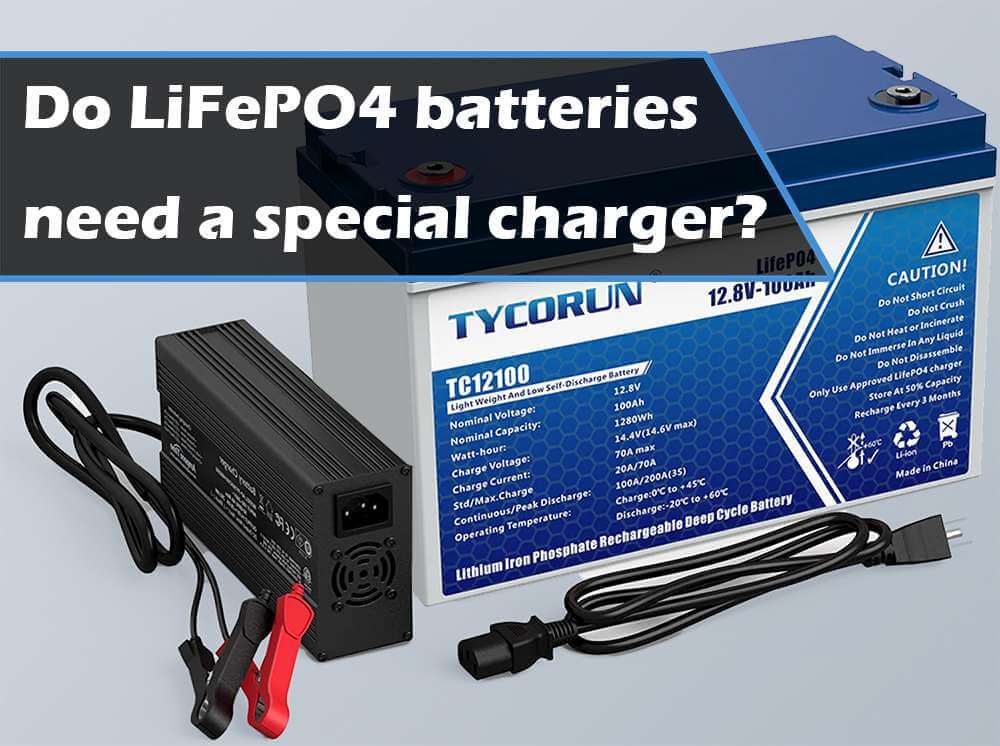
Decoding the Charger Lingo: Volts, Amps, and Other Scary Words (Made Easy!)
Chargers have labels with numbers followed by "V" (volts) and "A" (amps). These are just measures of electrical "oomph" and "flow."
Volts are like the pressure of the water in a hose, and amps are like how much water is flowing through the hose.
Your device needs a charger with the correct voltage. Think of it like needing the right size hose connector - too big or too small, and things get messy.
Amps indicate how quickly the battery will charge. More amps generally mean faster charging, but your device can only handle so much "water flow" (amps) without getting overwhelmed.
The "Smart" Charger Advantage
Many modern chargers are "smart." They have built-in microchips that monitor the battery's charging status and adjust the voltage and current accordingly.
They're like tiny battery babysitters, making sure everything is just right. These smart chargers stop charging when the battery is full, preventing overcharging and extending the battery's lifespan.
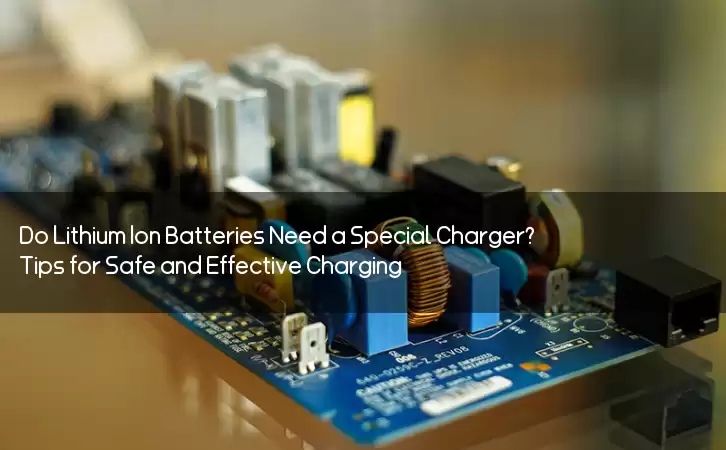
Think of them as little electrical therapists, providing exactly what your battery needs to stay happy and healthy.
When Can I Use a Different Charger? (The Tricky Part!)
This is where things get a little nuanced. Sometimes, you can use a charger from a different device, but only if it meets certain criteria.
First: The voltage must match! This is non-negotiable. Using the wrong voltage is like trying to power your house with a AA battery - it’s not going to work, and it could damage your device.
Second: The amps should be equal to or slightly higher than the original charger. Using a charger with lower amps will charge your device slower, but it usually won't damage it (but slower is better than "boom!").
Third: Check the polarity. This is usually indicated by a symbol on the charger and device (a circle with a + and - inside). Make sure they match up!
Fourth: When in doubt, consult the manufacturer's instructions! They know best. It is much safer than guessing. Don’t be a hero with electricity!
USB Chargers: The Great Simplifier (Sometimes)
USB chargers have become incredibly common, thanks to the universal nature of USB ports. Many devices can be charged using a standard USB charger.

However, even with USB, there are different standards (USB-A, USB-C, USB Power Delivery or PD). USB-C chargers with Power Delivery (PD) can deliver more power and charge devices faster.
Be careful with super-fast chargers! If your device isn't designed for rapid charging, using a high-wattage charger could potentially damage the battery over time. Slow and steady wins the battery life race!
So, can you use that random USB charger you found in a drawer? Maybe. Check the voltage and amperage, and if you're unsure, err on the side of caution.
Generic vs. Brand Name Chargers: Is There a Difference?
While some generic chargers are perfectly fine, others can be of questionable quality. A cheap, poorly made charger can potentially damage your device or even pose a safety hazard.
Sticking with reputable brands or chargers recommended by the device manufacturer is generally a safer bet. It's like buying shoes – you can go cheap, but your feet might regret it later.
Paying a little extra for a quality charger is an investment in the longevity and safety of your devices.

The Ultimate Rule of Thumb: When In Doubt, Don't!
If you're ever unsure about whether a charger is compatible with your device, it's always best to err on the side of caution.
Using the wrong charger could damage your battery, shorten its lifespan, or, in rare cases, even create a safety hazard. A new charger is a lot cheaper than a new phone (or a visit from the fire department!).
Read the manual, check the specifications, and when in doubt, stick with the charger that came with your device or one specifically recommended by the manufacturer.
Lithium Battery Charger: More Than Just a Plug
So, do you need a special charger for lithium batteries? Yes and no. You need a charger designed for lithium-ion batteries with the correct voltage and amperage, and ideally, one that's "smart" enough to manage the charging process safely.
Don't treat electricity like magic, and always be careful.
But, with a little knowledge and common sense, you can keep your devices powered up and your batteries happy and healthy for years to come. Go forth and charge, responsibly!
Remember, your battery is counting on you!