
Do Hardwired Smoke Detectors Have Batteries

That sound. You know the one. It pierces the quiet of the night, a tiny, insistent chirp that echoes through the stillness of your home.
It’s the universal signal that something needs attention, usually from a device we often take for granted until it decides to make its presence known.
We’re talking about the humble smoke detector, the silent guardian of our homes, suddenly demanding our immediate, groggy focus.
Must Read
The Midnight Serenade and Our Assumptions
For years, we’ve been conditioned. Chirp equals low battery. It’s a Pavlovian response, almost.
It means a trip to the store for a fresh 9-volt, a wrestling match with a stepladder, and perhaps a few muttered words trying to open the casing.
This is a familiar, almost ritualistic dance for most homeowners and renters alike, a quintessential part of adulting.
The Hardwired Hero Enters the Scene
But then, a new contender enters the ring: the hardwired smoke detector. Ah, the marvel of modern home design!
These aren't your typical battery-only models. Oh no, these sophisticated guardians are wired directly into your home's electrical system.
They draw power from the very veins of your house, seemingly freeing you from the tyranny of the midnight chirp, right?
The logic is compelling: if it's wired into the main power, it doesn't need batteries. It’s a neat, efficient, and frankly, comforting thought.
Many of us have invested in these models precisely for that perceived freedom from battery-related drama.
The Great Reveal: A Twist in the Tale!
Oh, if only life, and smoke detectors, were that straightforward, dear reader. Prepare yourself for a delightful, somewhat maddening revelation.
You see, many, perhaps even most, hardwired smoke detectors absolutely, positively do have batteries.
Yes, you read that correctly. That high-tech, wall-powered device you confidently installed still harbors a tiny, power-packed secret.
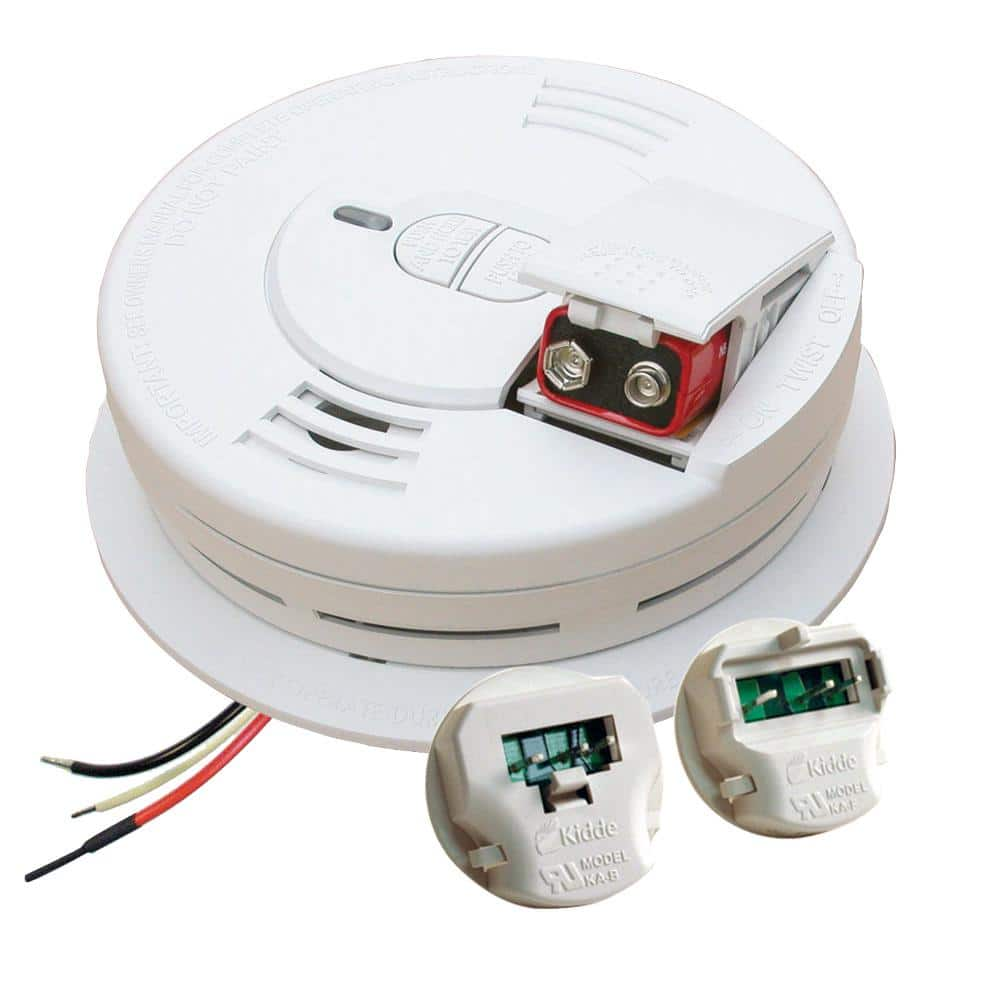
It's a moment of pure, comedic irony when you finally discover this truth, often at the least convenient hour.
All your logical assumptions about a wire-powered future suddenly crumble in the face of a single, stubborn 9-volt battery.
It’s like finding a secret candy stash in your healthy cereal box – a delightful, albeit slightly frustrating, surprise.
Why the Backup Buddy? The Logic Behind the Little Cell
Before you throw your hands up in exasperation, understand that this isn’t some cruel prank devised by detector manufacturers.
These little power cells serve a crucial, life-saving purpose: they act as a vital backup power source.
Imagine a scenario: a fierce storm hits. The winds howl, the rain lashes down, and suddenly, the lights flicker and die.
Your entire home is plunged into darkness, and with it, your hardwired smoke detector's primary power source vanishes.
That's precisely when you might need your smoke detector most, during an emergency when power failures can compound other dangers.
That's where the trusty 9-volt battery (or sometimes a few AA batteries) steps into the spotlight.
It ensures your silent guardian remains vigilant, ever-watchful, even when the grid lets you down.
This tiny, often-forgotten component is the true hero of the story, ensuring continuous protection regardless of external circumstances.
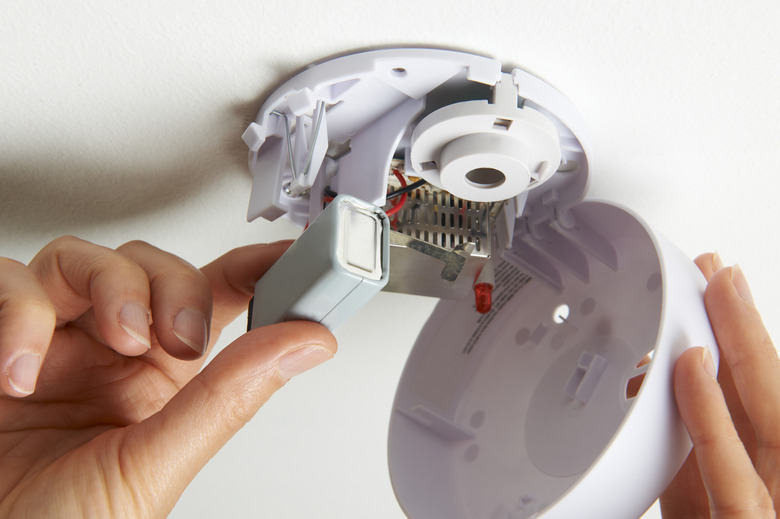
It’s a testament to the foresight of engineers, really, understanding that life happens and safety can’t take a night off.
The Midnight Scavenger Hunt: A Universal Comedy
Picture this: It's 3 AM. The world outside is a symphony of crickets and distant wind, a perfect backdrop for deep slumber.
Then, it strikes. A tiny, piercing chirp that slices through the peaceful darkness like a laser beam.
Your eyes snap open. Your heart does a little frantic jig in your chest. "Not again," you moan silently, already anticipating the grand quest.
You cautiously creep out of bed, a stealthy ninja on a mission, trying not to wake the slumbering beast (your partner, of course).
You tiptoe to the kitchen. Nothing. The hallway. Still silent, except for your pounding blood, then another faint chirp from above!
Ah, the living room. You drag out the trusty stepladder, a beacon of hope in the gloom.
Your spouse, now roused by the commotion, mumbles from the bedroom, half-asleep: "Didn't we get the hardwired ones? The ones that don't need batteries?"
You nod grimly, knowing the truth that's about to unfold. The universal confusion about these devices is a shared plight.
With a flashlight clenched in your teeth, you ascend the ladder, a modern-day knight battling a minuscule, chirping dragon.
Your fingers fumble with the casing, expecting emptiness, a clear sign of its wire-powered superiority, a testament to your smart home choices.

But no! There it is, nestled snugly inside: a familiar, unassuming 9-volt battery, staring back at you with quiet defiance.
All that logic, all that certainty, undone by a single, small power cell. The irony is palpable, almost poetic.
You replace it, the blessed silence descends once more, and you descend the ladder, a victorious, slightly bewildered hero.
This shared experience is why this particular nugget of information often elicits a chuckle, or perhaps a knowing sigh, from homeowners.
"The hardest part about changing a smoke detector battery is finding the detector that's actually chirping at 3 AM."
More Than Just an Annoyance: Appreciating the Design
So, that midnight chirp, while annoying, isn't a flaw. It's actually a diligent warning.
It’s your hardwired detector's way of saying, "Hey, my backup needs a refresh! I'm keeping watch, but let's make sure I'm ready for anything."
This dual power system is a brilliant design feature, offering a second layer of defense that provides robust protection.
It’s like having a security guard for your security guard – an extra measure of peace of mind for your most precious assets.
The small battery inside is a symbol of an unwavering commitment to your safety, ensuring vigilance even in unforeseen circumstances.
Your Role in the Safety Symphony: Testing and Replacing
Now that you're in on the secret, what’s a savvy homeowner to do with this newfound wisdom?
First, embrace the fact that all smoke detectors, wired or not, need regular attention. They are not set-it-and-forget-it devices.
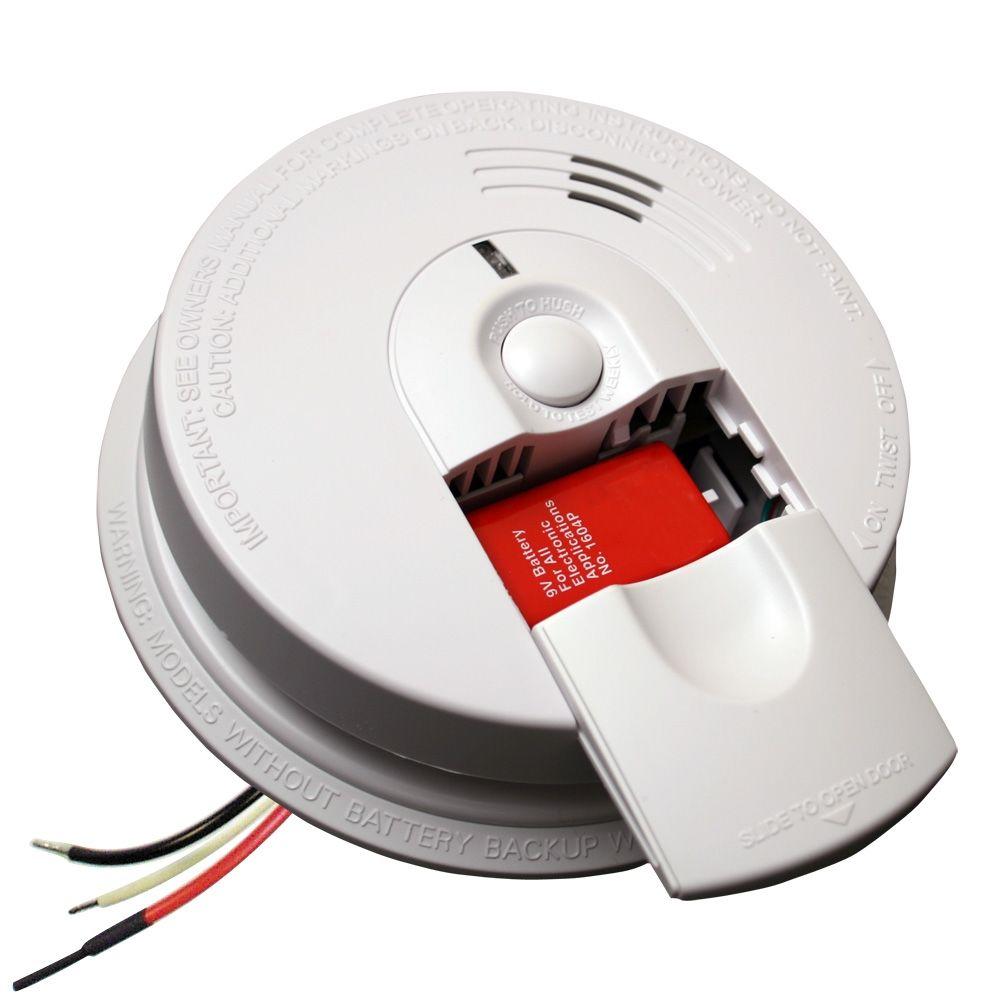
Experts recommend testing your detectors monthly. Just press that test button! It's a quick, loud reminder of their readiness.
And yes, make a habit of replacing those backup batteries at least once a year. It's a small task with immense returns.
A brilliant trick is to remember to change the batteries when you change your clocks for Daylight Saving Time.
This easy habit ensures continuous, reliable protection for your loved ones and your cherished home.
The Unsung Vigilantes: Our Home's Guardians
Smoke detectors are truly the unsung heroes of home safety. They sit quietly, patiently waiting, often unnoticed until they're desperately needed.
They don't ask for much—just a fresh battery now and then, and a quick test to confirm their functionality.
But their vigilance can be the difference between a small incident and a true disaster, their value immeasurable.
A New Perspective on an Old Friend
So, the next time you hear that familiar chirp, don't just groan and curse the heavens.
Pause for a moment and appreciate the clever, layered design behind it, even in your seemingly self-sufficient hardwired model.
Your smoke detector, with its little backup battery, is a testament to thoughtful engineering and an unwavering commitment to safety.
It's a small detail, but one that underscores a much larger picture of protection and peace of mind.
And who knew a simple smoke detector battery could hold such a surprisingly heartwarming, and at times humorous, tale?