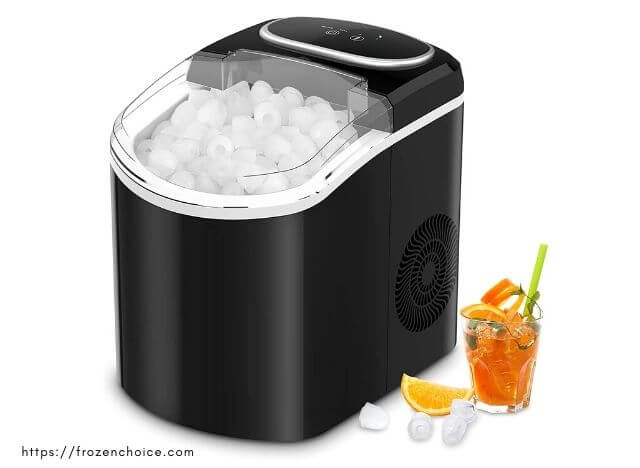
Do Countertop Ice Makers Use A Lot Of Electricity
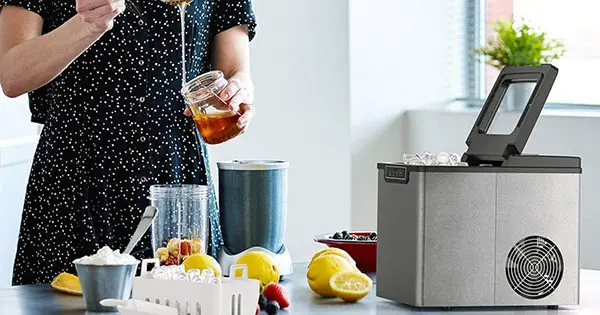
Want ice? Like, right now? Countertop ice makers are pretty awesome. They promise ice on demand, right on your kitchen counter. No more trips to the fridge or waiting forever. But here's the big question: are these little ice factories secretly electricity vampires? Let's find out!
The Thirst for Power: How Much Juice Do They Drink?
Okay, so how much electricity are we talking about? It's not a simple answer. It depends on a few things. Think about the size of the ice maker. A bigger one that makes more ice will naturally use more power. Then there's the insulation. Good insulation keeps things cold, which means less work (and less electricity) for the ice maker.
Generally, a countertop ice maker uses somewhere between 120 and 300 watts. That's roughly the same as a regular light bulb, give or take. Now, they don't run 24/7. They cycle on and off to make ice. That means they're not constantly sucking up power.
Must Read
To put it in perspective, let's say your ice maker uses 150 watts and runs for 4 hours a day. That's 600 watt-hours, or 0.6 kilowatt-hours (kWh). Check your electricity bill to see how much you pay per kWh. Let's pretend it's $0.20. That means your ice maker costs you about 12 cents a day. Not too bad, right?
The Ice Age: Factors That Affect Energy Use
But wait! There's more to the story. Several factors can impact how much electricity your countertop ice maker uses.
- Ice Production: Making more ice means more energy. If you're constantly churning out ice, expect a higher bill.
- Ambient Temperature: A hot kitchen makes the ice maker work harder. Keep it in a cool spot for better efficiency.
- Maintenance: A dirty ice maker is an inefficient ice maker. Clean it regularly to keep it running smoothly.
- Ice Size: Some machines give you a choice of ice cube sizes. Larger ice cubes could mean the machine runs longer, thus more electricity is used.
- Features: Some models have extra features like self-cleaning. Self cleaning features often need more electricity.
Chill Out: Tips for Saving Energy
Want to keep your ice maker from becoming an electricity hog? Here are a few simple tips:
- Location, Location, Location: Keep your ice maker away from direct sunlight and heat sources. A cooler location will help it run more efficiently.
- Fill it Up: Using chilled water will help lower the initial temperature and reduce the machine's work.
- Keep it Clean: Regular cleaning prevents build-up and ensures efficient operation. Refer to your owner's manual for cleaning instructions.
- Unplug When Not in Use: If you won't be using your ice maker for a while, unplug it. Even when idle, it can still draw a small amount of power.
- Consider Ice Type: Gourmet ice makers might need more power. Some countertop ice makers focus on pellet ice, others on cubes. The pellet ones might take longer, so more energy.
The Cold, Hard Truth: Is It Worth It?
So, do countertop ice makers use a lot of electricity? The answer is... it depends. Compared to running a central air conditioner all day, no, they don't use a ton of power. But they do use some.
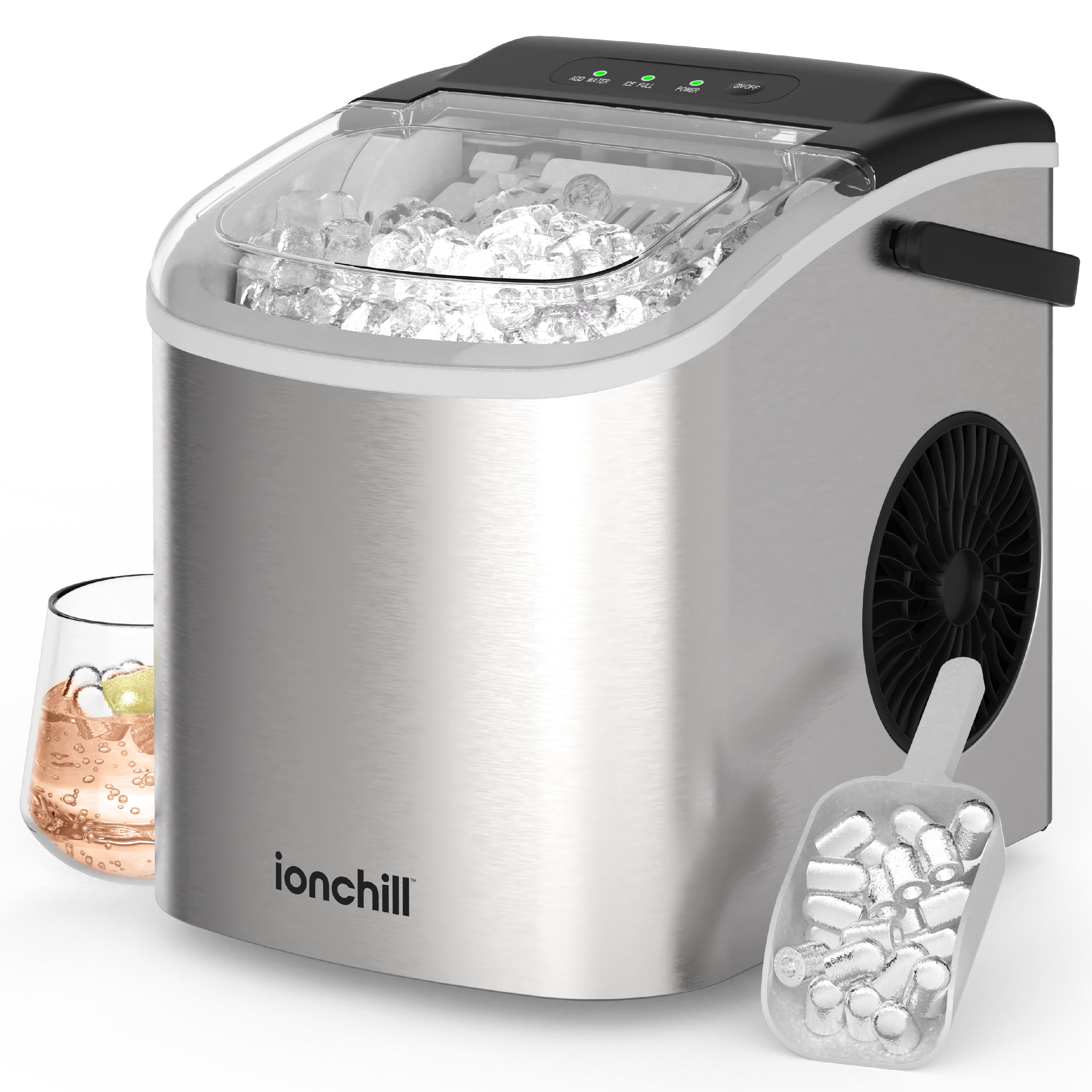
The real question is whether the convenience is worth it to you. If you're always running out of ice or you just love having ice on demand, a countertop ice maker can be a game-changer. Just be mindful of your energy consumption and follow our tips to keep your costs down.
Think about this: how much time do you spend refilling ice trays? Time is money! And how much do you value the convenience of having ice ready whenever you need it? Maybe it's worth a few extra cents a day to ditch the ice tray drama.

Ultimately, the decision is yours. But now you have the information you need to make an informed choice. Happy ice-making!
Consider models with an Energy Star rating for greater efficiency!