Do Ceiling Fans Use Less Electricity Than Ac
Ah, the ceiling fan. That ever-present, often-overlooked fixture humming quietly above our heads. It's a symbol of home, a gentle breeze on a summer day, and often a source of debate when the electricity bill arrives. But let's settle this once and for all: when it comes to keeping cool, does a ceiling fan actually use less electricity than an air conditioner? The short answer is a resounding yes! But the longer, more nuanced answer is where the real fun begins.
Think of the ceiling fan as the ultimate minimalist. While your air conditioner is a power-hungry beast working tirelessly (and expensively) to lower the overall temperature of an entire room, the ceiling fan is a clever strategist. It's not cooling the air, per se, but rather circulating it. This creates a breeze that evaporates moisture from your skin, making you feel cooler. For artists struggling with stifling studio conditions, a ceiling fan can be a game-changer. Forget about melting pastels and sweaty canvases – a gentle breeze keeps you comfortable and focused on your craft. Hobbyists tinkering in workshops can also benefit. Whether you're soldering electronics or building model airplanes, a cool breeze keeps you sharp and prevents overheating.
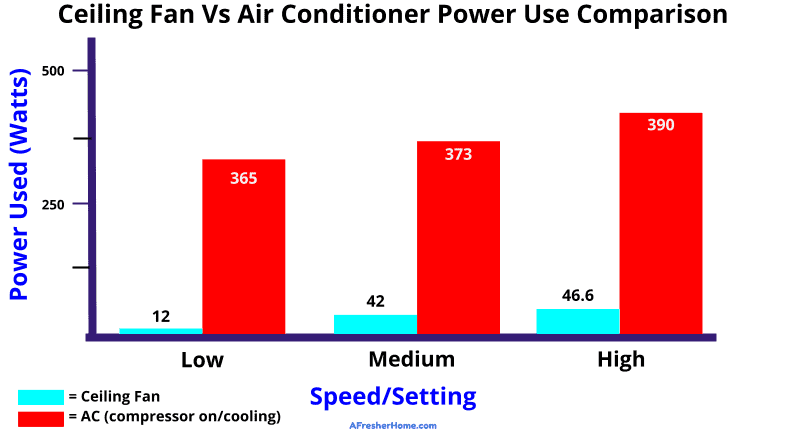
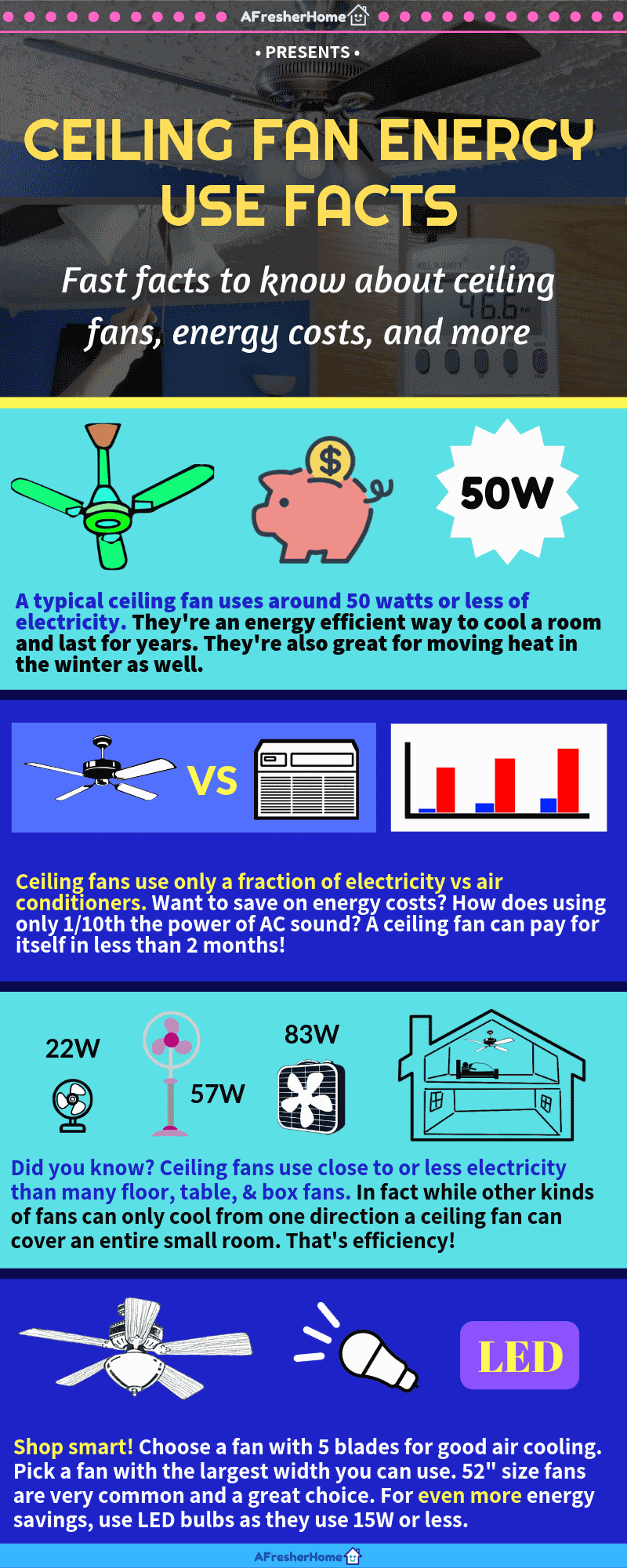
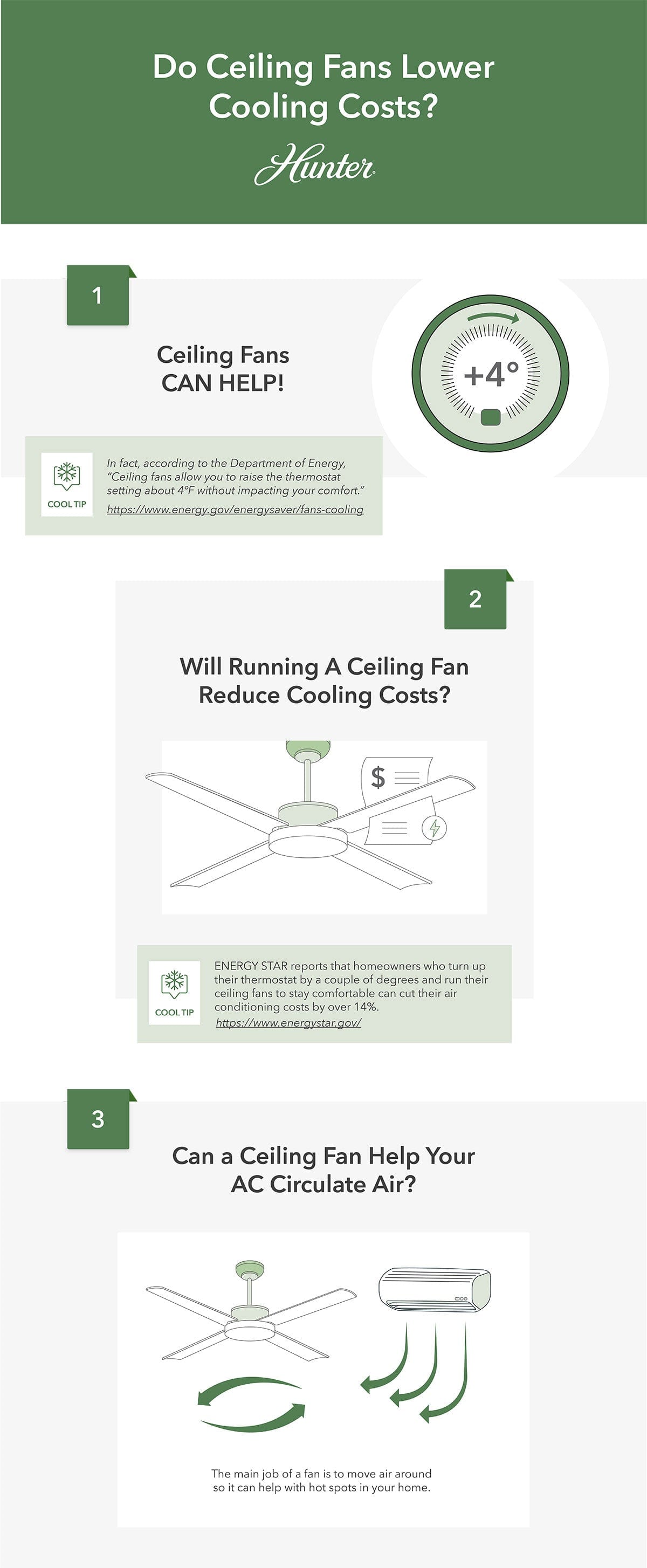
The beauty of a ceiling fan lies in its simplicity. It's not about a dramatic transformation, but about incremental improvement. Think of it like this: your AC is the oil painting, painstakingly crafted and demanding attention. The ceiling fan, on the other hand, is the quick sketch, capturing the essence of comfort with minimal effort. And that's where the savings come in. Running a ceiling fan uses a fraction of the electricity compared to an AC unit. We're talking about the difference between a lightbulb and a refrigerator! This difference can translate to significant savings over the course of a summer. Furthermore, you can use it in conjunction with your AC and still save money. Setting your thermostat a few degrees higher and letting the fan circulate the cooled air means your AC won't have to work as hard.
Must Read
So, how can you maximize the energy-saving potential of your ceiling fan? First, make sure it's spinning in the right direction. In the summer, blades should rotate counter-clockwise when viewed from below, pushing air downwards to create that cooling breeze. In the winter, reverse the direction to pull cool air up and circulate warm air down from the ceiling. Second, use the fan only when you're in the room. It's not cooling the space, it's cooling you. There's no point in running it in an empty room. Finally, keep your fan clean. Dust accumulation can weigh down the blades and reduce its efficiency. Regular cleaning ensures optimal performance and energy savings.
Ultimately, the appeal of the ceiling fan goes beyond mere practicality. It's about creating a comfortable and inviting space. It's about enjoying the simple pleasures of a gentle breeze on a hot day. And it's about feeling good knowing that you're saving energy and money without sacrificing comfort. So, next time you reach for the AC remote, consider flipping on the ceiling fan instead. You might be surprised at how much you enjoy the subtle, energy-efficient comfort it provides. It’s a win-win situation – good for your wallet and good for the environment!