Do Apartments Have To Have Carbon Monoxide Detectors

Ever found yourself wondering about the little things that keep us safe at home, especially in a cozy apartment? It's easy to take for granted the invisible guardians around us, but sometimes, a little curiosity can lead to discovering something truly important. Today, let's peek into the world of carbon monoxide detectors and explore whether these silent sentinels are a must-have in apartments. It might not sound like the most thrilling adventure, but understanding this simple device can make a world of difference for your peace of mind and safety.
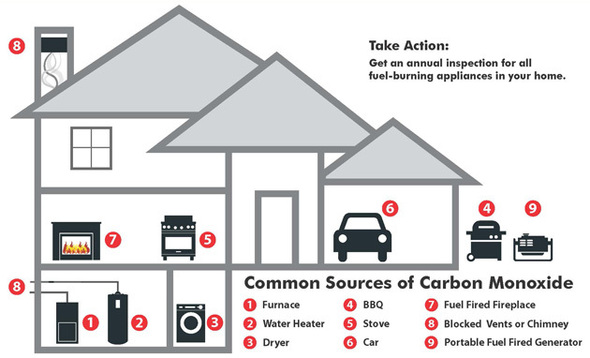
So, what exactly are we talking about? Carbon monoxide, often called the "silent killer," is a gas you can't see, smell, or taste, making it incredibly dangerous. It’s produced when fuels like gas, oil, kerosene, wood, or charcoal don't burn completely. Think about common culprits in an apartment: a faulty furnace, a leaky water heater, a blocked chimney flue, or even a gas stove that isn't ventilating properly. This is where the carbon monoxide detector swoops in like a superhero. Its primary purpose is to detect even trace amounts of this toxic gas and sound an alarm, giving you and your loved ones crucial time to evacuate. The benefits are crystal clear: it’s a life-saving early warning system that protects you from a truly invisible threat, safeguarding not just humans but also our beloved pets who are even more susceptible to CO poisoning.
In our daily lives, CO detectors operate largely unnoticed, diligently monitoring the air. For apartment dwellers, understanding their presence is a key part of home readiness. For instance, in many places, landlords are legally required to install and maintain these detectors, treating them with the same importance as smoke alarms. This isn't just a landlord's chore; it's a vital piece of the educational puzzle for tenants too, knowing to test them regularly or report any issues. We see their use in community safety campaigns, teaching residents about potential CO sources like idling cars in attached garages or using charcoal grills indoors (a big no-no!). Even in schools, science lessons might touch upon gas detection, highlighting how these simple devices use sensors to prevent tragic accidents, demonstrating real-world applications of chemistry and safety engineering.
Must Read
Ready to explore this a bit more yourself? Here are a few simple tips. First, if you're curious about whether your apartment must have one, a quick search for your local or state housing laws and building codes will give you the definitive answer. Regulations vary significantly, so what's required in one city might be optional in another, though many jurisdictions are making them mandatory. If your apartment doesn't have one, or you're unsure, consider buying a plug-in or battery-operated detector; they are surprisingly affordable and easy to install. Get into the habit of testing your detector monthly by pressing the test button – just like you would a smoke alarm. Familiarize yourself with the alarm sound. And perhaps most importantly, chat with your landlord or building manager about their CO safety protocols. Sharing this knowledge with neighbors and friends can also help create a safer community for everyone. It's a small step that offers immense peace of mind.