
Do All Portable Acs Need A Window

Picture this: It’s the peak of summer, sweat is practically a fashion accessory, and your trusty ceiling fan is just redistributing warm air. You’ve had enough. You splurge on a sleek, shiny portable AC, envisioning icy bliss in minutes. You unbox it, plug it in, feel that glorious cold breeze… then you spot it. The dreaded exhaust hose. And you look around your windowless basement office, or that tiny internal bedroom, or your gloriously renovated attic space with only skylights, and a cold dread washes over you. Where on earth does this thing go?
That moment of 'uh oh' is exactly why we're here today, my friend. Because while the term 'portable AC' sounds like a free-wheeling, cool-air-anywhere solution, the reality, for most of them, is a little… vent-ier than you might initially hope. So, let’s dive into the burning (or rather, chilling) question: Do all portable ACs need a window?
The Nitty-Gritty: Why Most Need a Window
Here’s the deal, and it’s pure science, folks. A traditional air conditioner, whether it’s in your wall, central to your house, or a portable unit on wheels, works by moving heat. It doesn't just magic cold air out of thin air (pun intended!). It takes warm air from your room, cools it down, and in the process, creates hot air as a byproduct.
Must Read
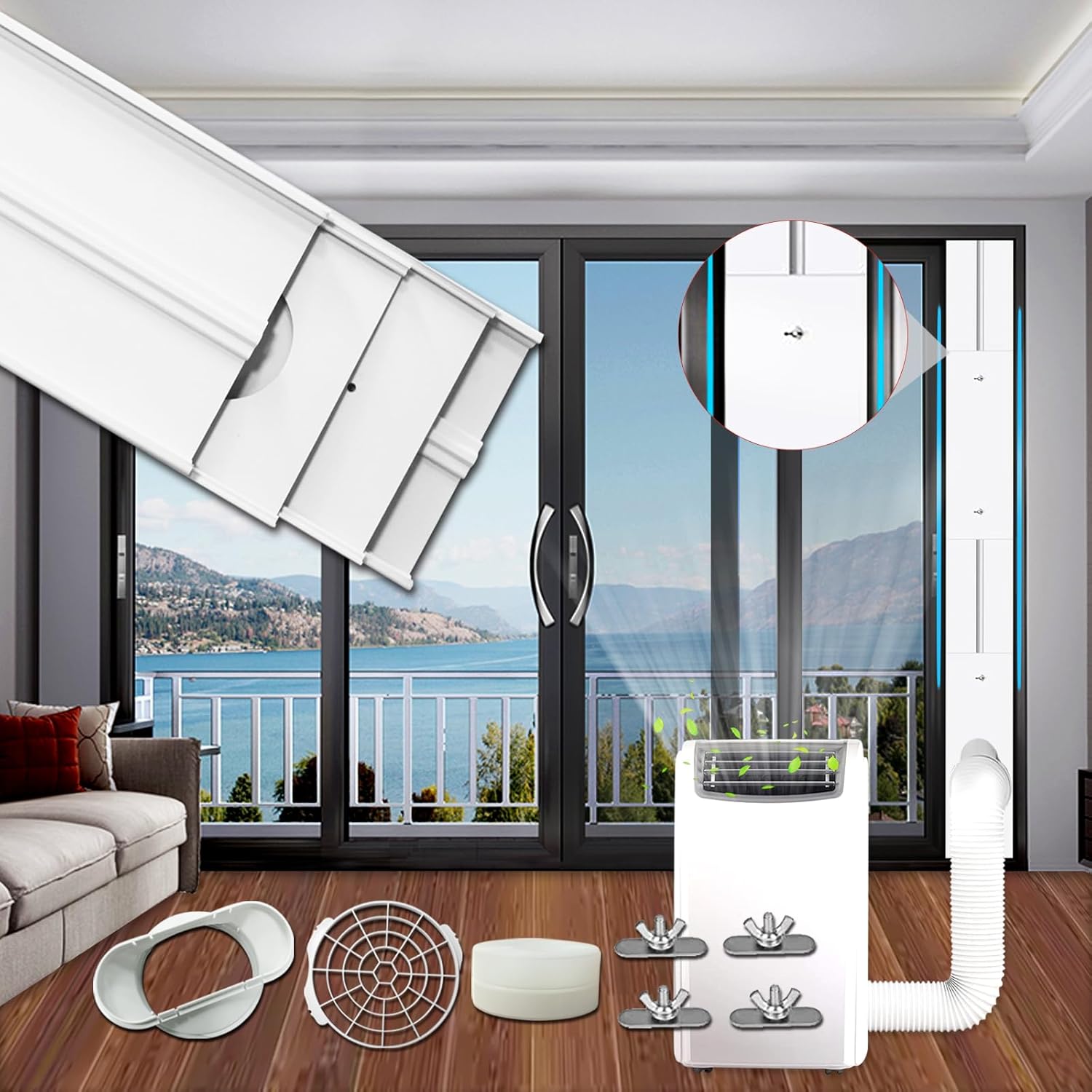
Think of it like this: you can't have cold without getting rid of heat. This hot, humid air needs to go somewhere, right? Otherwise, your room would just get hotter! That’s where the window comes in. Most portable ACs come with an exhaust hose that you connect to a window kit, allowing that hot air to be expelled outside. This is the crucial step for any true refrigerant-based AC unit. No vent, no heat rejection, no real cooling.
So, the vast majority of units marketed as "portable air conditioners" – the ones that actually use a refrigerant cycle like your car or home AC – absolutely need a way to vent hot air out. Whether it's a window, a sliding door, a wall vent, or even a dryer vent (with some serious precautions and adapters!), that exhaust hose has to go somewhere exterior.

The Plot Twist: The "Windowless" Contenders
Now, you might be thinking, "But I've seen things advertised as windowless!" And you're not wrong... but there's a catch, or rather, a different kind of device usually at play.
1. Evaporative Coolers (aka Swamp Coolers)
This is often where the confusion lies. An evaporative cooler is not an air conditioner in the traditional sense. It doesn't use refrigerant. Instead, it cools air by passing it over water-soaked pads. As the water evaporates, it draws heat from the air, making it cooler. Think of the refreshing feeling you get stepping out of a shower. That's evaporation at work!
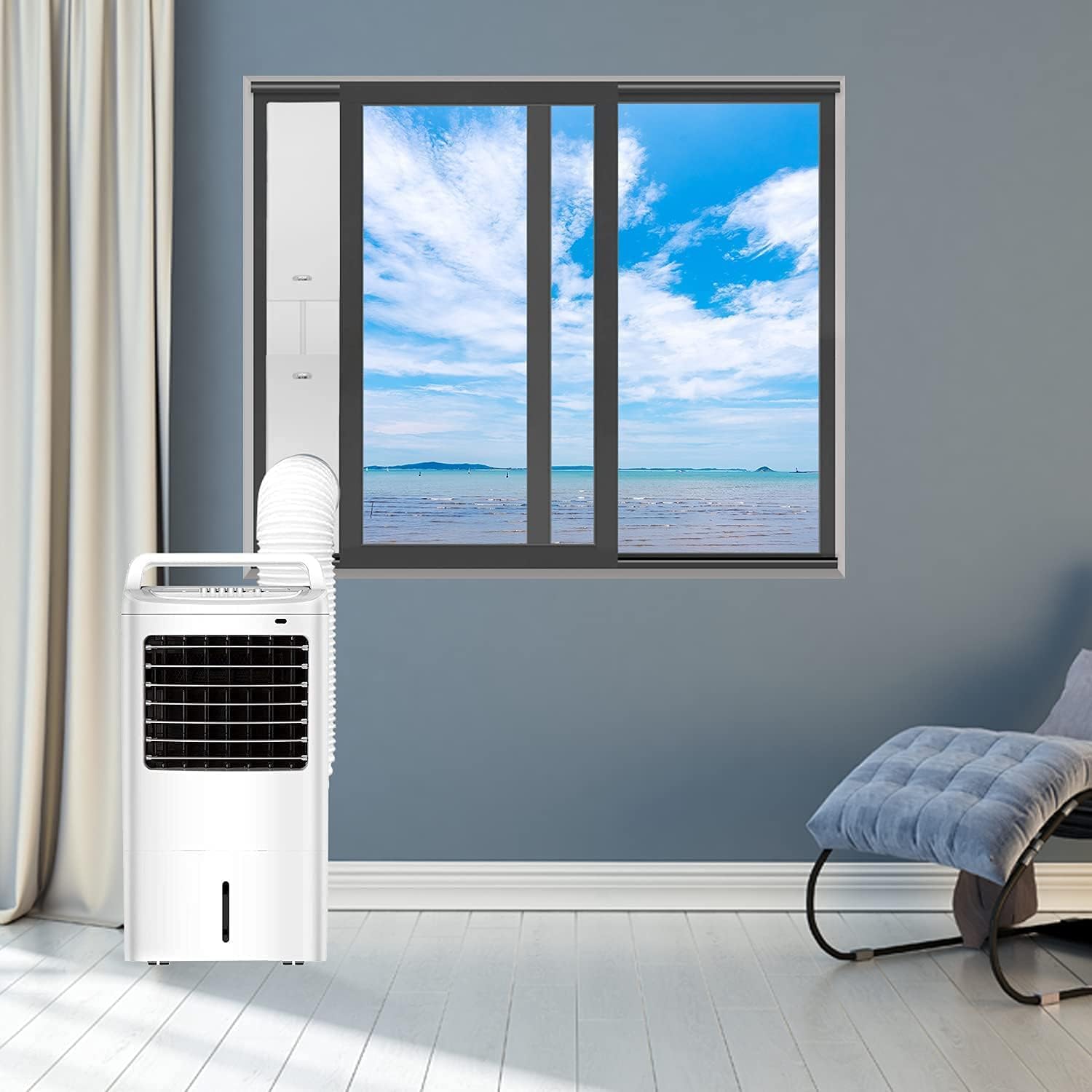
Do these need a window? No, they don't need to vent hot air. In fact, they work best in dry climates and with a window open to allow for good airflow and prevent humidity buildup. The big downside? In humid environments, they can actually make your room feel more sticky and uncomfortable. They also don't cool nearly as effectively as a true AC.
So, if you see a "portable cooler" that claims to be windowless, double-check if it’s an evaporative cooler. It’s a totally different beast, and while effective in the right conditions, it’s not going to give you that crisp, dry AC chill.
2. The Myth of the "Ventless Portable AC" (True ACs)
Let's be blunt here: as of today, a truly ventless refrigerant-based portable air conditioner that can effectively cool a room without expelling hot air somewhere does not exist for consumer use. If a device claims to be a true AC and completely ventless, be very, very skeptical. It's likely an evaporative cooler misrepresented, or it simply won't work as advertised.
You might hear about "self-evaporating" portable ACs. These units are pretty cool because they re-evaporate most of the condensate (water collected from humidity) back out through the exhaust hose. This means you don't have to empty a water tank as often (or ever, for some!). But here’s the crucial part: they still have an exhaust hose for the hot air, meaning they still need a window or vent! They just manage water more efficiently.
So, What's the Verdict?
To sum it all up, my friend:
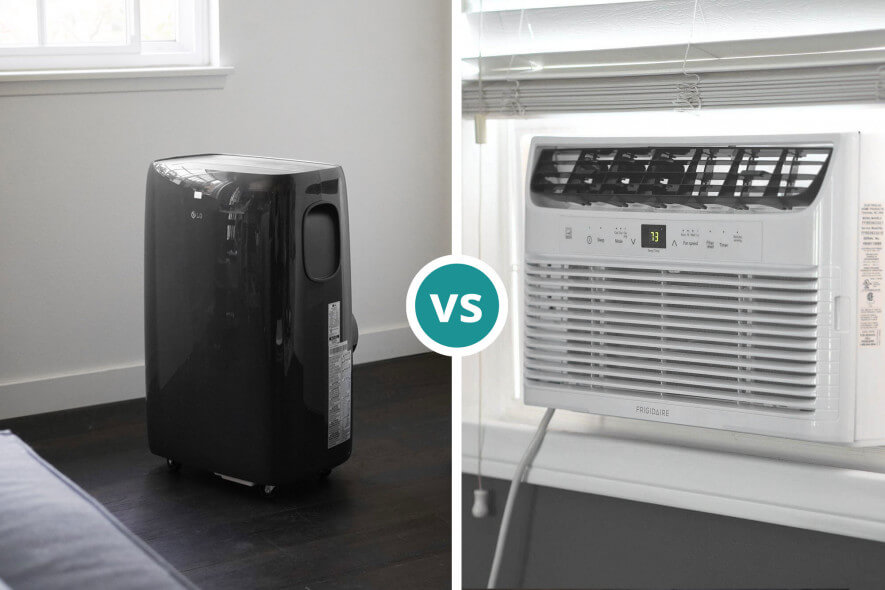
- If you want a genuine, refrigerant-based portable air conditioner that will truly cool and dehumidify your room, then yes, it absolutely needs a way to vent hot air out of your space. Usually, this means a window.
- If you're looking at a "windowless" or "ventless" portable cooling device, it's almost certainly an evaporative cooler. These are great in very dry climates but won't give you the same powerful, dry cooling as an AC.
Always, always, always read the product specifications carefully! Look for terms like "BTU" (British Thermal Units), "refrigerant," and check for information about exhaust hoses and window kits. That's your biggest clue. Don’t get fooled by clever marketing that blurs the lines between different types of cooling devices.
So, next time you're dreaming of a frosty haven, remember: most portable ACs are ready to cool you down, but they're bringing a friend – that exhaust hose – and that friend needs a way out!