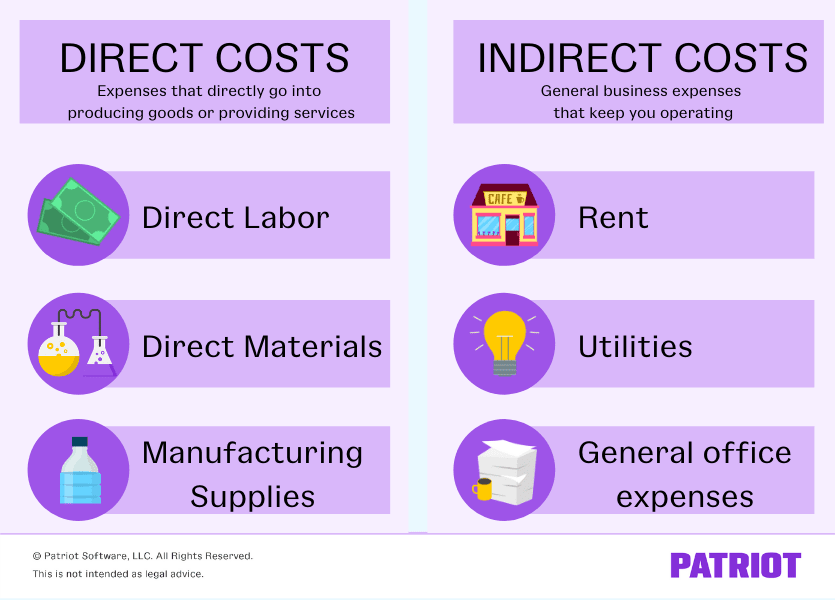
Distinguish Between Direct Costs And Indirect Cost
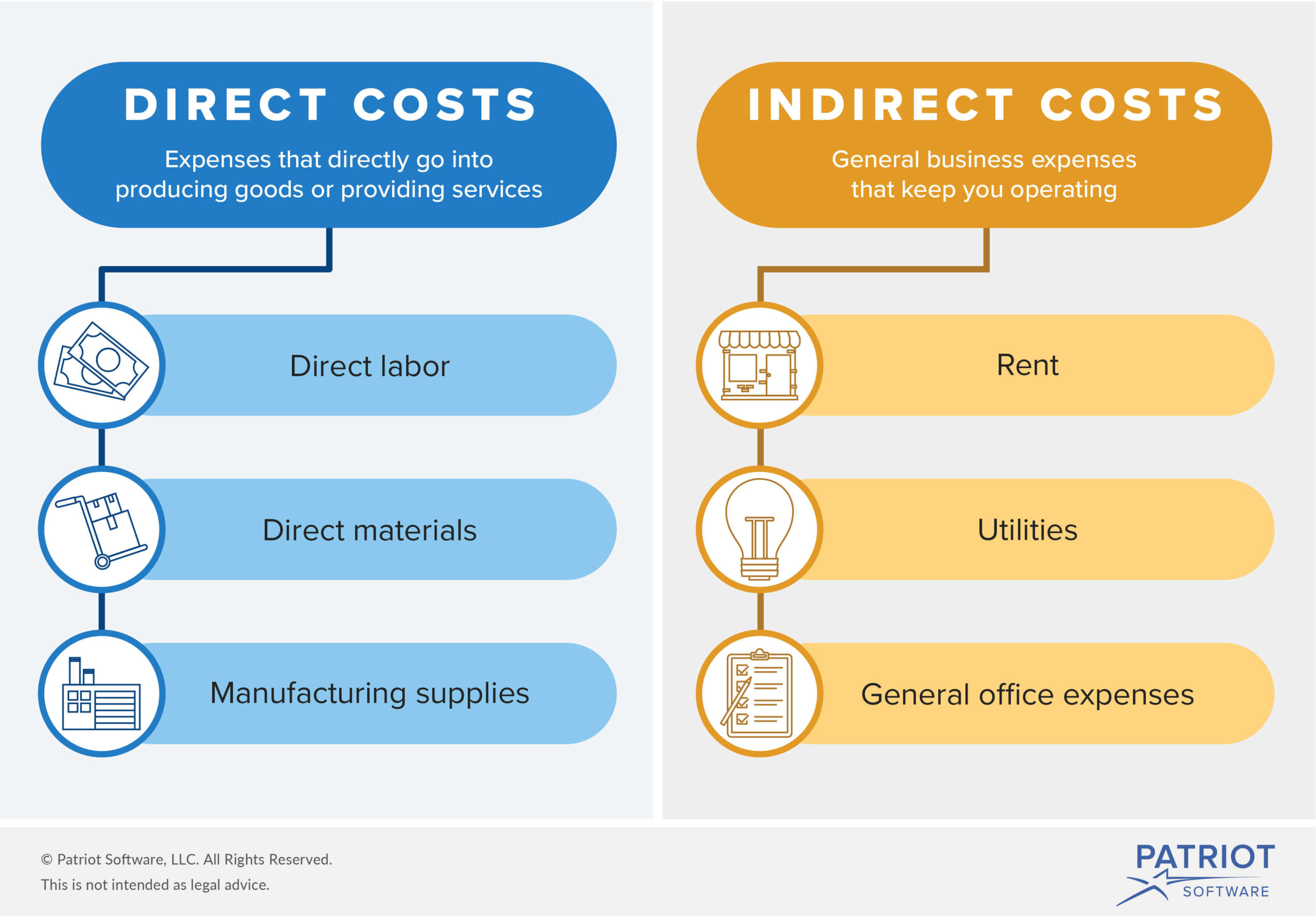
Okay, so let's talk about money stuff. I know, I know, it can sound like watching paint dry. But trust me, understanding the difference between direct costs and indirect costs is actually pretty useful in everyday life. And we'll make it painless, I promise!
Think of it Like Baking a Cake
Imagine you're baking a cake. Delicious, right? Now, what exactly goes into that cake?
The direct costs are the super obvious ingredients: flour, sugar, eggs, butter, chocolate chips (because, chocolate chips!). These are things you can directly trace back to that cake. If you didn't buy those ingredients, no cake would magically appear.
Must Read
On the other hand, the indirect costs are a bit sneakier. Think about the electricity that powered your oven. Or the wear and tear on your mixing bowl. Or even the gas you used to drive to the store to buy the ingredients! You needed these things to bake the cake, but they aren't part of the cake itself. You are using those resources for other things as well, they are not exclusive to the cake!
Direct vs. Indirect: The Easy Way to Remember
Here's the golden rule: Direct costs are easily traceable to the product or service. Indirect costs are necessary for the process but can't be easily assigned to one specific thing.
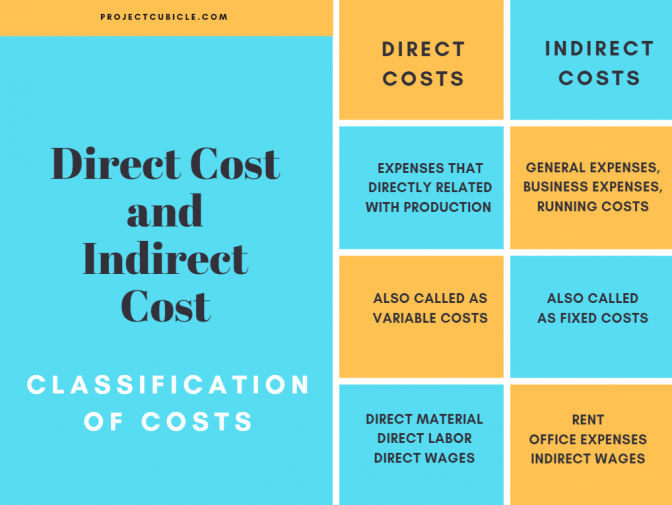
Another way to think about it: If you stopped making that cake, would you stop buying the flour? Yes. Would you stop paying your electricity bill entirely? Probably not!
Real-Life Examples Beyond Baking
Let's say you're making awesome handmade jewelry to sell at a craft fair.
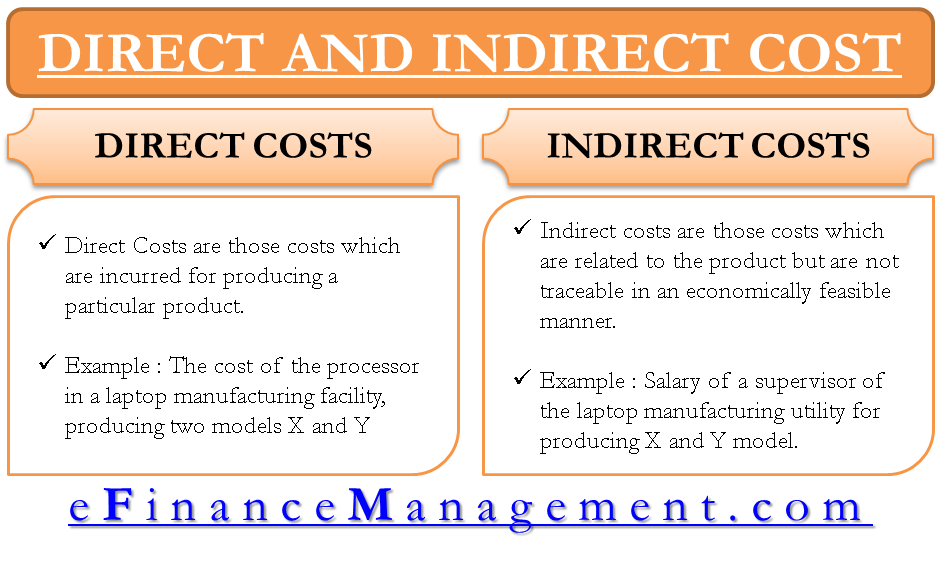
- Direct Costs: Beads, wire, clasps, those cute little charm thingies.
- Indirect Costs: Rent for your workspace (if you have one), cost of the tools like pliers and cutters (they last for many projects!), internet bill (for researching cool designs and listing your items online), and even the gas you used to get to the craft fair.
Or, consider a freelance writer working from home:
- Direct Costs: Software subscriptions specifically used for writing and editing, like Grammarly Premium.
- Indirect Costs: Home office rent (or a portion of your mortgage), utilities, laptop, office supplies (printer paper, pens, etc.).
Why Should You Even Care?
So why bother with all this cost categorization? Well, here are a few reasons, and I promise they're not as boring as they sound:
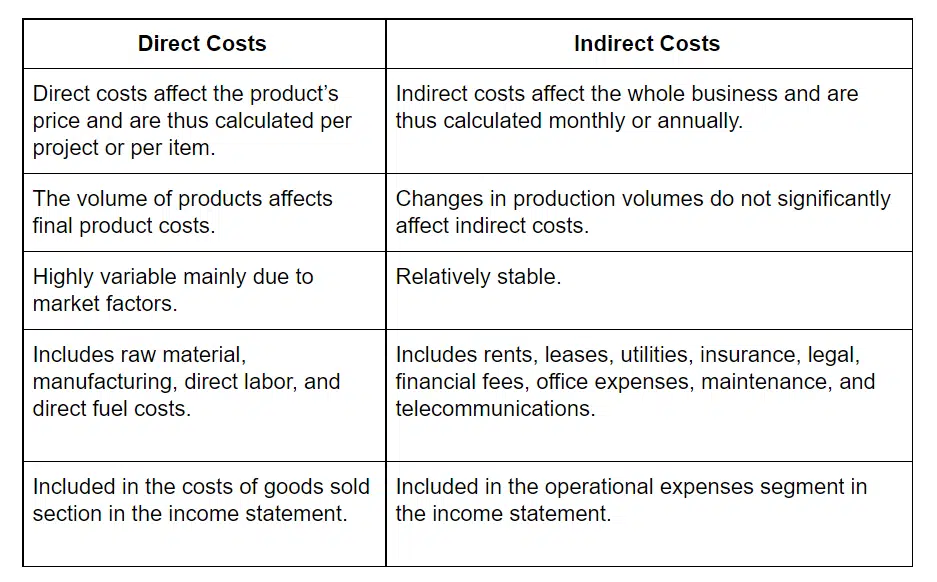
- Pricing Your Products/Services: Knowing your costs, both direct and indirect, helps you set prices that actually make you money. If you only consider the cost of beads when pricing your jewelry, you're going to be seriously undercharging and essentially working for free (or even losing money!).
- Budgeting Like a Boss: Understanding where your money is going is crucial for effective budgeting, whether you're running a business or just trying to manage your personal finances. You might discover that your "cheap" hobby is actually draining your bank account faster than you thought!
- Making Smart Decisions: If you know your indirect costs are high, you can look for ways to reduce them. Maybe you can find a cheaper workspace, switch to energy-efficient appliances, or find a more affordable internet plan.
A Little Story About Lemonade
Remember when you were a kid and set up a lemonade stand? You bought lemons and sugar (direct costs), sold lemonade, and felt like a tycoon. But you probably didn't factor in the cost of the pitcher (indirect cost) or the fact that your mom paid for the water (another sneaky indirect cost!).
Thinking about these things now can make you even savvier in your own pursuits!
The Takeaway: Be a Cost Detective!
Don't be intimidated by financial jargon. The difference between direct and indirect costs is simply about figuring out what directly contributes to something versus what's necessary for the process as a whole. It's like being a cost detective, uncovering all the hidden expenses. And once you know where your money is going, you can make smarter decisions and keep more of it in your pocket. That's something to smile about!