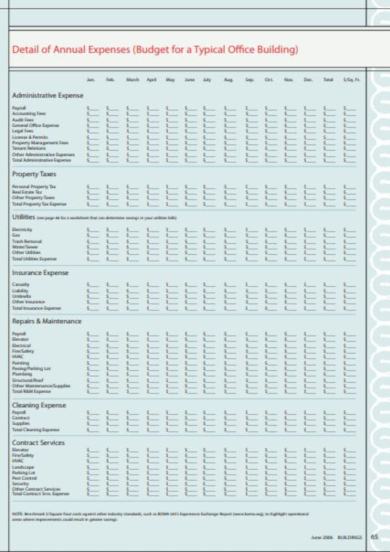
Display The Details For Just The Office Expenses

Let's talk about something that might not immediately scream "glamorous," but is absolutely essential for a smooth-running, financially healthy office: office expenses. We’re not talking brainstorming sessions fueled by artisanal coffee (though, those are delightful). We're diving into the nitty-gritty of tracking and displaying those costs in a way that's actually… helpful! Think of it as Marie Kondo-ing your finances – sparking joy by bringing order and clarity to the chaos.
Why Bother? (Beyond the Obvious)
Okay, we know, budgeting isn't exactly binge-worthy TV. But bear with us! Properly displaying office expenses isn't just about keeping the bean counters happy. It’s about making informed decisions, identifying areas for improvement, and, dare we say, even fostering a sense of transparency and shared responsibility within the team.
Think of it like knowing your daily steps. You might not be aiming for the Olympics, but tracking that number empowers you to make healthier choices. Similarly, understanding where your office dollars are going gives you the power to streamline processes and optimize spending.
Must Read
Decoding the Data: Displaying for Impact
So, how do we transform a spreadsheet of numbers into something insightful and actionable? Here are a few tips:
- Visualizations are your friends: Forget endless rows and columns. Embrace charts, graphs, and dashboards. A well-designed pie chart showing the breakdown of expenses (rent, utilities, supplies, etc.) can be surprisingly engaging. Think of it as turning your data into a modern art piece… a financially responsible one, that is.
- Segment and Conquer: Break down expenses by department, project, or even employee. This allows you to pinpoint specific areas where costs are higher than expected. Is marketing spending more on stationery than design? Time to investigate!
- Context is King: Don't just present the numbers in isolation. Compare them to previous periods (month-over-month, year-over-year) or industry benchmarks. Is your office supply budget significantly higher than comparable companies? That's a red flag.
- Choose the Right Platform: There are countless tools available, from simple spreadsheets to sophisticated accounting software. The key is to find a platform that fits your needs and skill level. Cloud-based options like Xero, QuickBooks Online, and even Google Sheets offer excellent collaboration features.
- Regular Reviews: Schedule regular reviews of your expense data. This isn't a "set it and forget it" situation. Use these reviews to identify trends, adjust your budget, and make informed decisions about future spending.
Keeping it Real (and Readable)
Let's face it, financial jargon can be drier than a week-old croissant. Avoid overly technical language and use plain English. Explain what the numbers mean in a way that everyone can understand. Remember, you're trying to communicate information, not impress anyone with your accounting prowess.

Think about how news organizations use infographics to simplify complex topics. Apply the same principle to your office expense reporting.
Tips for Taming the Paper Tiger
One of the biggest challenges is simply gathering the data in the first place. Here are a few tips to streamline the process:
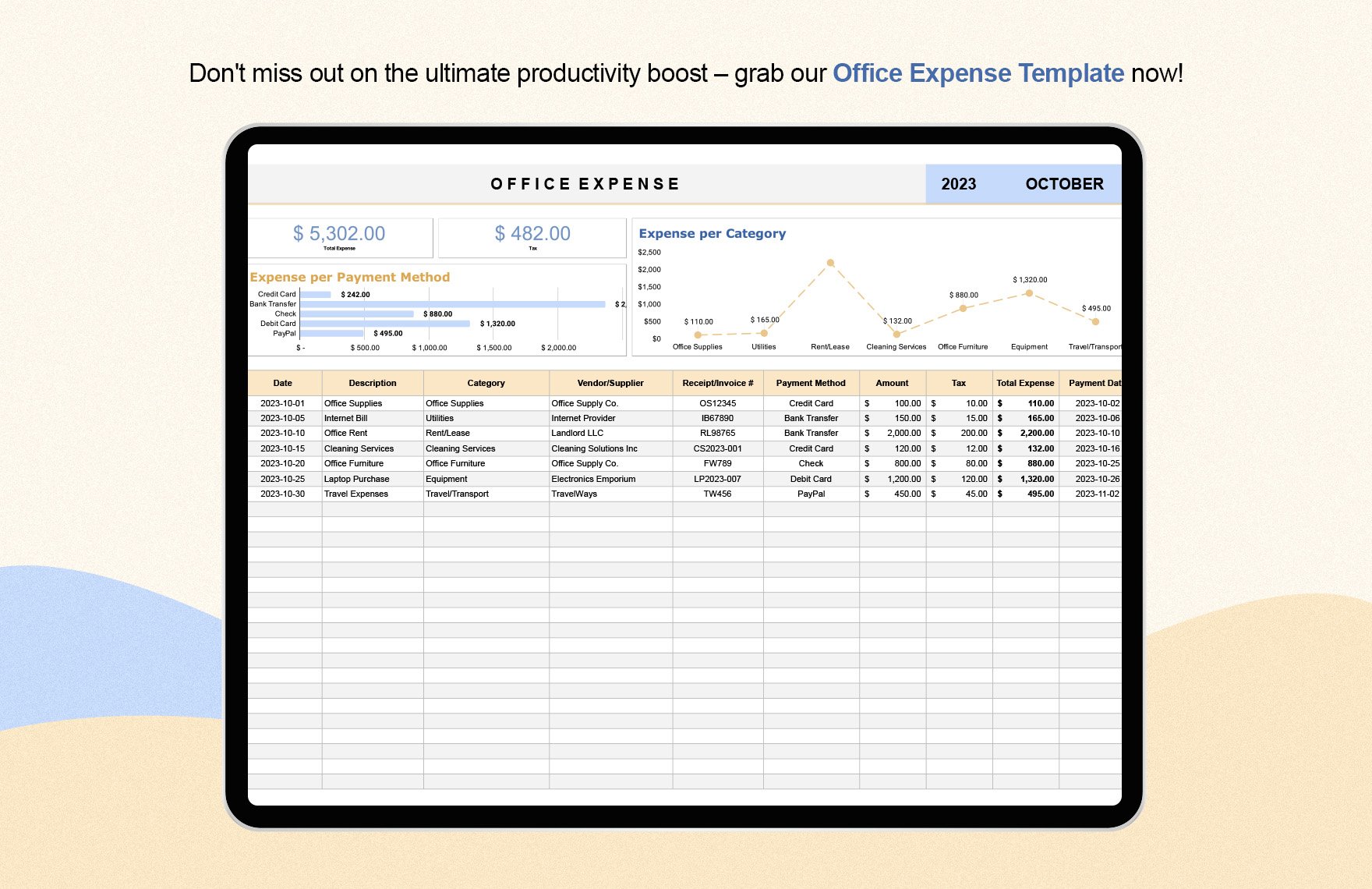
- Embrace Digital Receipts: Say goodbye to shoeboxes overflowing with paper receipts. Encourage employees to use expense tracking apps that can automatically scan and categorize receipts.
- Automate Where Possible: Integrate your expense tracking software with your accounting system to automate data entry and reconciliation.
- Establish Clear Policies: Develop clear policies regarding expense reimbursement and reporting. This will help to minimize errors and ensure that everyone is on the same page.
- Lead by Example: As a manager or business owner, model good expense tracking habits yourself. Your employees will follow suit.
Beyond the Bottom Line: The Human Element
Remember, behind every number is a person. Be mindful of the impact that cost-cutting measures can have on your employees. Instead of simply slashing budgets, focus on finding creative ways to reduce expenses without sacrificing employee morale. Could you negotiate better deals with suppliers? Switch to more energy-efficient lighting? Encourage employees to bring their own reusable coffee cups?
Think of it like this: a happy and engaged workforce is often more productive, which can ultimately save you money in the long run.
A Little Perspective
Tracking and displaying office expenses might seem like a small detail, but it's a crucial part of running a successful business. It's about more than just saving money; it's about making informed decisions, fostering transparency, and empowering your team to work together towards a common goal. By taking the time to do it right, you can create a more efficient, financially healthy, and ultimately, more enjoyable work environment. It's a bit like tidying up your desk – a small act that can have a surprisingly positive impact on your day.