Disadvantages And Advantages Of Coal Energy
Okay, let's talk about coal! Yeah, I know, maybe not the most exciting topic at first glance. But trust me, understanding coal energy – its ups and downs – is actually pretty important. Think of it like knowing the ingredients in your favorite guilty-pleasure snack. You might not want to know everything, but a little knowledge goes a long way! So, let's dive into the world of coal, making it as painless (and maybe even a little fun) as possible.
The Good Stuff: Coal's Advantages
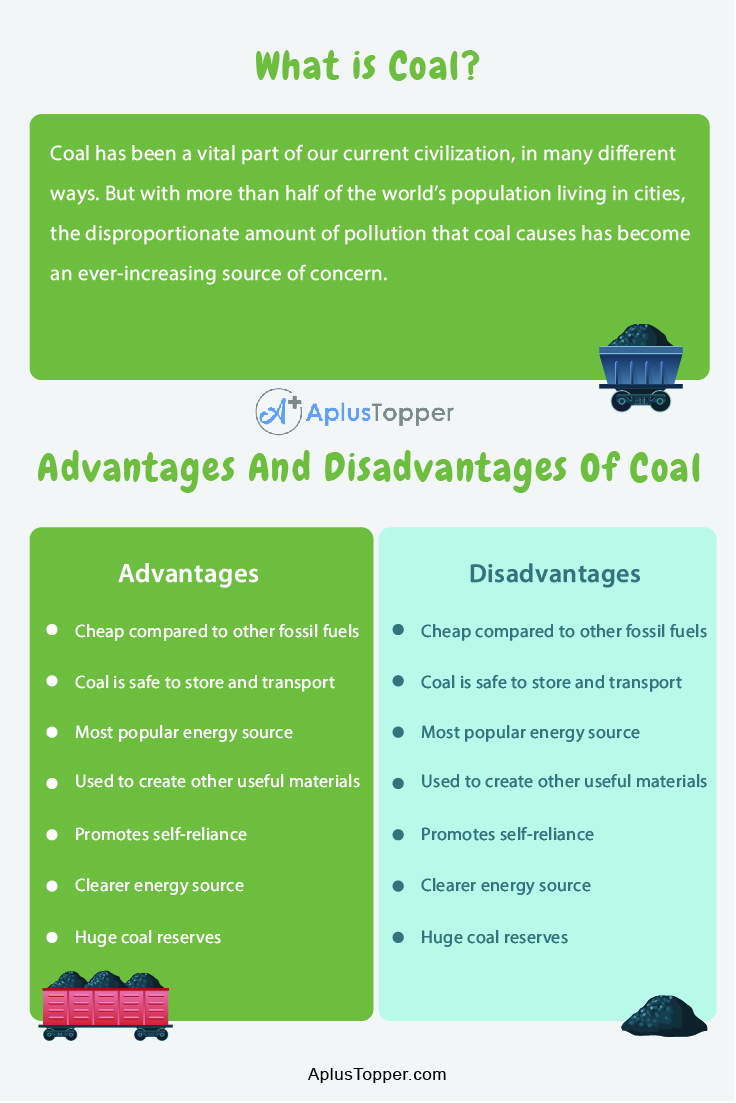
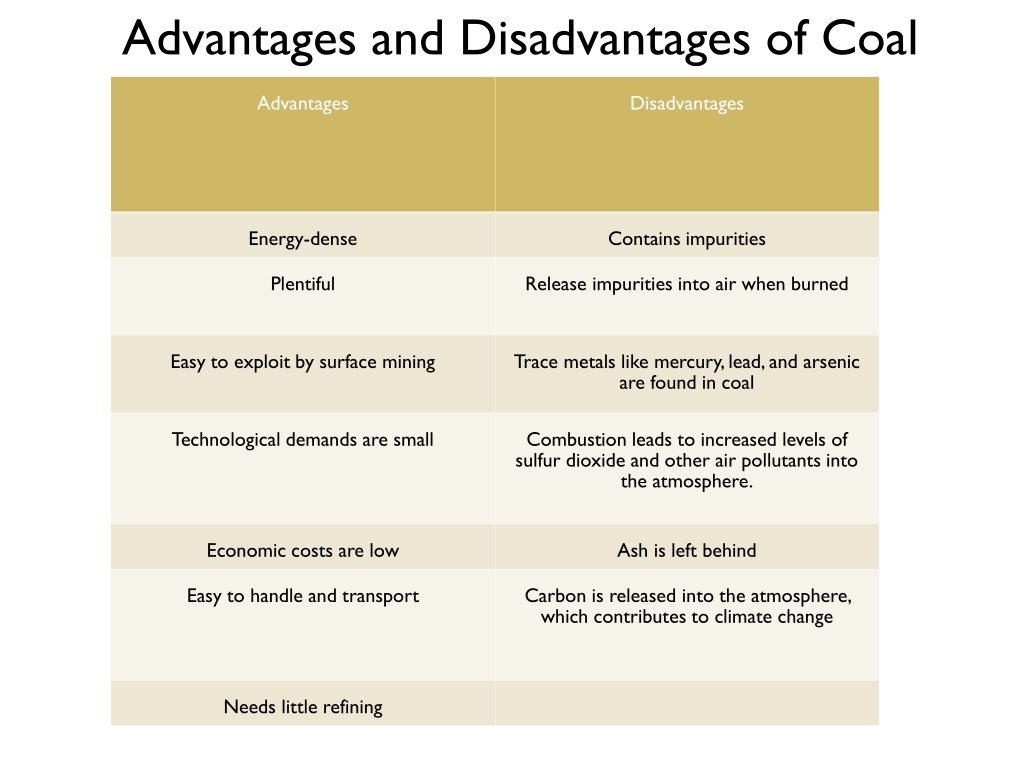
First, let's talk about why we even bother with coal. It's not like we woke up one day and said, "Hey, let's dig up a bunch of black rocks and burn them!" There are actually some compelling reasons why coal became a major energy source.
It's Abundant and Affordable: Imagine you're planning a big birthday party. You need balloons, streamers, cake… and energy! Coal is like the budget-friendly party supply store of the energy world. We have tons of it! This abundance makes it relatively cheap to mine and use. Think of it as the difference between buying a bouquet of locally grown wildflowers versus importing exotic orchids. One is far more accessible and doesn't break the bank.
Must Read
Reliable and Consistent Power: Ever tried relying on the sun to charge your phone on a cloudy day? Frustrating, right? Coal, unlike solar or wind power, is pretty darn reliable. Coal-fired power plants can run 24/7, regardless of the weather. They're like that dependable friend who always shows up when you need them. They provide a consistent base load of electricity, keeping the lights on and your Netflix streaming.
Creates Jobs: Mining and transporting coal creates jobs, especially in certain regions. These are often well-paying jobs that support families and communities. It's like the local bakery providing employment for the town – it has a significant economic impact.

Established Infrastructure: We've been using coal for a long time, so we have a well-established infrastructure for mining, transporting, and burning it. This means we don't have to build everything from scratch, which can save time and money. Think of it like having a perfectly functioning kitchen already set up – you can start cooking right away!
The Not-So-Good Stuff: Coal's Disadvantages
Alright, now for the less pleasant side of the coal story. Like that delicious snack with a ton of sugar, coal has some significant drawbacks.
It's a Major Polluter: This is the big one. Burning coal releases a lot of harmful pollutants into the air, including greenhouse gases like carbon dioxide, which contribute to climate change. Think of it like smoking – it's bad for your health, and it's bad for the planet's health. Coal is a major contributor to air pollution and global warming. Ever seen those hazy skies over some cities? Coal (and other fossil fuels) often play a big role.
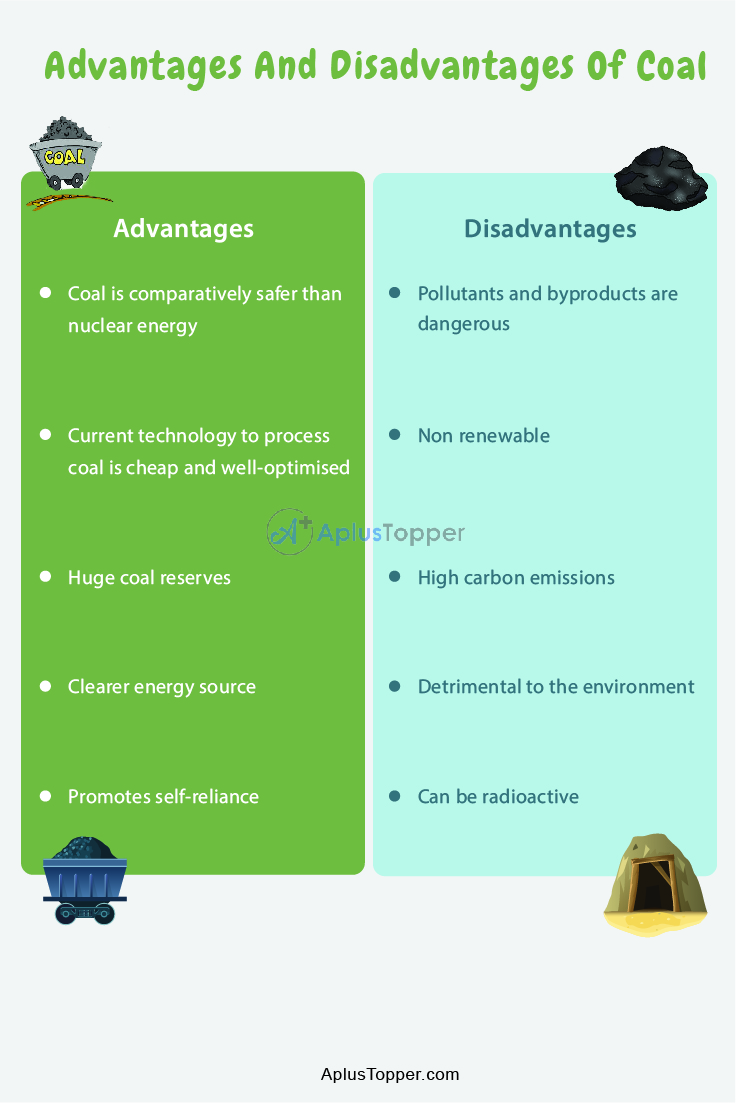
It Causes Health Problems: The air pollution from coal can cause respiratory problems, heart disease, and other health issues. It's like living next to a busy highway – all the fumes can take a toll on your health. Coal mining can also be dangerous, with miners facing risks of accidents and lung disease. It's a serious occupational hazard.
Environmental Damage: Mining coal can devastate landscapes, destroying forests, polluting rivers, and disrupting ecosystems. Imagine turning a beautiful park into a giant hole in the ground. That's what coal mining can do if not managed carefully. It's important to remember the environmental impact.
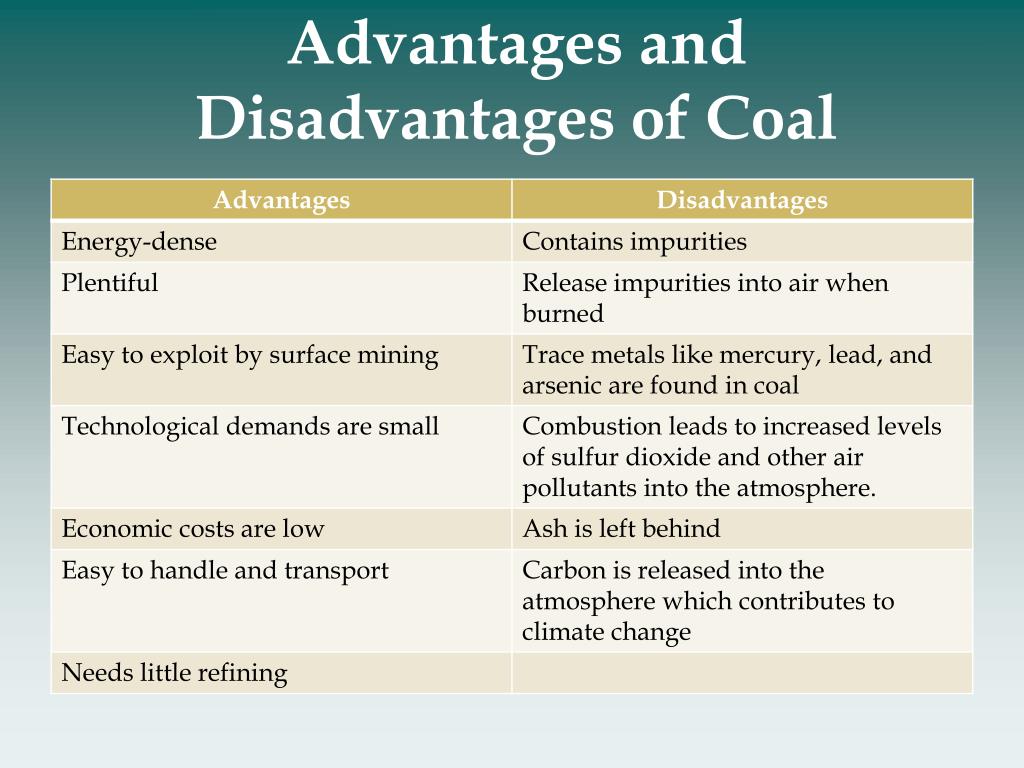
Ash Disposal: Burning coal leaves behind ash, which needs to be disposed of properly. This ash can contain heavy metals and other toxic substances that can pollute soil and water if not handled carefully. It's like cleaning up after a messy art project – you have to be careful where you put the paint-covered rags.
Why Should You Care?
So, why should you, a busy person with better things to do, care about all this coal stuff? Well, because it affects you! The air you breathe, the climate you live in, the cost of your electricity – all of these are influenced by how we use coal. Making informed decisions about energy is crucial for a healthy planet and a healthy future.
Think about it: choosing renewable energy options, advocating for cleaner air policies, and simply being aware of your energy consumption can make a difference. It's like choosing to bike to work instead of driving – it's a small change that can have a big impact. So, the next time you flip a light switch, remember the story of coal – the good, the bad, and the reasons why it matters to you.