Digital X Ray Vs Normal X Ray
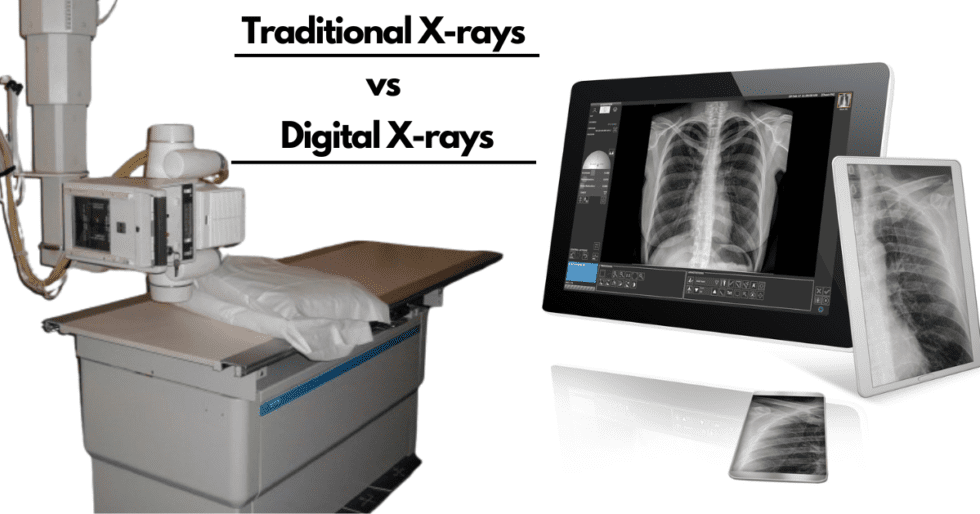
Alright, gather 'round, folks! Let's talk about something a little bit... zappy. You know, those times you visit the doctor and they say, "We need to get some pictures inside you." Yep, we're talking about X-rays. For ages, they've been our go-to for peeking at our inner workings without actually, well, peeking. But like everything else, X-rays have gone through their own big glow-up. We used to have the normal, old-fashioned kind. Now, it's all about Digital X-rays. And while everyone's busy cheering for the shiny new tech, I've got a little confession. Call it an unpopular opinion, but sometimes, I miss the good old days.
The Classic Contender: Normal X-Ray
Remember those? You'd lie still, the big machine would whir and click, and then... nothing for a bit. The magic, you see, happened behind a closed door. In a special, dim room called the darkroom. Someone, usually a very calm technician, would disappear with your film. It felt a bit like a secret laboratory experiment, didn't it?
"The anticipation was part of the charm. You knew a real, tangible photo of your insides was being cooked up."
Then, after a little while, they'd emerge, often with a large, glossy sheet. It wasn't on a computer screen. It was a proper, see-it-with-your-own-eyes photograph. You could hold it up to the light. You could point to your wonky collarbone or that tiny hairline fracture. There was a certain satisfaction in that physical proof. It felt solid. Real. It had a bit of grain to it, a subtle texture that just screamed "this is your actual bone, captured on film!"
Must Read
Plus, let's be honest, the whole process had a bit of mystique. The smell of the chemicals, the red light glow. It was a whole sensory experience that modern tech sometimes skips over. It felt like an art form, really, capturing your skeleton's portrait.
The New Kid on the Block: Digital X-Ray
Now, step into the future! With Digital X-rays, the whir and click are still there, but everything else is different. The image of your internal structure pops up almost instantaneously on a computer screen. No darkroom. No chemicals. No waiting for film to develop. It's super fast. Super efficient. And yes, probably better for the environment because there are fewer chemicals involved. Hurray for progress!
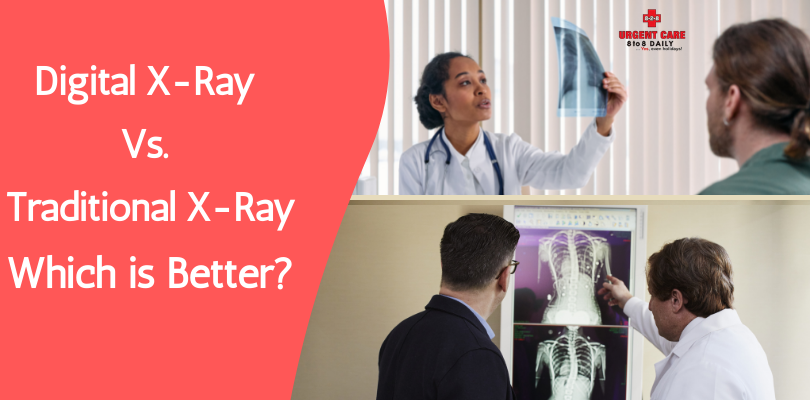
The doctors can zoom in. They can lighten, darken, contrast. They can twist and turn your image. It's all very clever, very high-tech. And theoretically, it means a clearer picture for diagnosing tiny issues. Fewer repeat X-rays too, which is always a bonus when you're talking about radiation exposure.
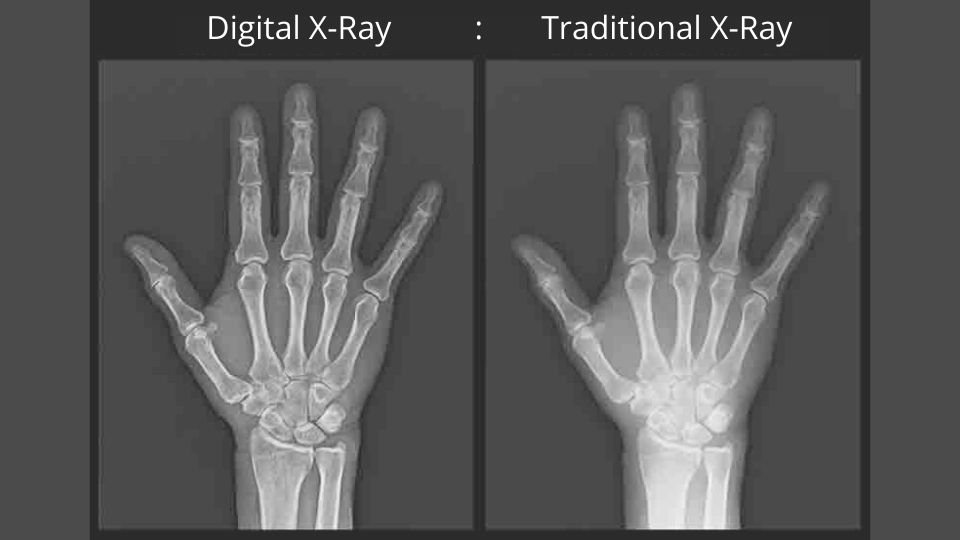
"It's like comparing a high-res photo on your phone to a classic printed photograph. Both are good, but they offer a different 'feel'."
But here's where my "unpopular opinion" really kicks in. While all that digital wizardry is undoubtedly smart, does it have the same... soul? The same reassuring weight? When I see my bones on a screen, all shiny and perfect, a little part of me wonders if it's almost too perfect. Like it could be Photoshopped! (I know, I know, it's not, but bear with me here.)
The Great X-Ray Showdown: Why I'm a Bit Old-School
With a normal X-ray, what you saw was, well, what you got. A direct imprint of energy onto film. There was something wonderfully analog about it. It felt less like data and more like a discovery. You were seeing a moment, frozen.
With Digital X-rays, it's all about pixels. And while pixels are brilliant for clarity, they can sometimes feel a bit... cold. It's a digital representation, not a tangible object. It’s like streaming a classic movie versus holding the actual DVD or even a VHS tape. One is convenient and high-quality, the other has that undeniable sense of history and presence.
My point isn't that Digital X-rays are bad – far from it! They're fantastic for speed, for sharing images quickly between hospitals, and for reducing waste. But there's a certain magic lost, isn't there? That moment of holding up your bone film, slightly transparent, feeling like you're holding a secret map to yourself. It was a physical connection to your own skeleton.
So, next time you're getting an X-ray, and your skeletal structure flashes up on a bright screen, take a moment. Appreciate the speed and the clarity. But maybe, just maybe, spare a whimsical thought for the humble film X-ray. The one that took its sweet time, developed its secrets in the dark, and gave you a proper, tangible photo to remember your bones by. Sometimes, the old school ways have a charm that even the most advanced new school tech just can't quite replicate.