Different Types Of Weather Stripping For Doors

Okay, so picture this: it's the dead of winter, and I'm sitting on my couch, wrapped in a blanket burrito, trying to watch a movie. But every five minutes, a gust of icy wind sneaks in under the front door, making me shiver. I swear, I could practically see the dollar bills flying out with it! "There has to be a better way," I mumbled to my cat, Mittens, who, naturally, was unconcerned and fast asleep. (Cats, am I right?). That's when I started my deep dive into the wonderful world of weather stripping.
Turns out, that little gap under (or around!) your door is a superhighway for energy loss, and properly installed weather stripping is your toll booth. But with so many options out there, choosing the right type can feel overwhelming. Don't worry; we're in this together! Let's break down the different kinds of weather stripping for doors so you can finally banish those pesky drafts and save some serious cash. Think of it as a super-easy home improvement project that actually makes a difference.
Foam Weather Stripping: The Budget-Friendly Option
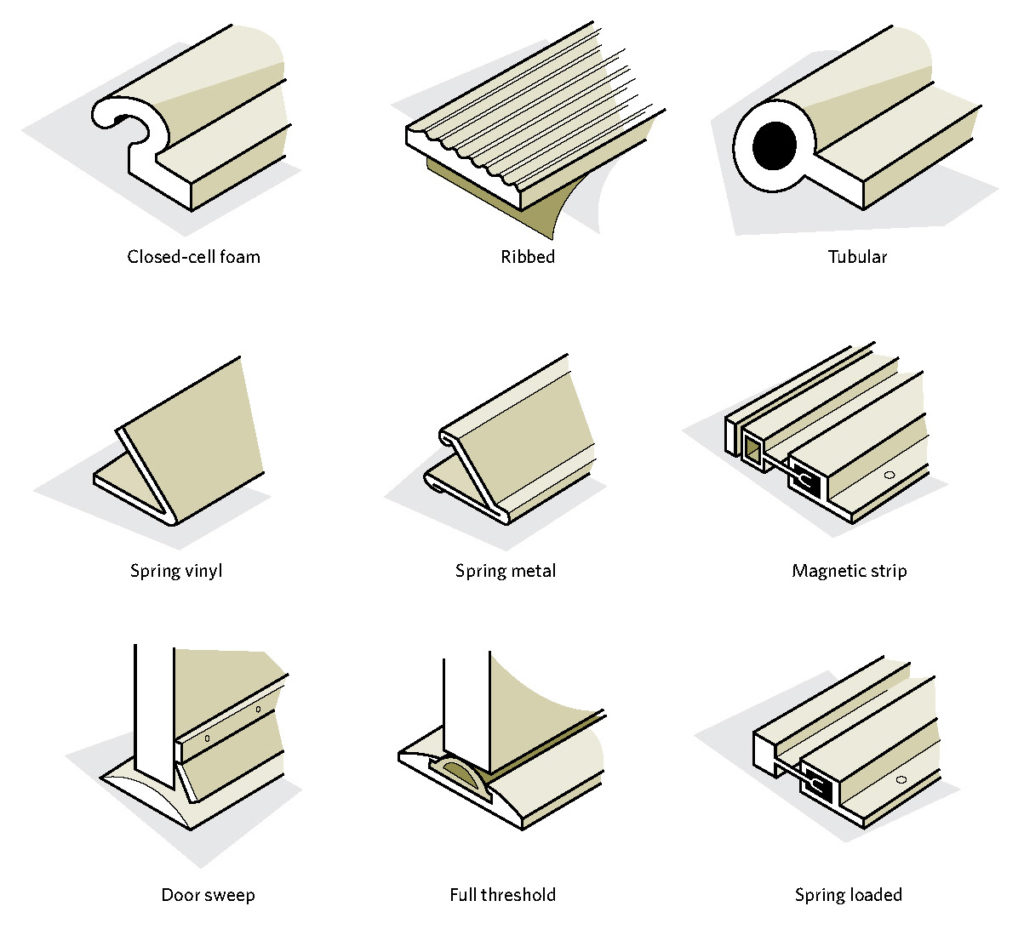
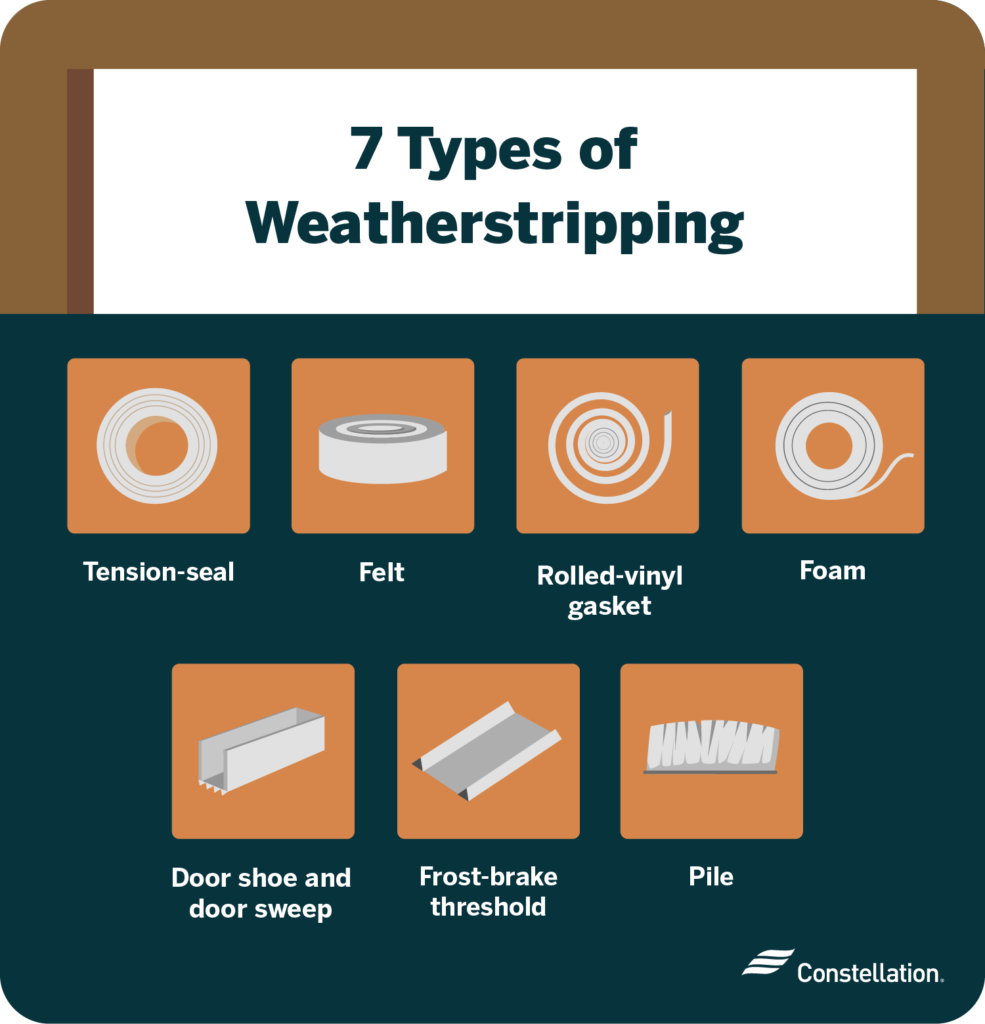
Foam weather stripping is usually the cheapest and easiest to install. It comes in strips (often adhesive-backed!) and is great for filling gaps of varying sizes. Just peel and stick! Seriously, it's that easy. But...and there's always a but...foam isn't the most durable. It can compress over time, especially with frequent door use. So, while it's a great short-term or budget-friendly solution, it's probably not a "set it and forget it" kind of deal.
Must Read
There are a few kinds of foam too. Some are open-cell, others are closed-cell. Closed-cell is better because it doesn’t absorb water. Open-cell… well, it does. You can guess what happens there. (Hint: mold and deterioration). Plus, it's super easy to cut and shape with scissors or a utility knife. Just measure, cut, and stick! Who needs a handyman when you've got scissors and a can-do attitude?
Felt Weather Stripping: Classic and Simple
Felt weather stripping is another inexpensive option, often used on older homes. It's typically sold in rolls and attached with tacks or staples. (Yep, you'll need a staple gun for this one!). While it's affordable and relatively easy to install, felt isn't the most effective at sealing out drafts. It can also wear down quickly from friction. Think of it as the "vintage" weather stripping option – charming, but not necessarily the most practical. Also, try to avoid this one where water is an issue. Wet felt isn't anyone's friend.
V-Strip Weather Stripping: Springy and Effective
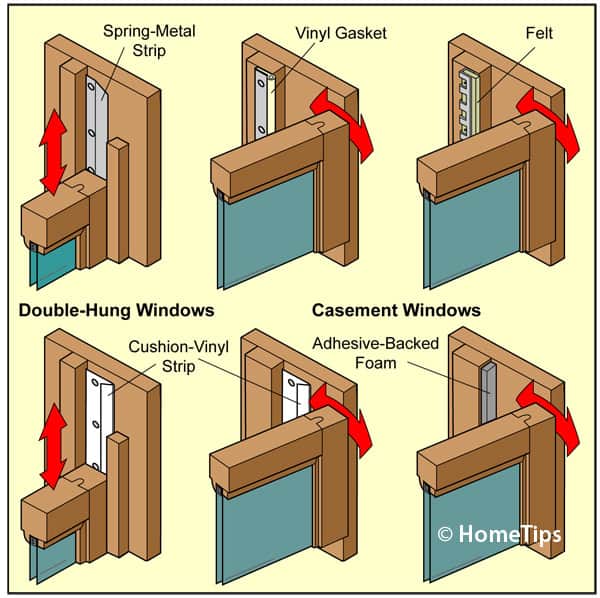
V-strip weather stripping (also known as compression weather stripping) is made of vinyl or metal and shaped like a "V." When the door closes, the "V" compresses, creating a tight seal. It's more durable than foam or felt and can handle a fair amount of friction. Installing V-strip weather stripping can be a bit trickier, often requiring nails or screws. It's a good option for doors with consistent gaps and those that get a lot of use.
These are good because they expand and contract depending on the weather. Definitely worth looking into this if your door is older and maybe shifts with the seasons.
Door Sweeps: Sealing the Bottom
Door sweeps are specifically designed to seal the gap at the bottom of your door. They come in various materials, including vinyl, rubber, and metal, and attach to the bottom of the door. Some door sweeps are adjustable, allowing you to customize the seal to your specific door. (Handy if your floor isn't perfectly level!). Door sweeps are a must-have for preventing drafts and keeping out insects and dust. Plus, they help muffle sound! Bonus!
Interlocking Metal Weather Stripping: The High-End Option
Interlocking metal weather stripping is the most expensive and durable option. It consists of two interlocking metal strips that create an airtight seal when the door is closed. Installation requires a high degree of precision and is best left to a professional. However, interlocking metal weather stripping offers superior performance and can last for decades. If you're looking for a long-term solution and have the budget, this is the way to go.
Think of this as the "Cadillac" of weather stripping. It's not cheap, but it’s built to last. This is for people who are serious about saving energy (and maybe a little bit fancy).
So, there you have it – a rundown of the different types of weather stripping for doors. The best option for you will depend on your budget, the size and shape of the gaps around your door, and your DIY skills. But hey, even a little bit of weather stripping is better than none! Good luck banishing those drafts and creating a cozier, more energy-efficient home! And tell Mittens I said hi. (Although, she probably still won’t care).