
Different Types Of Filament For 3d Printers

Hey there, fellow maker! Ever thought about what makes those cool 3D prints, well, 3D?
It's all about the filament, baby! This isn’t your grandma's yarn. It's high-tech plastic spaghetti, ready to be melted and molded into… pretty much anything.
PLA: The Friendly Beginner
First up, we've got PLA (Polylactic Acid). Think of it as the nice guy of the 3D printing world. It’s made from stuff like corn starch or sugarcane. Environmentally conscious? Absolutely!
Must Read
It's super easy to print with. Less warping, less fuss. Perfect for beginners!
Fun fact: PLA smells faintly sweet when it prints. Some say it’s like pancakes! (Don't try to eat it though.)
It's great for prototypes, toys, and decorative items. But heads up! It’s not super strong and doesn't love heat. Leave a PLA print in a hot car? Meltdown alert!
ABS: The Tough Cookie
Next, meet ABS (Acrylonitrile Butadiene Styrene). This stuff is tougher than PLA. Think LEGO bricks!
It's more durable and heat-resistant. Perfect for parts that need to withstand some wear and tear. Imagine gears, phone cases, or anything that lives outdoors.

Printing with ABS is a bit trickier. It likes to warp and needs a heated bed. Plus, it releases fumes some people find unpleasant. Think of it as the rebellious teen of the filament family. Ventilation is your friend!
Quirky tidbit: ABS is oil-based, so it's less eco-friendly than PLA. But it’s been around forever and is a workhorse material.
PETG: The Best of Both Worlds
Enter PETG (Polyethylene Terephthalate Glycol-modified). A mouthful, right? Don't worry about the name. Just know it's like PLA and ABS had a baby. You get a material that’s relatively easy to print and reasonably strong.
It’s water-resistant, food-safe (check specific filament certifications!), and has good impact resistance. Water bottles? Kitchen gadgets? PETG's got you covered.
PETG can be a bit stringy sometimes. Dial in those settings! But overall, it's a fantastic all-around filament.

Nylon: The Flexible Flyer
Time for something a little more… specialized. Nylon. This stuff is strong, flexible, and wear-resistant. Think gears, hinges, or anything that needs to bend without breaking.
Nylon is hygroscopic. That means it loves to absorb moisture from the air. Keep it dry! A filament dryer is your best friend here.
Printing with nylon can be challenging. But the results are worth it. You get incredibly durable parts. Like, seriously durable.
Fun fact: Nylon is used in everything from clothing to car parts. Versatile, right?
TPU/Flexible Filaments: The Bendy Buddy
Want to print something squishy? Then you need TPU (Thermoplastic Polyurethane) or other flexible filaments. Think phone cases, gaskets, or anything that needs to… well, flex!
Printing with flexible filaments can be a real test of patience. They tend to squish and buckle. Slow and steady wins the race!
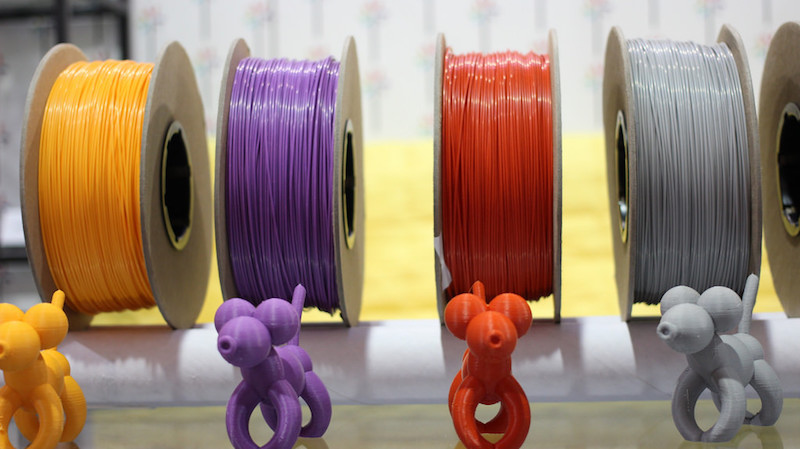
Different hardness levels are available. Some are almost rubbery, others are more rigid. Experiment and find what works for your project.
Word to the wise: Direct drive extruders are your best bet when printing flexible filaments. Bowden setups can be… frustrating.
Exotic Filaments: When You Want To Get Fancy
Ready to get wild? Then let's talk about exotic filaments. These include wood-filled, metal-filled, carbon fiber-filled, and glow-in-the-dark filaments. Prepare to be amazed!
Wood-filled filaments give your prints a wood-like appearance and texture. Sand, stain, and finish them just like real wood!
Metal-filled filaments add weight and a metallic sheen to your prints. They can even be polished for a realistic metal finish. Though these will wear your nozzle down much faster!

Carbon fiber-filled filaments add strength and rigidity. Perfect for structural parts. But they're abrasive, so use a hardened steel nozzle.
Glow-in-the-dark filaments are… well, they glow in the dark! Spooky, right?
Important note: Exotic filaments often require special nozzles and settings. Do your research before diving in!
So Many Filaments, So Little Time!
There you have it! A whirlwind tour of the wonderful world of 3D printing filaments. From humble PLA to exotic carbon fiber, there's a filament for every project.
Don't be afraid to experiment. Try different materials. Dial in your settings. And most importantly, have fun!
Now go forth and create! Your 3D printer awaits!