Different Between Three Phase And Single Phase

Ever wondered about the electricity powering your world? We usually take it for granted, but understanding the basics can be surprisingly empowering, especially when you're a creator. Today, let's unravel the mystery behind two common types: single-phase and three-phase power. While it might sound technical, grasp the key differences, and you'll gain a new appreciation for the energy that fuels your passions.
For artists, hobbyists, and anyone tinkering at home, knowing the difference between single-phase and three-phase power offers some surprising advantages. Think of it like this: understanding the nuances of different art mediums – watercolor versus oil, for instance – allows you to choose the perfect tool for the job. Similarly, knowing your power source allows you to select the right equipment, avoid overloads, and even potentially unlock more powerful creative possibilities. For example, a potter using a large electric kiln will often require three-phase power, while a hobbyist using smaller tools can easily manage with single-phase.
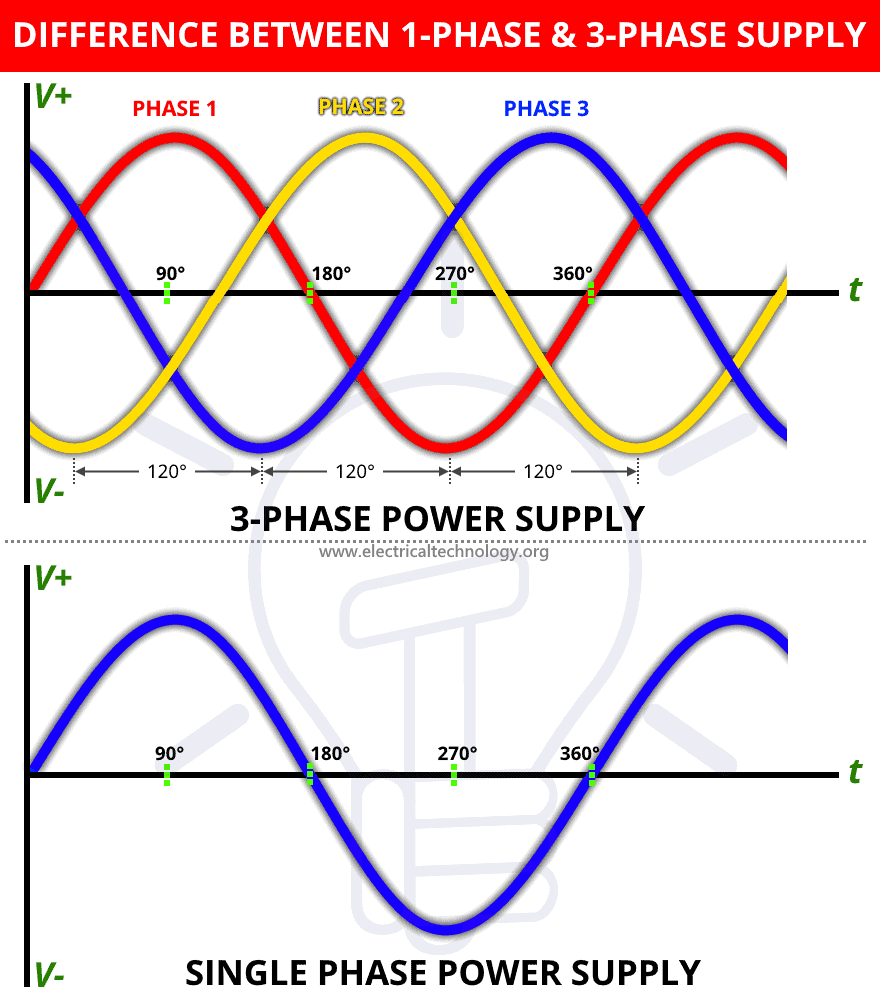
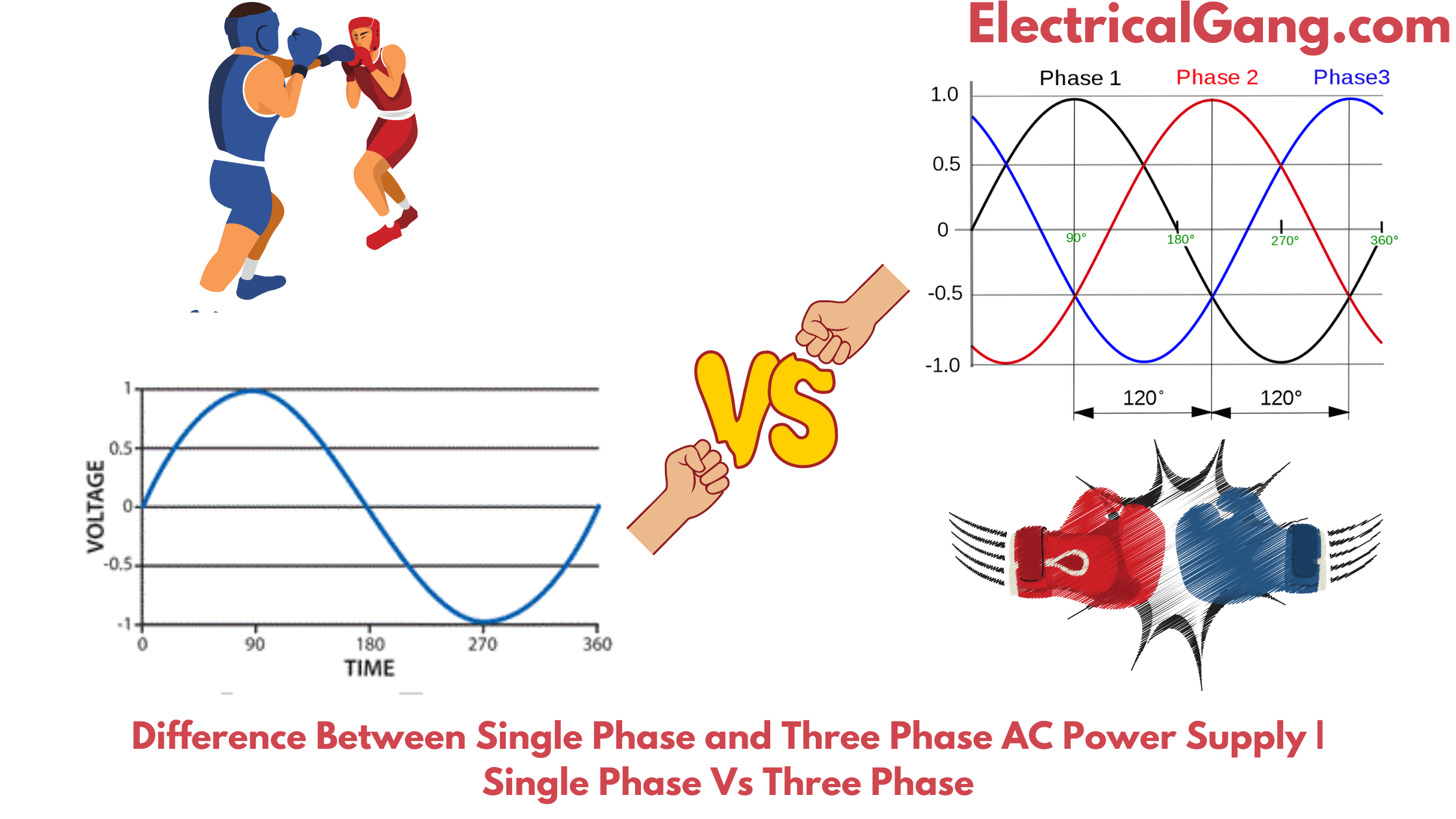
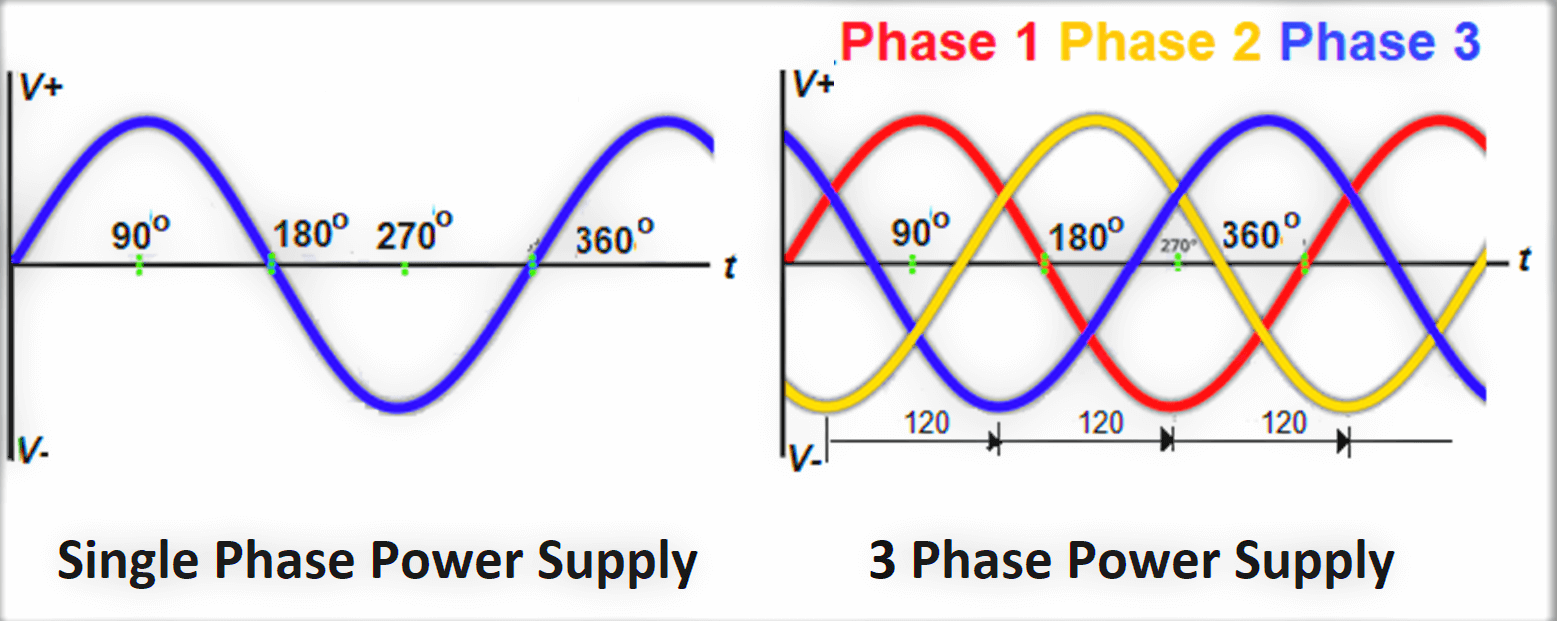
Single-phase power is what you typically find in homes. It's like a steady stream, sufficient for most household appliances and smaller power tools. Think of it powering your lamps, your laptop, or your sewing machine. Single-phase is generally more affordable for smaller applications. Three-phase power, on the other hand, is like three streams of power working together. This provides a much smoother and more powerful output, perfect for industrial machinery, large air conditioners, and, yes, those high-powered pottery kilns. The stability afforded by three-phase is what allows heavy machinery to operate so effectively.
Must Read
Let’s look at some creative applications. Imagine a metalworker needing a high-powered welding machine. A three-phase powered welder offers a more consistent arc and faster welding speeds than a single-phase equivalent. Or consider a woodworker needing a large planer or jointer; three-phase often makes them more efficient and less prone to stalling under heavy loads. Even in digital art, understanding power requirements can be helpful. High-end rendering farms often utilize three-phase power to ensure stable and rapid processing of complex graphics.
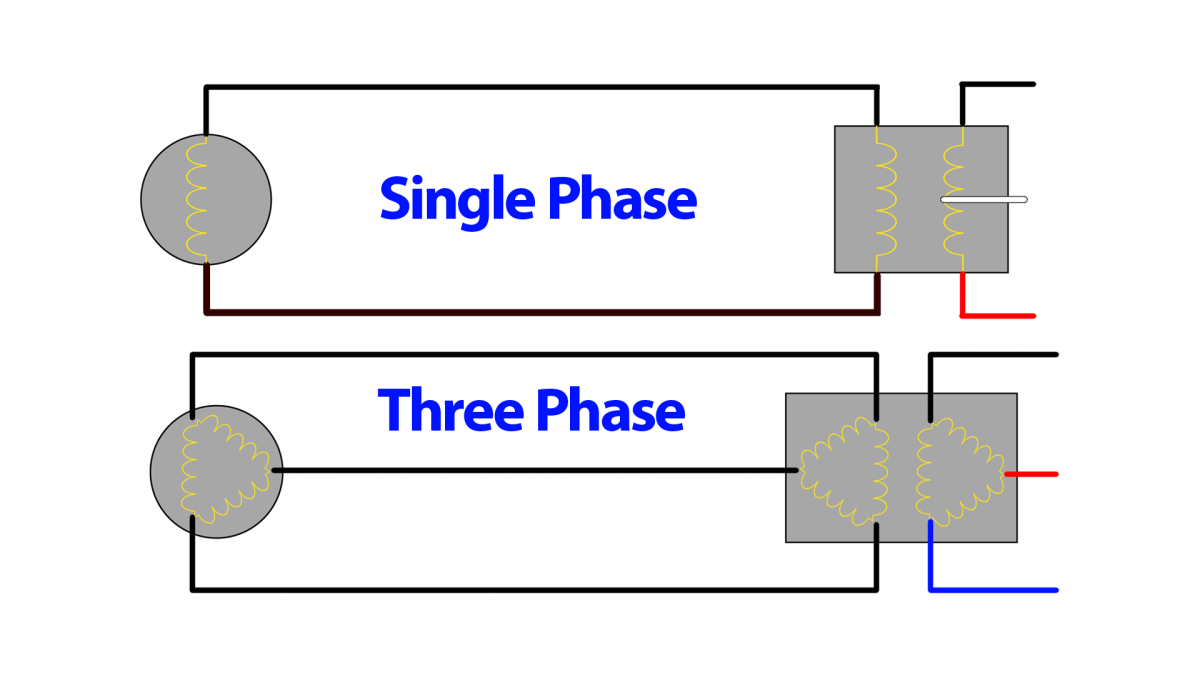
Now, before you start rewiring your house (please don't!), understand that working with electricity requires caution. Always consult a qualified electrician for any electrical work. However, you can learn to identify your power type. Check your electrical panel; three-phase systems often have larger breakers and more complex wiring. You can also look at the voltage ratings on your appliances and equipment. If you're considering purchasing new equipment, carefully review the power requirements to ensure compatibility with your existing electrical system. If you are thinking about upgrading to three-phase, be aware that there will be significant installation costs and likely increased monthly utility bills.
Ultimately, understanding the difference between single-phase and three-phase power isn't just about technical specifications. It’s about gaining a deeper understanding of the energy that fuels our lives and our passions. It's about being an informed consumer, a savvy artist, and a more empowered maker. So, go forth, explore the world of electricity, and let it power your creativity!