Differences Of Renewable And Nonrenewable Resources
Okay, picture this: you're at a never-ending pizza buffet. On one side, a magical, self-replenishing pizza oven churns out pepperoni and mushroom masterpieces faster than you can say "extra cheese." On the other side? A single, albeit enormous, pizza the size of your car. That, my friends, is the simplest way to think about renewable and non-renewable resources.
The Pizza That Keeps on Giving (Renewable Resources)
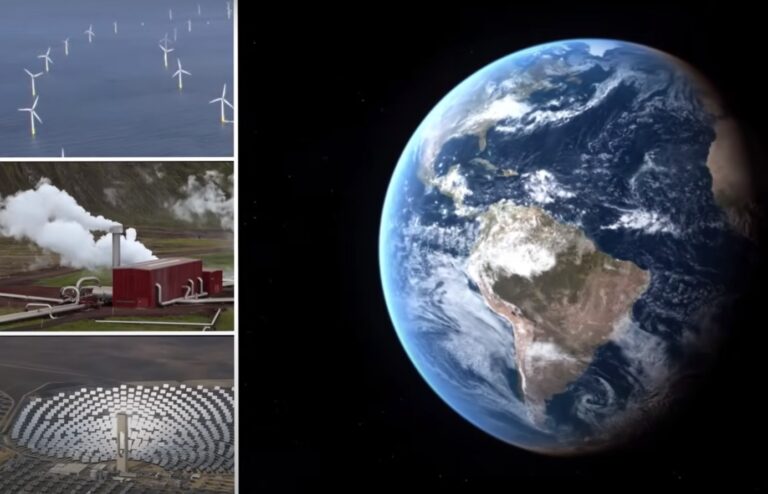
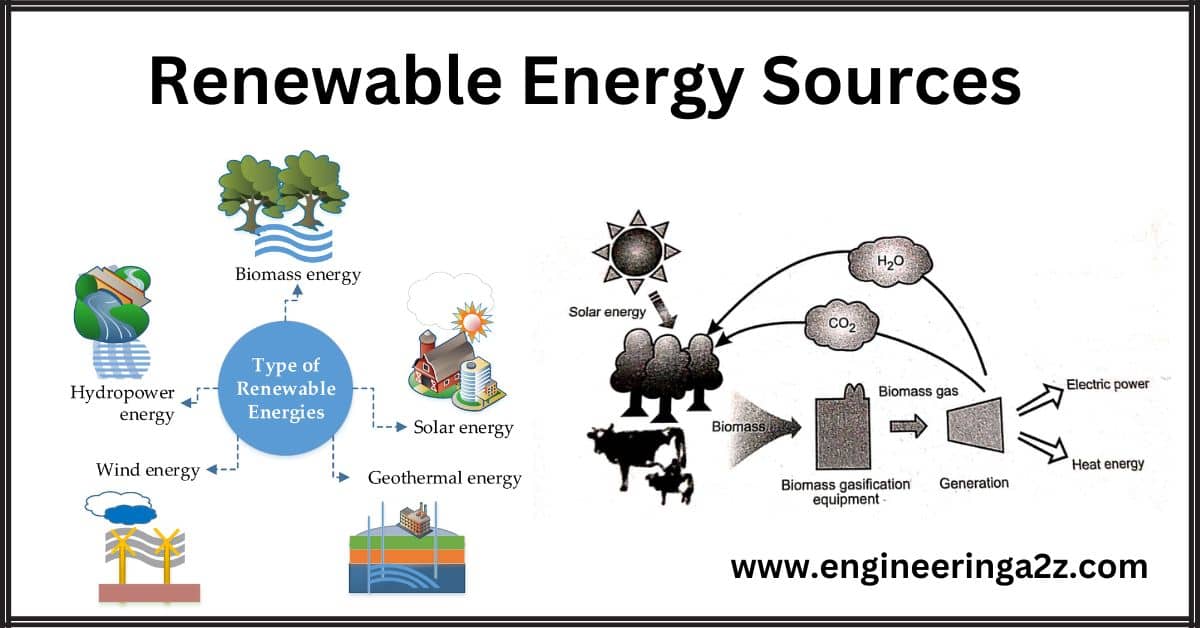
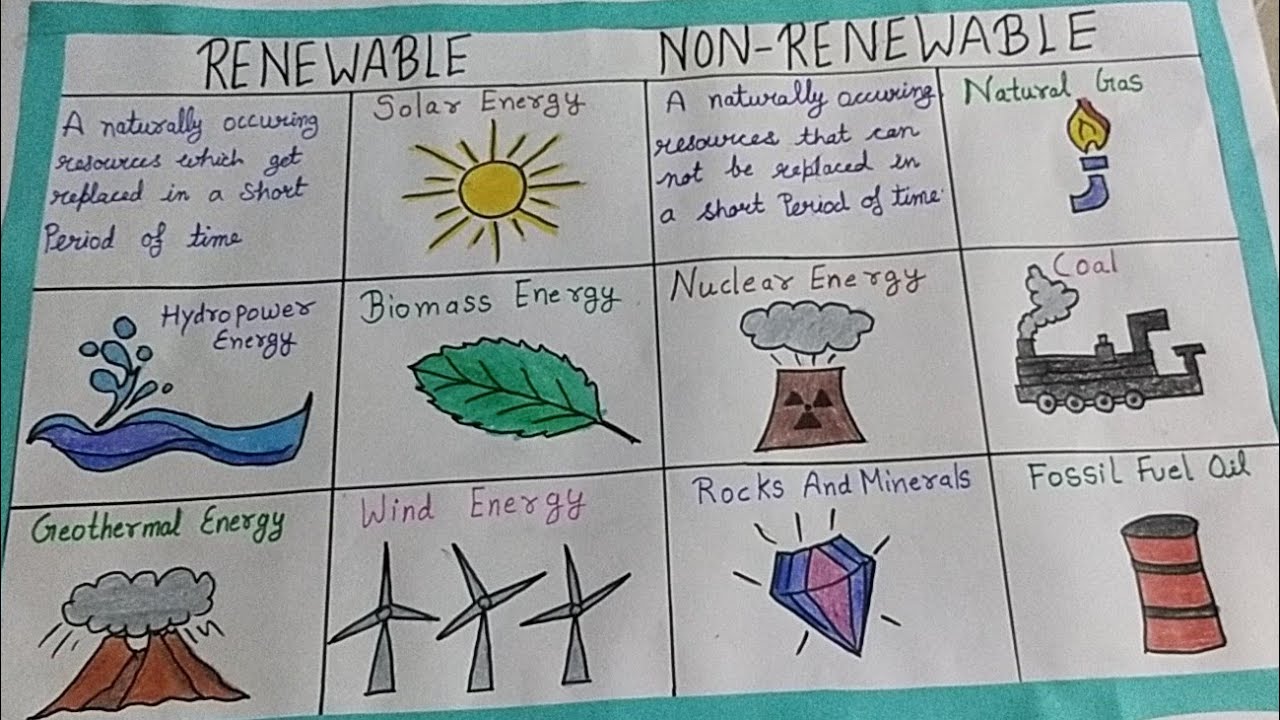
That magical pizza oven? That's renewable energy! Think sunshine, wind, water, and geothermal heat bubbling up from the Earth's core. These resources are like the energizer bunny; they keep going and going... as long as we treat them kindly. The sun will (probably) keep shining, the wind will keep blowing, and the rain will keep falling. These are resources that naturally replenish themselves over a relatively short period.
Imagine planting a field of corn. You harvest it, make some delicious cornbread (or maybe some less-delicious corn-based ethanol for your car), and then... you plant more corn! It's a cycle! Solar panels soak up sunshine, and the sun comes up again tomorrow. Wind turbines spin, the wind changes direction, and the blades keep turning. It's a beautiful, sustainable dance with nature.
Must Read
One of the coolest things about renewables is their potential to be, well, neighborly. Think about a community solar project, where everyone pitches in to build a solar farm and share the power. Or a farmer who uses wind turbines to power their farm and maybe even sell excess energy back to the grid. It's a win-win for the environment and for communities.
Of course, renewable resources aren't perfect. Solar power only works when the sun's out, wind power only works when the wind's blowing, and hydro-electric power… well, you need a river! But scientists and engineers are constantly working on ways to make renewable energy more reliable and efficient – from better batteries to store solar energy to smarter grids that can balance the supply and demand of renewable power.

The One Giant Pizza (Non-Renewable Resources)
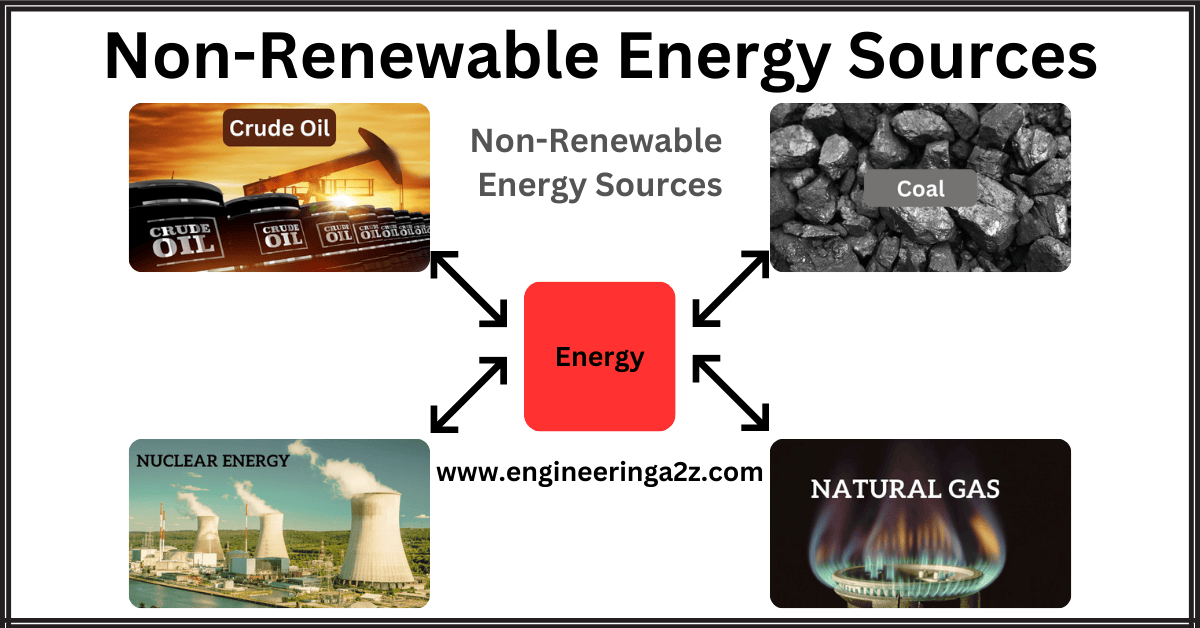
Now, that car-sized pizza? That's your non-renewable resource. Think coal, oil, and natural gas – the fossil fuels that have powered our world for centuries. These are resources that took millions of years to form, deep beneath the Earth's surface. We're talking about ancient plants and animals that died, decomposed, and were subjected to immense pressure and heat over eons.
The problem? Once we gobble up that giant pizza, it's gone. We can't just order another one from the pizza place down the street. It's a finite resource, and we're using it up much faster than it can be replenished (which, let's face it, is never). Burning these fossil fuels also releases greenhouse gases into the atmosphere, contributing to climate change. It's like adding extra-spicy peppers to the pizza – delicious at first, but with some potentially uncomfortable consequences later.
There's a certain thrill, perhaps, to tapping into these ancient energy stores. Digging deep into the earth, extracting these concentrated forms of energy. But the long-term cost to the planet is becoming increasingly clear. Mining coal can devastate landscapes. Oil spills can harm wildlife. The sheer volume of carbon dioxide released into the atmosphere is changing our climate.
We're not saying non-renewable resources are evil – they've played a vital role in our history. But we're like kids raiding the cookie jar: it's tempting, but eventually, the cookies run out, and we might feel a little guilty afterward. The challenge now is to find ways to transition away from our reliance on these finite resources and embrace the never-ending pizza buffet of renewable energy.
The Bottom Line
The difference between renewable and non-renewable resources boils down to this: one is like a magical, self-replenishing pizza oven, and the other is like a single, giant pizza. One offers a sustainable path forward, and the other... well, the other is a delicious but ultimately unsustainable indulgence. Embracing renewable energy isn't just about saving the planet; it's about creating a brighter, more sustainable future for everyone. It’s about choosing the pizza that keeps on giving, rather than the one that leaves us with a greasy box and a feeling of regret. And who doesn't love pizza?
So, the next time you turn on a light switch, drive your car, or simply enjoy a slice of pizza, take a moment to think about where that energy comes from. Are you tapping into the power of the sun, wind, or water? Or are you relying on resources that are slowly but surely running out? The choice, ultimately, is ours.