Difference Between Weather Warning And Advisory
Let's face it, we're all a little bit weather-obsessed. Whether it's planning a weekend getaway, deciding what to wear, or just making small talk at the water cooler, the weather plays a surprisingly large role in our daily lives. We scroll through weather apps, listen to forecasts on the radio, and maybe even glance at the sky (remember doing that?). Knowing what's coming allows us to prepare, to adapt, and, let's be honest, to avoid being caught in an unexpected downpour.
But have you ever stopped to really understand the different types of weather alerts issued? It's easy to lump them all together, but there's a crucial distinction between a weather warning and a weather advisory, and knowing the difference can make a real difference in how you react to Mother Nature's moods. Understanding these alerts helps us make informed decisions, protecting ourselves, our families, and even our property.
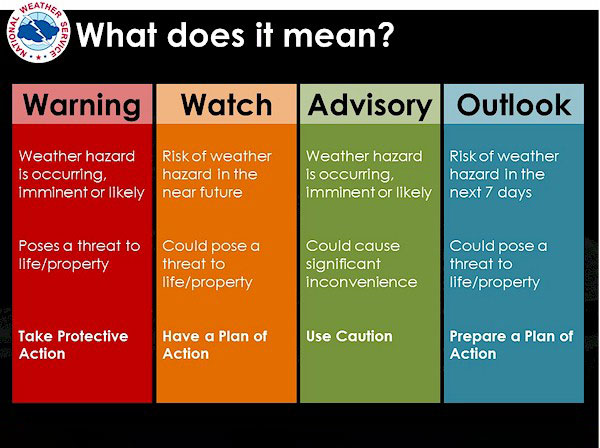
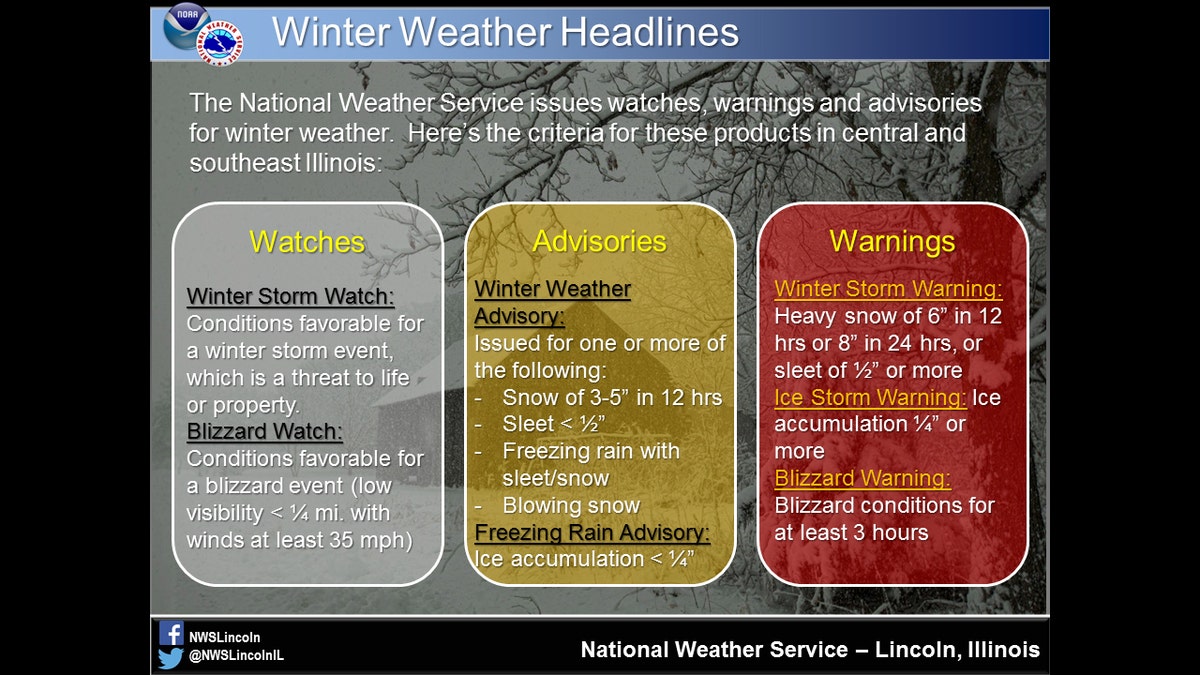
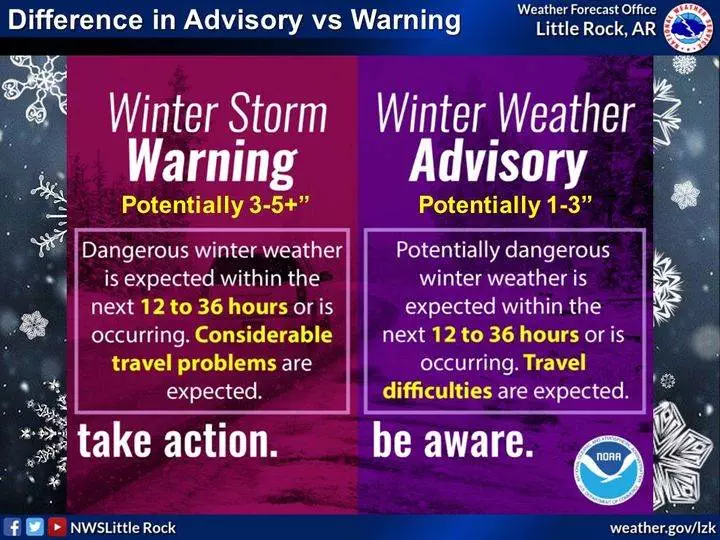
Think of it this way: a weather advisory is like a heads-up, a gentle nudge to be aware. It indicates that conditions are expected to cause inconvenience and may be hazardous. You might need to exercise extra caution, but you likely won't need to drastically alter your plans. Common examples include dense fog advisories, meaning visibility will be significantly reduced, or wind advisories, suggesting sustained winds that could make driving difficult, especially for high-profile vehicles. Maybe you delay that cycling trip, or drive a little slower than usual. It’s about being prepared.
Must Read
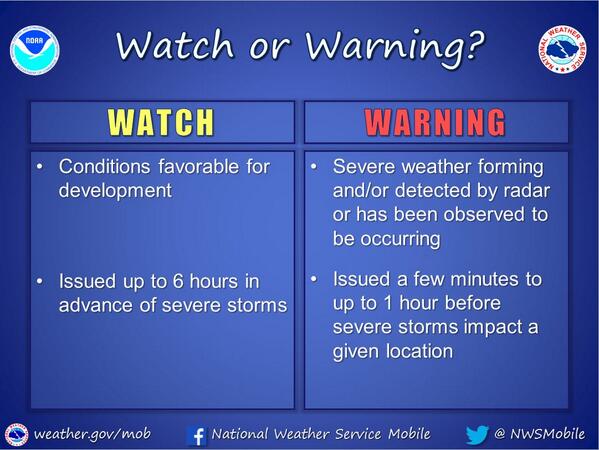
A weather warning, on the other hand, is a serious call to action. It means that hazardous weather is imminent or already occurring, and poses a significant threat to life and property. Warnings demand immediate attention and may require you to take protective measures. Examples include tornado warnings, flash flood warnings, or severe thunderstorm warnings. These alerts signal a time to seek shelter, stay informed, and potentially relocate to a safer location. Ignoring a warning could have dire consequences.
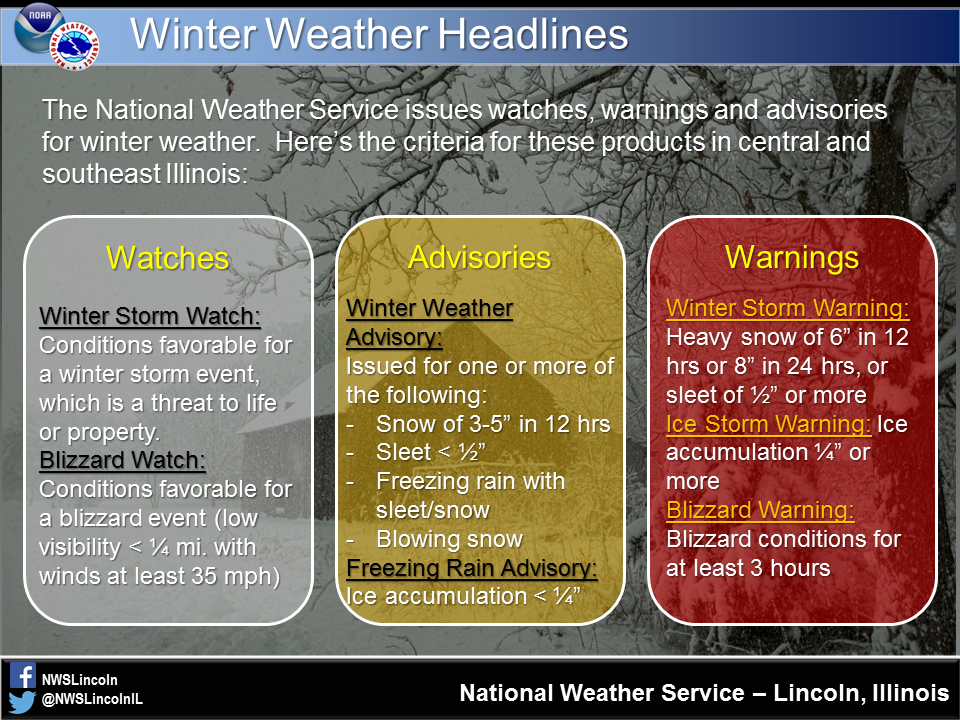
So, how can you make the most of this weather wisdom? First, make sure you have reliable sources of weather information. A trusted weather app on your phone, a local news station with a dedicated meteorology team, and even the National Weather Service website are all great resources. Second, pay attention to the specific details of the alert. Don't just see "wind" and assume it's nothing to worry about. Is it an advisory or a warning? What are the expected wind speeds? What areas are affected? The more information you have, the better equipped you'll be to make informed decisions. Third, develop a plan. Know where to go in case of a tornado warning. Have a go-bag ready in case of evacuation. And finally, take alerts seriously. It’s always better to be over-prepared than under-prepared.
By understanding the difference between weather advisories and warnings, and by actively seeking out and acting upon weather information, you can transform from a passive observer to a proactive planner. You'll not only be better equipped to navigate the elements, but you'll also gain a deeper appreciation for the power and unpredictability of the natural world. So, next time you hear about a weather alert, take a moment to understand what it really means. It could make all the difference.