
Difference Between Tropical Cyclone And Hurricane
Okay, let's dive into the swirling world of mega-storms! Are you ready to untangle the mystery of tropical cyclones and hurricanes? Think of it like this: all squares are rectangles, but not all rectangles are squares. Similarly, all hurricanes are tropical cyclones, but not all tropical cyclones are hurricanes!
Same Storm, Different Names, Different Postcodes
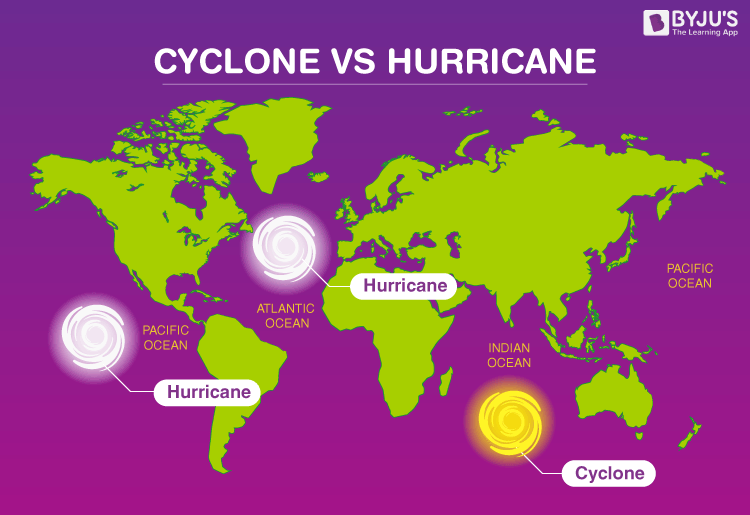
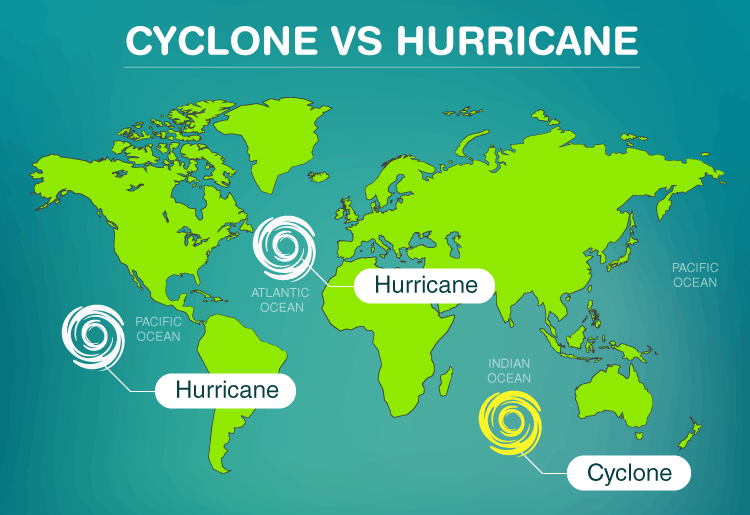
The key thing to remember is: location, location, location! It’s all about where these weather beasts decide to spin into existence. Imagine them as international travelers with a penchant for causing a ruckus.
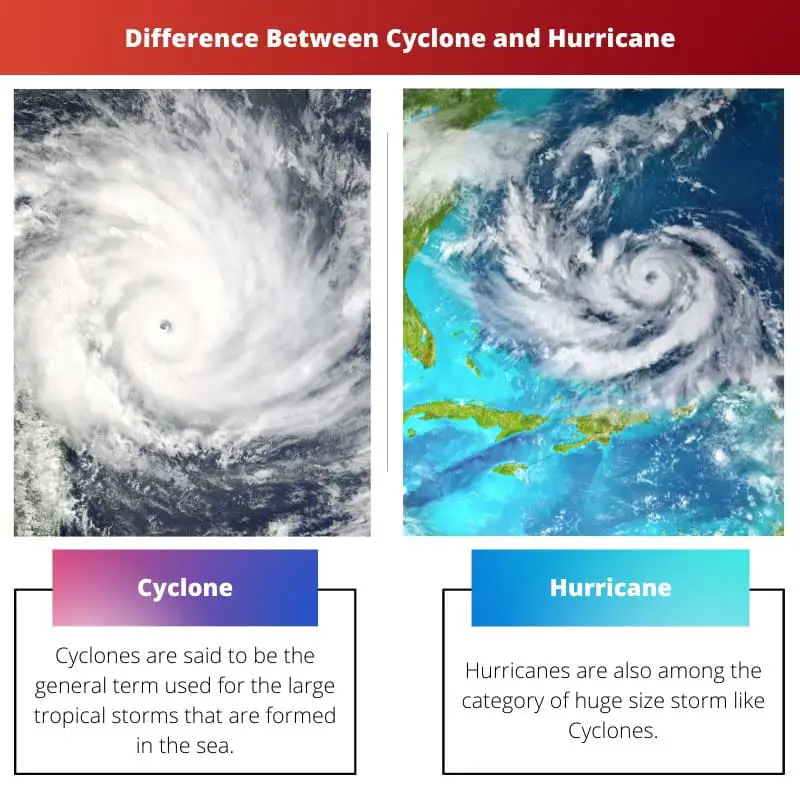
A tropical cyclone is the umbrella term. It describes a rotating, organized system of clouds and thunderstorms that originates over tropical or subtropical waters. They have a closed low-level circulation. In other words, it's a general name for these types of storms, no matter where they are.
Must Read
But when a tropical cyclone in the Atlantic Ocean or the northeastern Pacific Ocean gets winds of 74 miles per hour (119 kilometers per hour) or higher? Bam! It earns the title of hurricane. That’s its official "I'm a serious threat" speed.
Now, if that same storm brewed in the northwestern Pacific Ocean? You wouldn't call it a hurricane. Oh no, no, no. It gets a brand new, equally impressive name: typhoon!
Think of it Like This: Ice Cream!
Let's say tropical cyclone is like "ice cream." It's the broad category. Chocolate ice cream, vanilla ice cream, strawberry ice cream – they're all ice cream. Right?
Well, hurricane is like "chocolate ice cream." It's a specific type of ice cream (tropical cyclone) with its own unique flavor (location and intensity).
And typhoon? That's your "rocky road" – another specific type of ice cream (tropical cyclone) with its own delicious (or terrifying, depending on your perspective) ingredients and label.
Wind Speed: The Great Distinguisher
Wind speed is a super important factor. It's the speedometer for these spinning weather systems. The higher the wind speed, the more intense the storm, and the scarier the name it earns.
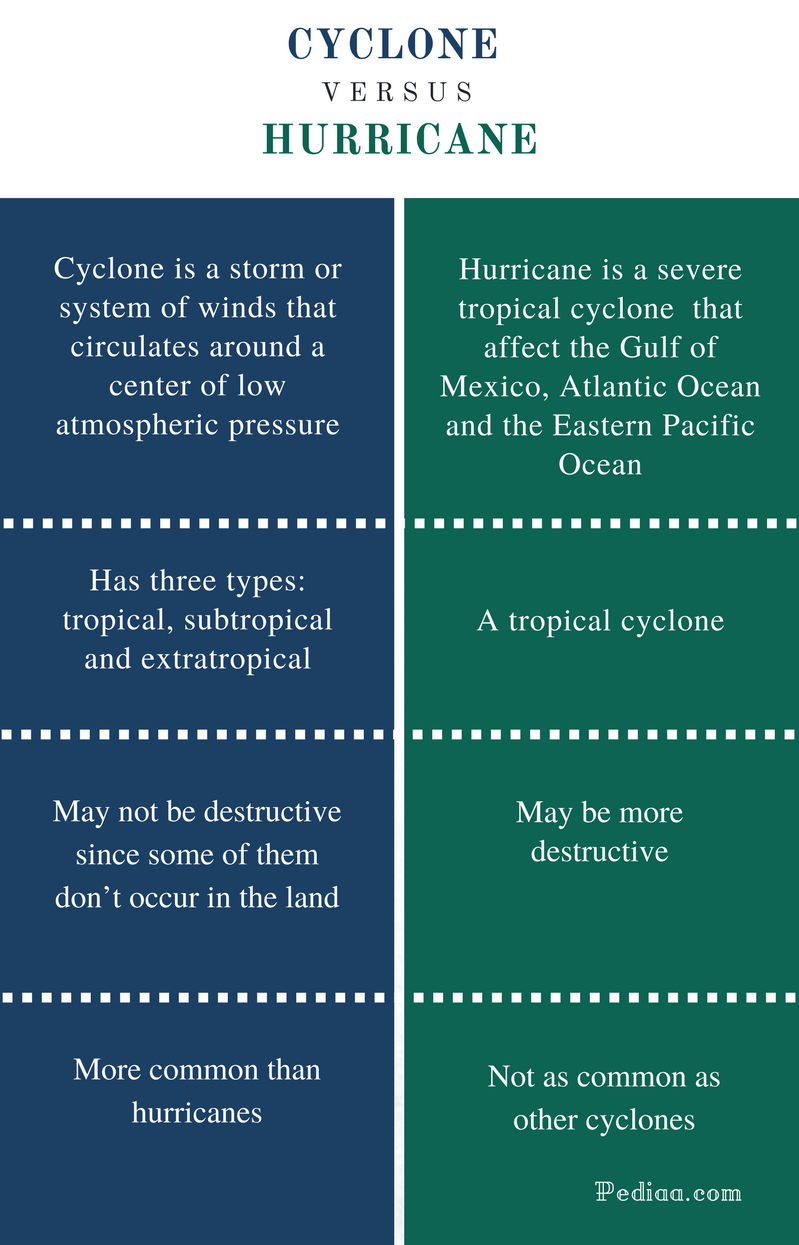
A tropical depression is the baby of the bunch. It has winds of 38 mph (61 km/h) or less. Think of it as a tropical cyclone in training, still learning the ropes.
Once those winds reach 39-73 mph (63-117 km/h), it graduates to a tropical storm and gets a name! This is when things start getting a little more serious, but it's still not quite a hurricane or typhoon.
And then, boom! 74 mph (119 km/h) or higher, and it's officially a hurricane (in the Atlantic/Northeastern Pacific) or a typhoon (in the Northwestern Pacific). Time to batten down the hatches!
Let's recap with an Example:
Imagine a tropical disturbance forming off the coast of Africa. It starts spinning and strengthening. The winds are still relatively calm, so it’s just a baby tropical depression.
As it moves westward across the Atlantic, it starts to gather strength. The winds pick up, reaching 40 mph. Now it's a tropical storm and gets a name, let's say "Danielle".
If Danielle continues to intensify over warm waters and reaches sustained winds of 75 mph, it becomes a hurricane! Watch out, Caribbean and US East Coast!
But, let's say the same system formed in the western Pacific. When reaching the 75mph criteria, it would be a typhoon!

Other Regional Names: A Global Affair
The world of tropical cyclones is diverse, and different regions have their own terms for these powerful storms. It's like everyone having their own nickname for their favorite aunt!
In the Indian Ocean, they're often called cyclones. Simple, right? No fuss, no muss.
And in Australia, they can be referred to as willy-willies. That's a fun one! It sounds almost whimsical, but don't be fooled. These storms are anything but gentle.
Don't get hung up on the Names!
The most important thing is to understand the potential for danger. Whether it's called a hurricane, a typhoon, a cyclone, or a willy-willy, these storms can cause serious damage and pose a threat to life.
Pay attention to weather warnings and advisories from your local authorities. They'll tell you what to expect and how to stay safe.
Knowing what name it goes by is only for trivia night. Safety is what matters.
The Saffir-Simpson Hurricane Wind Scale
Speaking of intensity, let's talk about the Saffir-Simpson Hurricane Wind Scale. This scale classifies hurricanes based on their sustained wind speeds. It helps us understand the potential damage a storm can cause.
Category 1 hurricanes are the weakest, with winds of 74-95 mph (119-153 km/h). They can still cause damage, but it's generally limited to things like broken tree branches and minor flooding.
Category 5 hurricanes are the most intense, with winds of 157 mph (252 km/h) or higher. These storms can cause catastrophic damage, leveling homes and causing widespread devastation. We all hope to never see one of these.
And What about Typhoons?
There isn't one single universally adopted scale for Typhoons. Many countries and agencies use their own intensity scales, leading to different classifications for the same storm. The key thing is that the local authorities know what is happening.
Some scales are based on maximum sustained winds, similar to the Saffir-Simpson scale used for hurricanes, while others incorporate factors like central pressure and storm surge. Be aware of what your local authority is saying.
Why All the Different Names?
It boils down to historical and geographical reasons. Different cultures and regions developed their own terms for these storms over time. These are the terms that stuck!
Plus, different meteorological organizations are responsible for forecasting and tracking these storms in different parts of the world. This leads to the use of different naming conventions and intensity scales.
It's a little confusing, I know, but think of it as a testament to the global nature of weather and the diverse ways humans have interacted with it throughout history. Isn't it neat?
Staying Safe: The Ultimate Goal
No matter what you call them, these storms are powerful forces of nature. The best way to protect yourself and your loved ones is to be prepared.
Have an emergency plan in place, know your evacuation routes, and stock up on essential supplies like food, water, and medications. Being prepared is always the best defense.
And remember to stay informed by following reliable weather sources and listening to the advice of local authorities. Safety first, always!
In Conclusion: Stormy Weather, Explained!
So, there you have it! The difference between a tropical cyclone and a hurricane (and a typhoon, and a willy-willy!) demystified.
It's all about location, intensity, and a little bit of historical quirkiness. But at the end of the day, these are all powerful storms that deserve our respect and attention.
Now you can impress your friends and family with your newfound weather knowledge. Just don't be that person who corrects everyone on the internet. Unless they are spreading misinformation!
Stay safe, stay informed, and may your days be filled with sunshine (unless, of course, you're a storm chaser!).