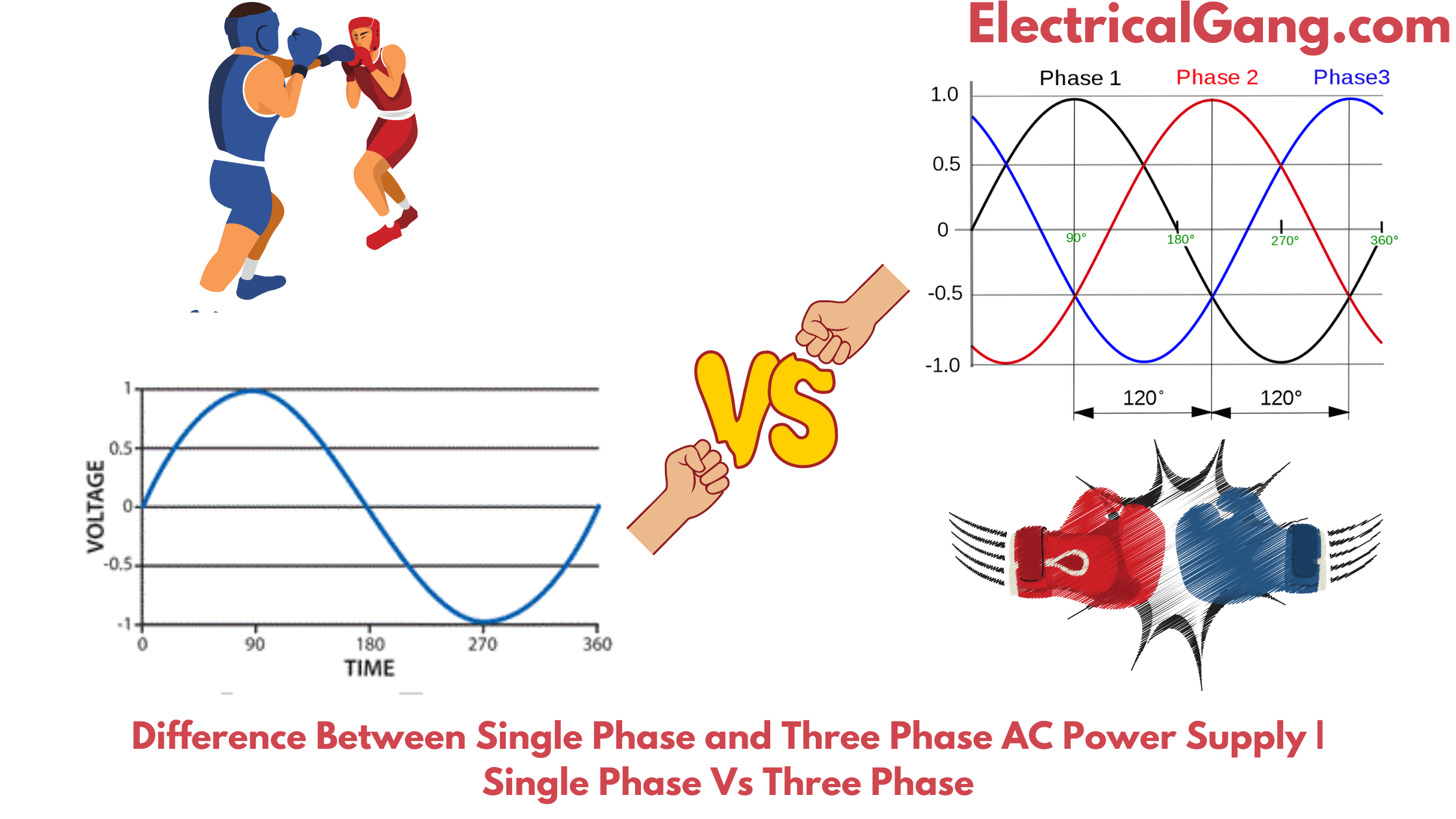
Difference Between Single Phase And 3 Phase Power
Alright, settle in, friend! Let's talk about something that might sound intimidating – single-phase and three-phase power. But trust me, it’s not rocket science (unless you’re actually building a rocket, then maybe it is...). We’re going to break it down nice and easy, no engineering degree required. Think of it as understanding the difference between a bicycle and a tricycle. Both get you places, just in different ways.
So, what's the big deal? Well, electricity, as you probably know, is the lifeblood of modern living. It powers your phone, your fridge, your TV... basically everything except maybe that incredibly complex sourdough starter you’ve been nurturing (and even that needs the oven!). And it comes in different "flavors," so to speak. That’s where single and three-phase come in.
Single-Phase: Your Home Sweet Home Power
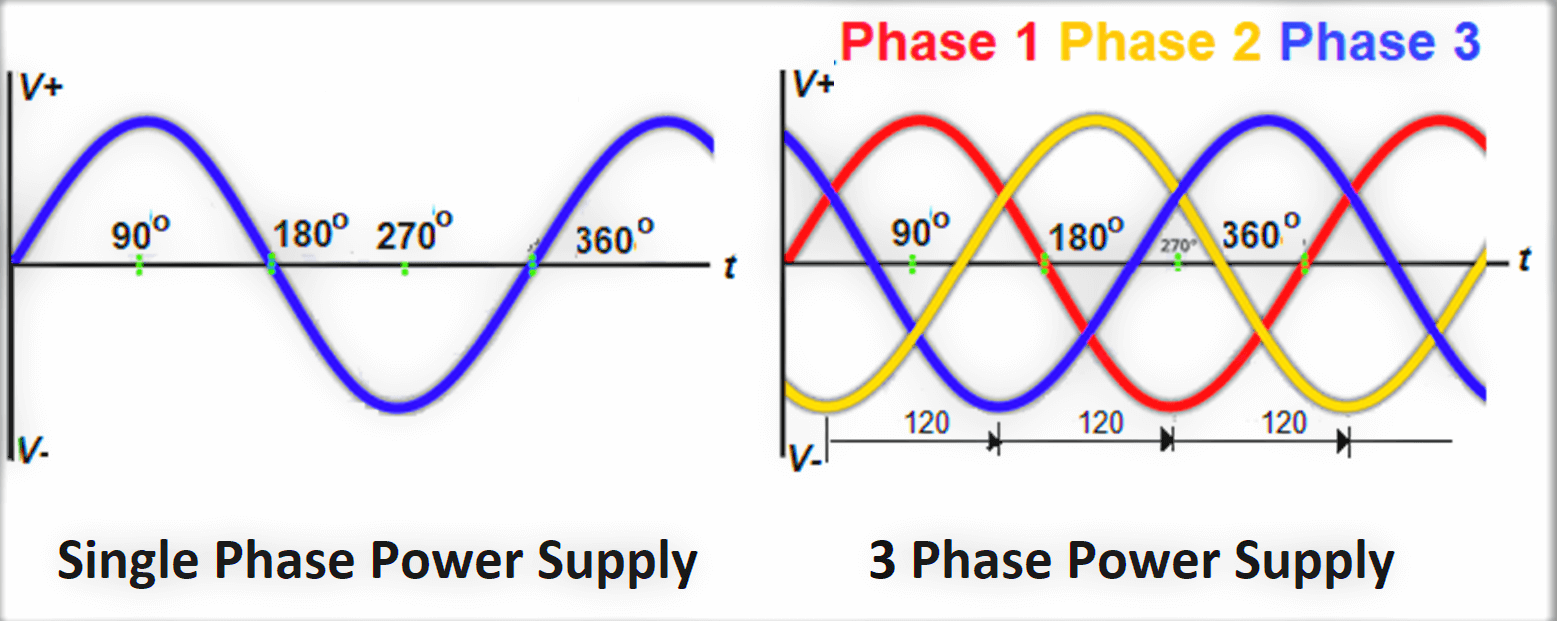
Imagine electricity as a river. Single-phase power is like a river with a single, consistent flow. It's the kind of power you get in most homes. It's simple, reliable, and perfectly adequate for running your appliances, lighting, and charging your devices. It's the bread and butter of domestic electricity. Think about plugging in your toaster. That’s single-phase at work. It's designed for smaller loads.
Must Read
It’s also like having one really enthusiastic drummer in a band. He’s keeping the beat, but it’s not the fullest, richest sound you could get.
Key characteristics of single-phase:
- Relatively simple and inexpensive.
- Best suited for residential applications and smaller businesses.
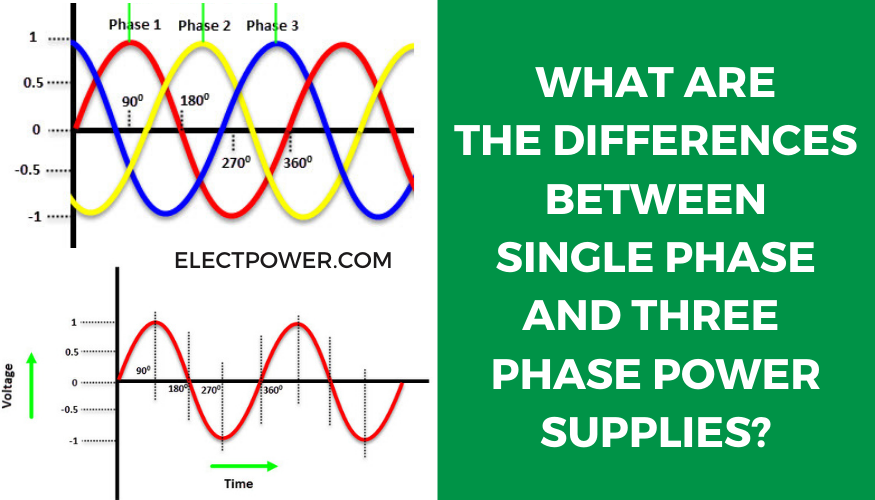
- Uses a single alternating current (AC) voltage wave.
- Typically 120V or 240V in North America.
Three-Phase: Powering the Big Boys (and Girls!)
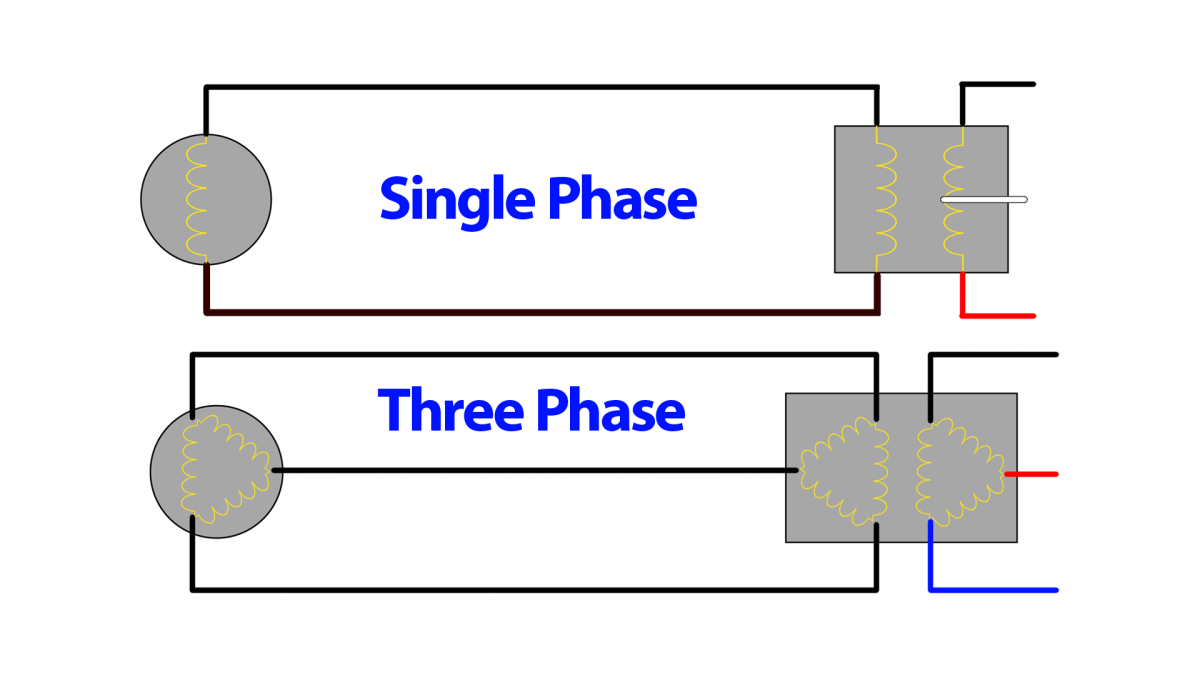
Now, imagine that same river, but instead of one steady flow, it has three distinct currents flowing in a coordinated manner. That's three-phase power! It's like having three synchronized drummers, each hitting a slightly different part of the beat, creating a smoother, more powerful rhythm. This is the muscle power of the electrical world, designed for heavy-duty applications.
Think factories, large commercial buildings, and industrial equipment. Things that need a serious amount of power to operate. We’re talking about machinery that cuts metal, pumps massive amounts of water, or keeps the lights on in a stadium. Three-phase power can deliver a lot more power with a smaller wire size than single-phase. That's a big deal when you're talking about powering something the size of a small town.
Think of it this way: if single-phase is a bicycle, three-phase is a delivery truck carrying a ton of refrigerators.
Key characteristics of three-phase:
- More efficient for high-power applications.
- Requires more complex wiring and equipment.
- Commonly used in industrial and commercial settings.
- Provides a smoother and more consistent power delivery.
The Nitty-Gritty (But Still Easy to Understand!)
The magic behind three-phase lies in its "out-of-sync" waveforms. Each of the three phases is offset from the others by 120 degrees. This means that the power delivered is more constant, avoiding the dips and spikes you might see in a single-phase system. It's like a relay race where someone is always running.

Think of it as having three people pushing a car. If they all push at the same time (single-phase), there are moments when nobody is pushing (the current dips to zero). But if they push in a coordinated sequence (three-phase), there's always someone applying force, resulting in smoother, more powerful movement.
In short, single-phase is your friendly neighborhood power source, while three-phase is the heavy hitter for the big leagues. Think of single phase as ordering a pizza for one, and three phase as catering for an entire wedding party!
So, next time you flip a light switch, remember the unsung heroes – the electrons – flowing through the wires. And know that, whether it's single-phase or three-phase, you're benefiting from the ingenuity of electrical engineering. Isn't that electrifying?