Difference Between Robbery And Stealing

Ever found yourself engrossed in a thrilling detective novel, a true-crime documentary, or even just a lively discussion about current events? There's a certain fascination we all share with the intricate dance of legality, especially when it comes to understanding the shades of wrongdoing. While nobody's advocating for a career change into the criminal underworld, grasping the finer points of legal distinctions, like the one between robbery and stealing, can be surprisingly enlightening. It's like knowing the difference between a gourmet chef and someone who just microwaves leftovers – both get the job done, but one involves a lot more… flair and direct confrontation.
So, why bother splitting hairs over these terms? Well, for starters, it makes you a much more savvy consumer of media. No more confidently declaring a shoplifter committed "robbery" on your favorite crime podcast! More importantly, understanding these differences helps us appreciate the precision of our legal system and the gravity with which certain acts are viewed. It's not just about semantics; it's about the impact on the victim and the perceived threat to society. Knowing the distinction helps us interpret headlines more accurately, participate in informed discussions, and frankly, sound a lot smarter at dinner parties when the topic inevitably veers towards the latest crime drama.
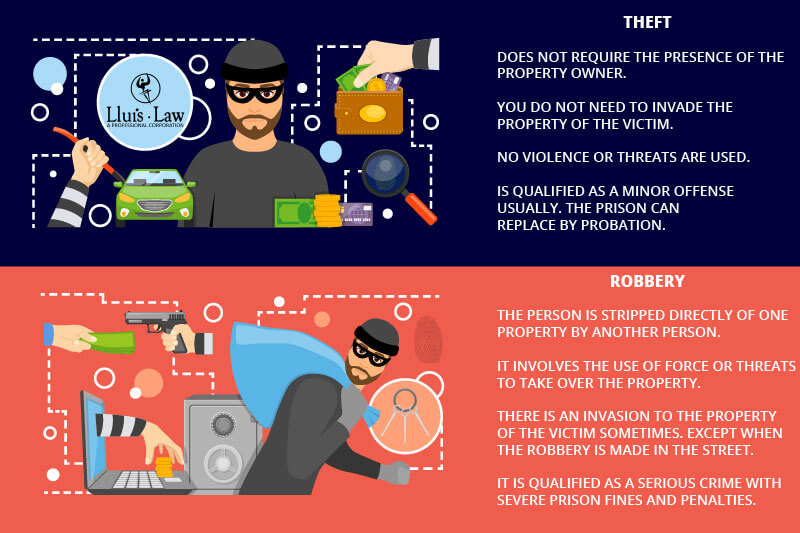
Let's dive into the nitty-gritty with some common scenarios. Imagine someone slips a candy bar into their pocket at the grocery store without paying. That, my friend, is a classic case of stealing (specifically, shoplifting, a form of theft). There's no direct confrontation, no threat, just a quiet, illicit taking. Now, picture someone walking into that same grocery store, pulling out a toy water pistol, and demanding all the cash from the register while the cashier trembles. That’s where we enter the realm of robbery. The key difference? Robbery involves taking property directly from a person, often by using or threatening to use force or intimidation. Think pickpocketing (stealing) versus a mugging (robbery). One is surreptitious, the other is an alarming, face-to-face encounter. It’s all about whether a person was present and subjected to a threat or violence during the taking.
Must Read
Want to become a master of legal distinctions without needing a law degree? Here's how to sharpen your discernment. Whenever you encounter a story about someone taking something that doesn't belong to them, ask yourself: Was a person directly involved in the taking? Was there any element of force, violence, or threat used to get the item from that person? If the answer to both is a resounding "yes," you're likely dealing with robbery. If it was simply an item disappearing from a place without a direct confrontation or threat to an individual, then it's typically stealing (or theft, as the broader legal term). Pay close attention to the verbs used in news reports – "grabbed," "snatched," "demanded" often indicate robbery, while "took," "removed," "absconded with" might lean towards stealing. By observing these nuances, you'll not only enjoy your crime dramas more but also gain a deeper appreciation for the meticulous language of the law.