
Difference Between Nimh And Lithium Ion Batteries
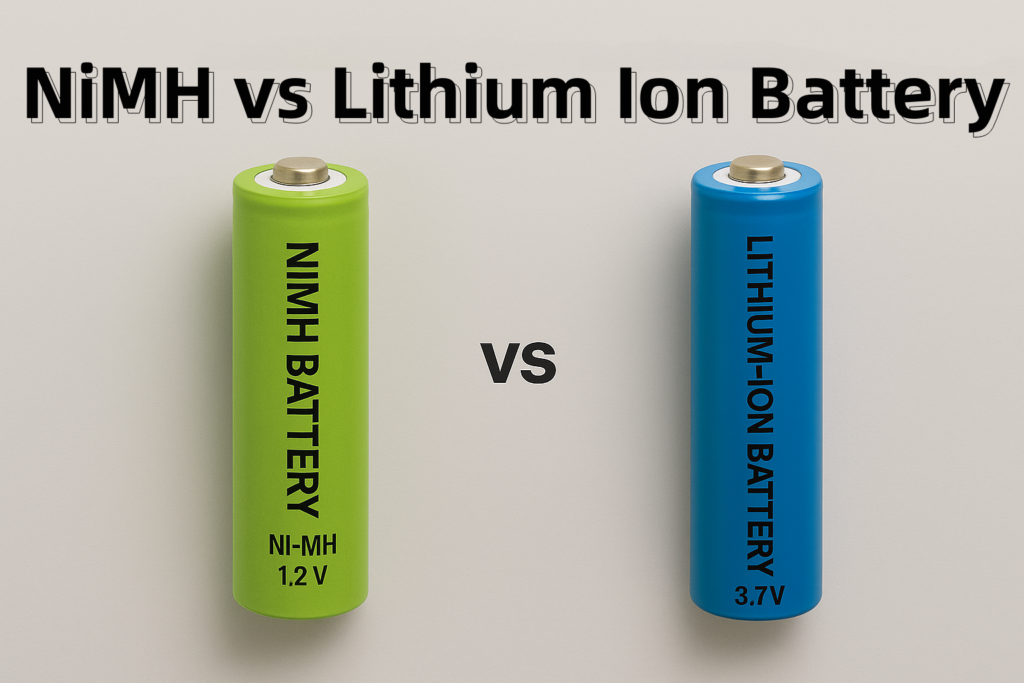
Batteries! They power our world, from our phones to our funky toy robots. But have you ever wondered what's inside these little energy capsules? Let's dive into a battle of the battery titans: NiMH (Nickel-Metal Hydride) versus Lithium-ion (Li-ion).
A Tale of Two Batteries
Think of NiMH batteries as the reliable, slightly older sibling. They've been around for a while, doing a solid job. Lithium-ion, on the other hand, is the younger, flashier sibling – all about speed and efficiency. They’re constantly pushing the boundaries of what a battery can do. It's a classic family drama playing out in your gadget drawer!
So, what's the big difference? Let's break it down, nice and easy.
Must Read
Energy Density: Lithium-ion's Got Game
Imagine you have two glasses of the same size. One glass holds more juice than the other. That's energy density! Lithium-ion batteries are like the glass that can hold way more juice. They pack a bigger punch in a smaller package. This is why your phone can be so slim and still last a decent amount of time. NiMH batteries are a bit bulkier for the same amount of power.
"Lithium-ion batteries have a higher energy density compared to NiMH batteries."
Translation: Lithium-ion lets you do more with less space. Score!
Lifespan: A Marathon, Not a Sprint
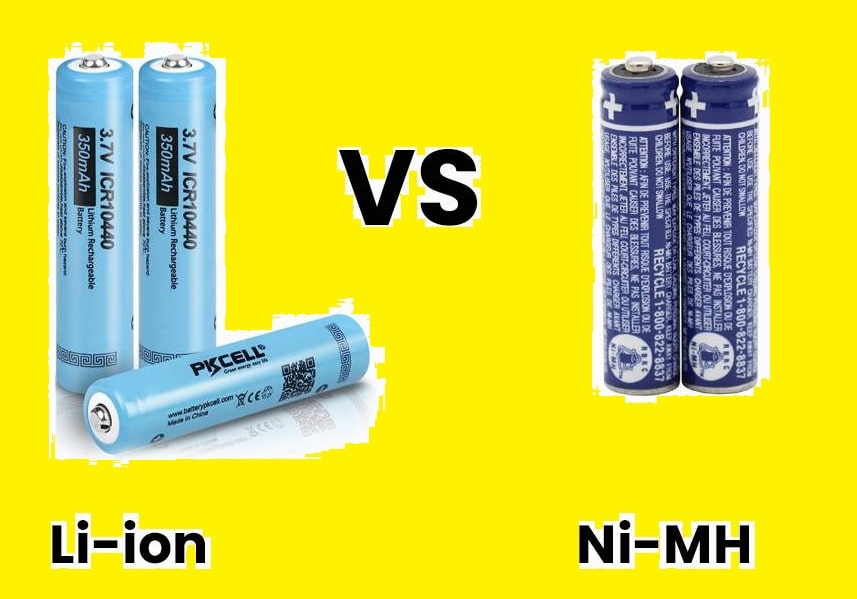
Now, let's talk about how long these batteries stick around. This is where things get interesting. Lithium-ion batteries generally have a good lifespan. You can charge and discharge them hundreds of times before they start to fade. However, they don’t like being fully drained all the time. It can shorten their lifespan.
NiMH batteries, while not as energy-dense, are pretty resilient. They can handle more abuse, like being fully discharged regularly, without complaining too much (though they will eventually wear out, of course!). Think of them as the workhorses of the battery world.
Memory Effect: Remember Me?
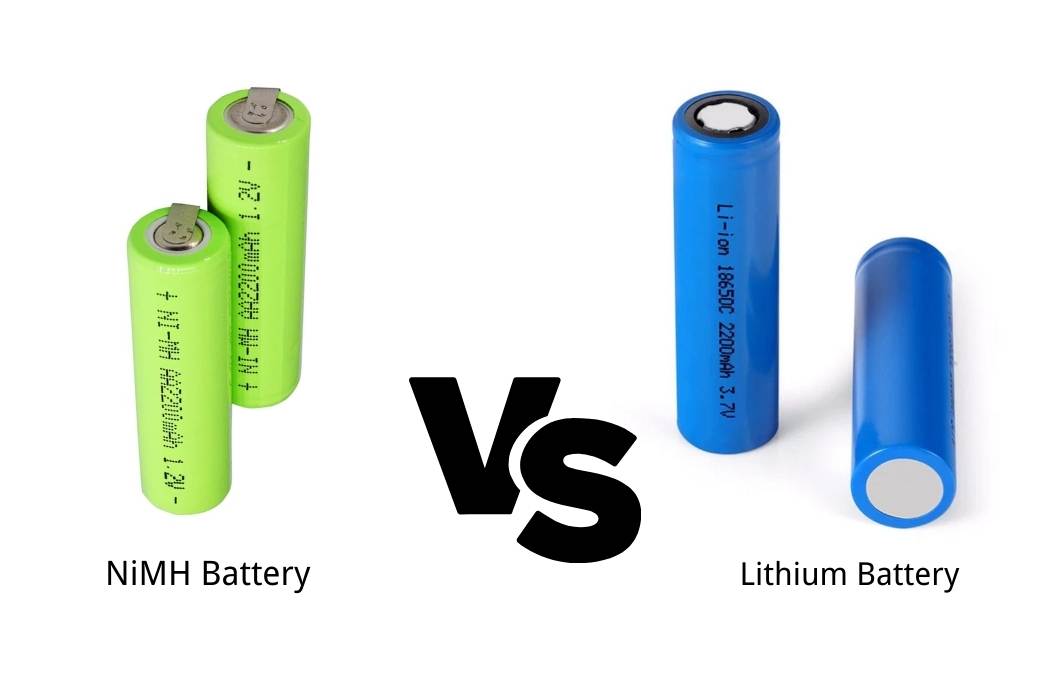
This is a fun one! Remember those old rechargeable batteries that seemed to "forget" their full capacity if you didn't fully discharge them before recharging? That's the dreaded "memory effect." NiMH batteries can sometimes exhibit this, although it's much less pronounced than with older Nickel-Cadmium (NiCd) batteries.
Lithium-ion batteries? They're immune! They don't have a memory. You can top them off whenever you want without worrying about them "forgetting" how much power they can hold.
Cost: Show Me the Money!
Price is always a factor, right? Generally, NiMH batteries are more budget-friendly. They're a solid choice if you're looking for reliable power without breaking the bank. Lithium-ion batteries tend to be pricier, but you're paying for that higher energy density and longer lifespan (if treated well!). Think of it as a trade-off.
Safety First!
Okay, a quick word about safety. Lithium-ion batteries, because they pack so much power into a small space, can be a bit…temperamental. In rare cases, they can overheat or even catch fire if mistreated (think extreme temperatures or physical damage). That’s why you see all those warnings about using the correct chargers and not leaving your phone in the sun.
NiMH batteries are generally considered safer. They're less likely to have dramatic meltdowns. So, if safety is your top concern, NiMH might be the way to go.
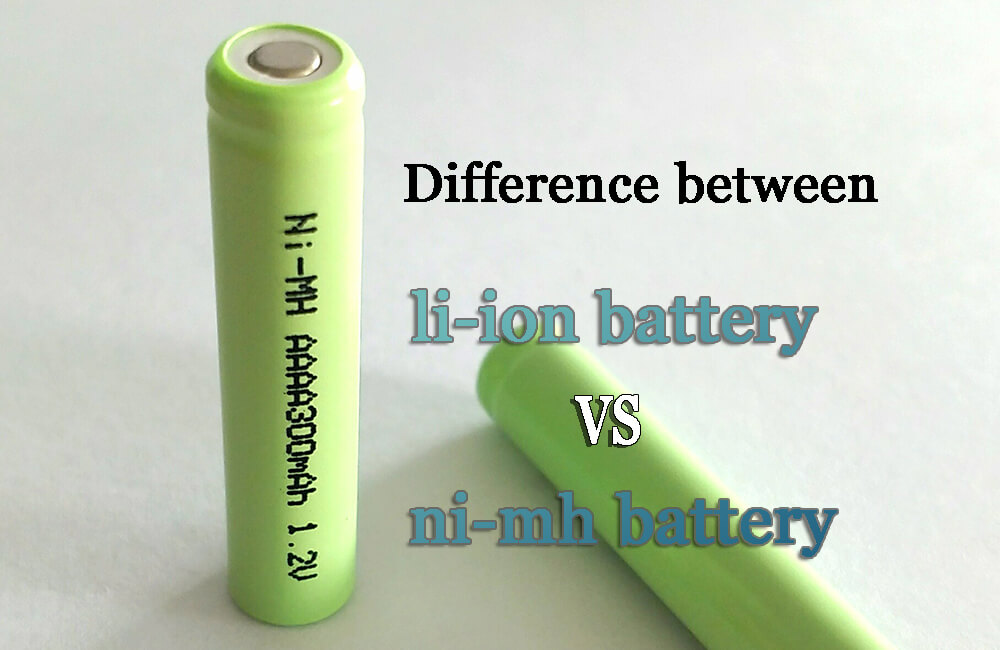
The Verdict: Which Battery Reigns Supreme?
There's no single "winner" in the NiMH vs. Lithium-ion battle. It all depends on your needs! Lithium-ion shines when you need high performance and a lightweight design, like in your phone, laptop, or electric car. NiMH batteries are a great choice for devices that require a lot of power and where cost is a major factor, like remote control cars or flashlights.
Ultimately, understanding the strengths and weaknesses of each type of battery will help you make the best choice for your gadgets. So, the next time you're shopping for batteries, you'll be armed with the knowledge to pick the perfect power source for your needs!
Now, go forth and conquer the world, powered by your battery of choice!