
Difference Between Li Ion And Lithium Battery
Okay, let's talk batteries. We're surrounded by them, right? From our phones practically glued to our hands to those talking toys that mysteriously stop working right after Christmas. And chances are, you've heard the terms "Li-ion" and "lithium battery" tossed around. But what's the actual deal? Are they the same thing? Different? Are we being bamboozled by battery buzzwords?
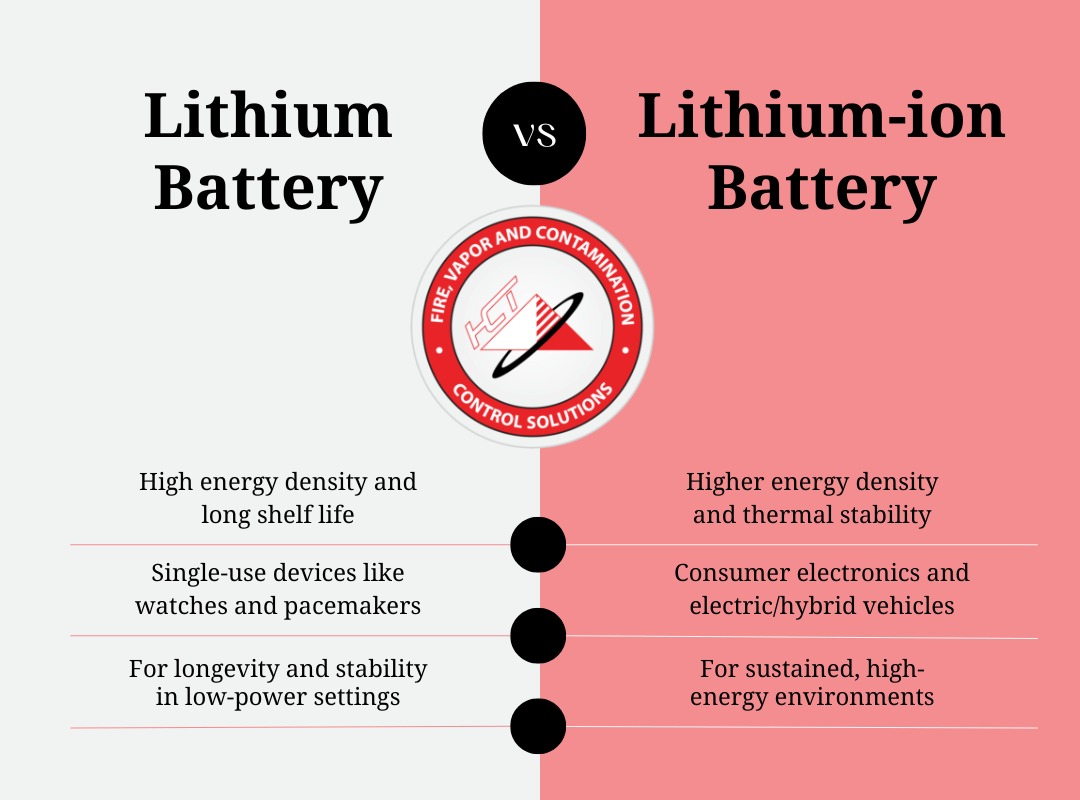
The short, slightly unsatisfying answer is: It's kinda both. Think of it like dogs. A poodle is a dog, but not all dogs are poodles. A Li-ion battery is a type of lithium battery, but not all lithium batteries are Li-ion.
Let’s unpack that like a suitcase full of tangled charging cables.
Must Read
The Big Picture: Lithium's Contribution
First, let's establish that all these batteries use lithium in some form. Lithium is a super-light metal, perfect for making batteries that pack a punch without weighing a ton. Remember those old brick phones? They lasted maybe an hour and weighed more than a small chihuahua. Lithium changed the game!
So, a lithium battery is essentially the umbrella term for any battery that uses lithium. It's the general category. Think of it as the “family name.”
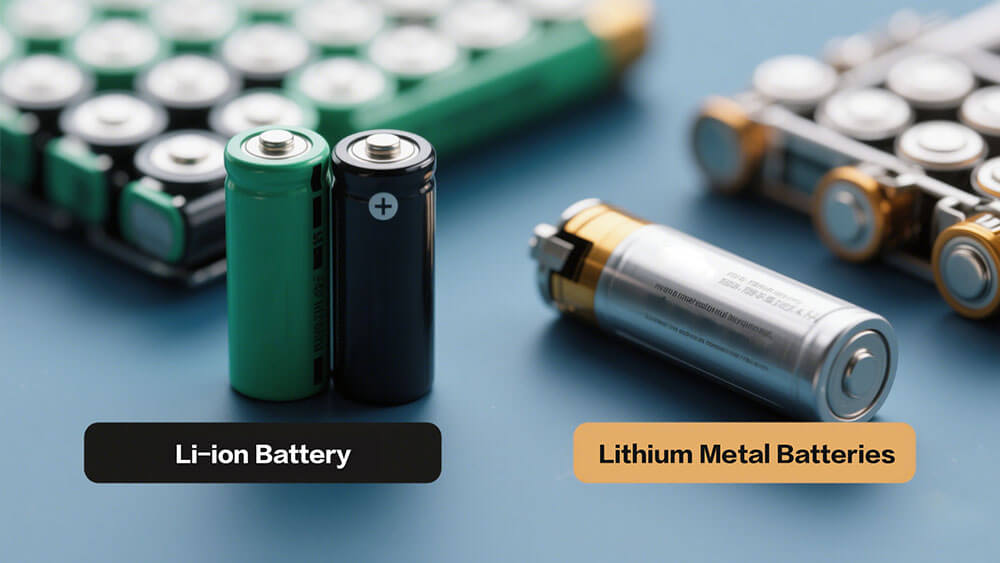
Now, under that umbrella, you have a bunch of different battery "siblings," each with their own quirks and personalities.
Li-ion: The Rechargeable Rockstar
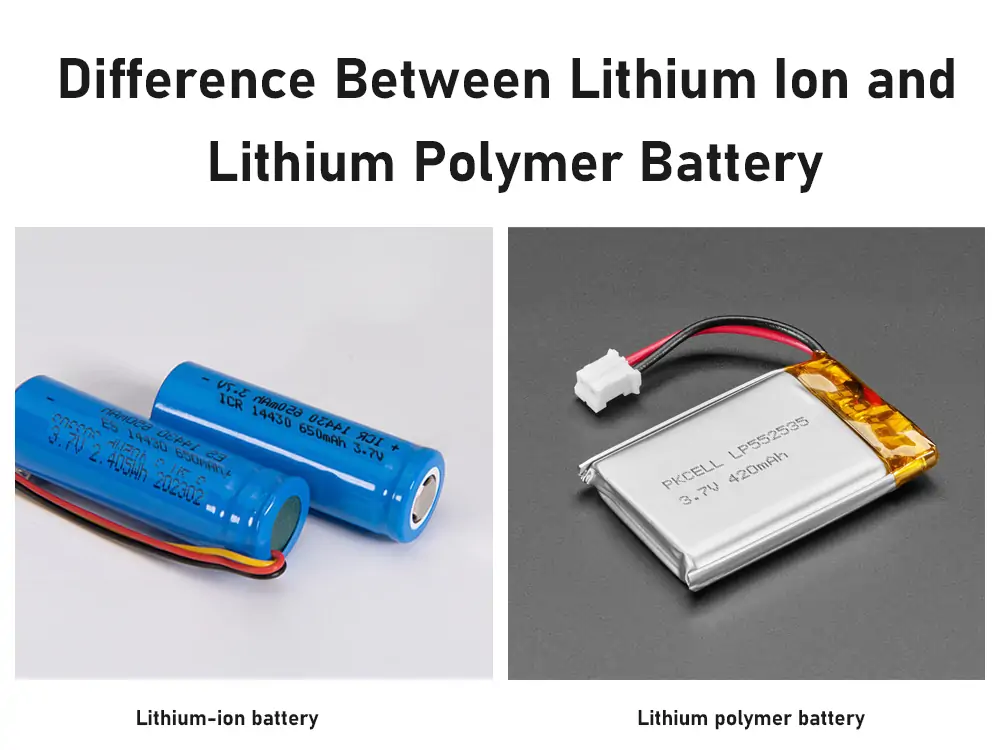
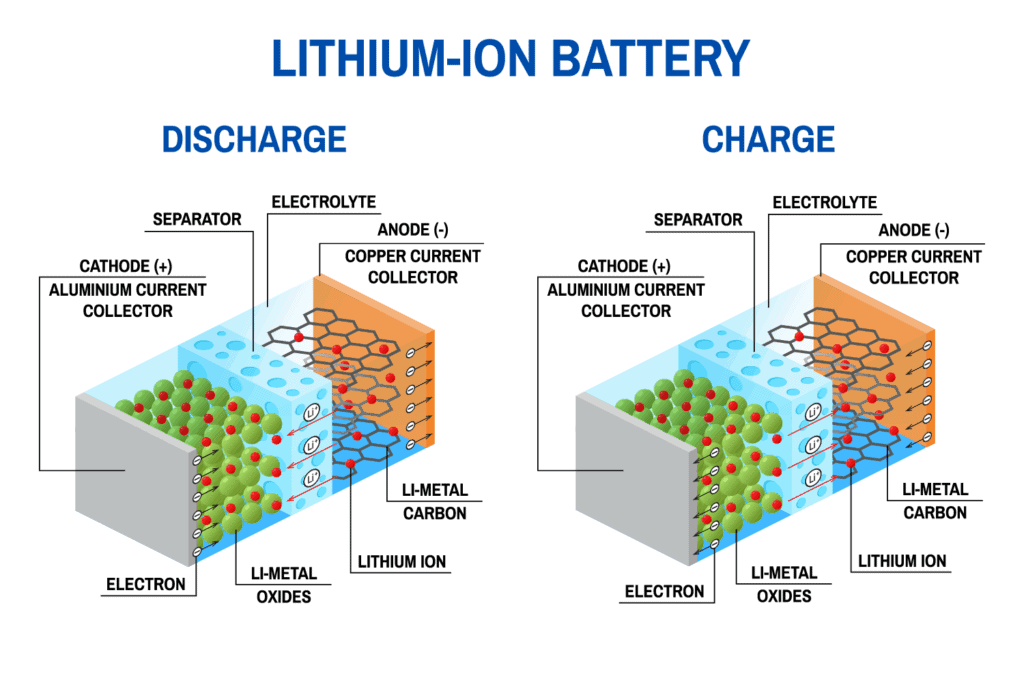
Li-ion, or lithium-ion, batteries are the rechargeable rockstars of the battery world. They're the ones you find in your smartphones, laptops, tablets, power tools, and even some electric cars. Basically, anything that needs to be charged over and over again probably has a Li-ion battery in it.
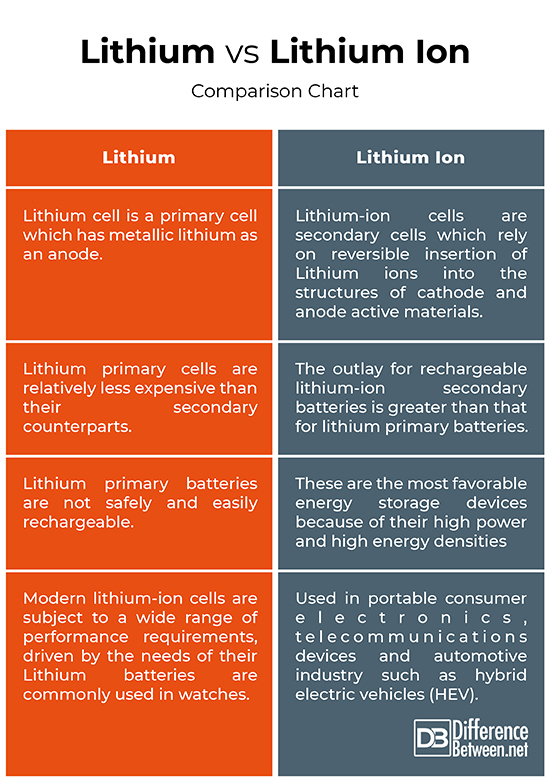
Why are they so popular? Well, they're pretty energy-dense, meaning they can store a lot of power in a relatively small space. They also have a relatively low self-discharge rate, so they don't lose their charge too quickly when you're not using them. Remember leaving those old rechargeable batteries in a drawer only to find them completely dead weeks later? Li-ion is much better at holding its juice.
The key here is rechargeability. If you can plug it in and juice it back up, it’s very likely a Li-ion battery.
Lithium (Non-Rechargeable): The Reliable One-Trick Pony
Then you have the other type of lithium battery – the non-rechargeable kind, often referred to as lithium-metal batteries. These are your reliable, one-trick ponies. They're designed to be used until they're dead, and then you replace them. You'll find them in things like watches, remote controls, smoke detectors, and some cameras.
They have a longer lifespan than alkaline batteries. Ever wondered why your smoke detector seems to keep chirping about low battery power at 3 AM? Switch to a lithium non-rechargeable and you might actually get a decent night's sleep.
These are great for devices that need a long-lasting, steady power source but don't need to be recharged frequently. Think of them as the marathon runners of the battery world, versus the Li-ion’s sprinters.
So, What's the Big Difference, Really?
Let's break it down with an analogy. Imagine you have two types of water bottles: a reusable one (Li-ion) and a single-use plastic bottle (lithium non-rechargeable). The reusable one can be refilled countless times, saving you money and helping the environment (hopefully!). The single-use bottle is convenient for a quick drink, but once it's empty, it's trash.
Essentially:
- Li-ion: Rechargeable, versatile, found in high-drain devices. Think phones, laptops, power tools.
- Lithium (non-rechargeable): Not rechargeable, long-lasting, found in low-drain devices. Think watches, smoke detectors.
The Takeaway: Don't get too caught up in the terminology. Just remember the main difference: can you recharge it or not? And now, armed with this knowledge, you can impress your friends at your next battery-powered gadget convention… or, you know, just not get confused the next time you're buying batteries. You’re welcome.