
Difference Between Hurricane Tornado And Cyclone
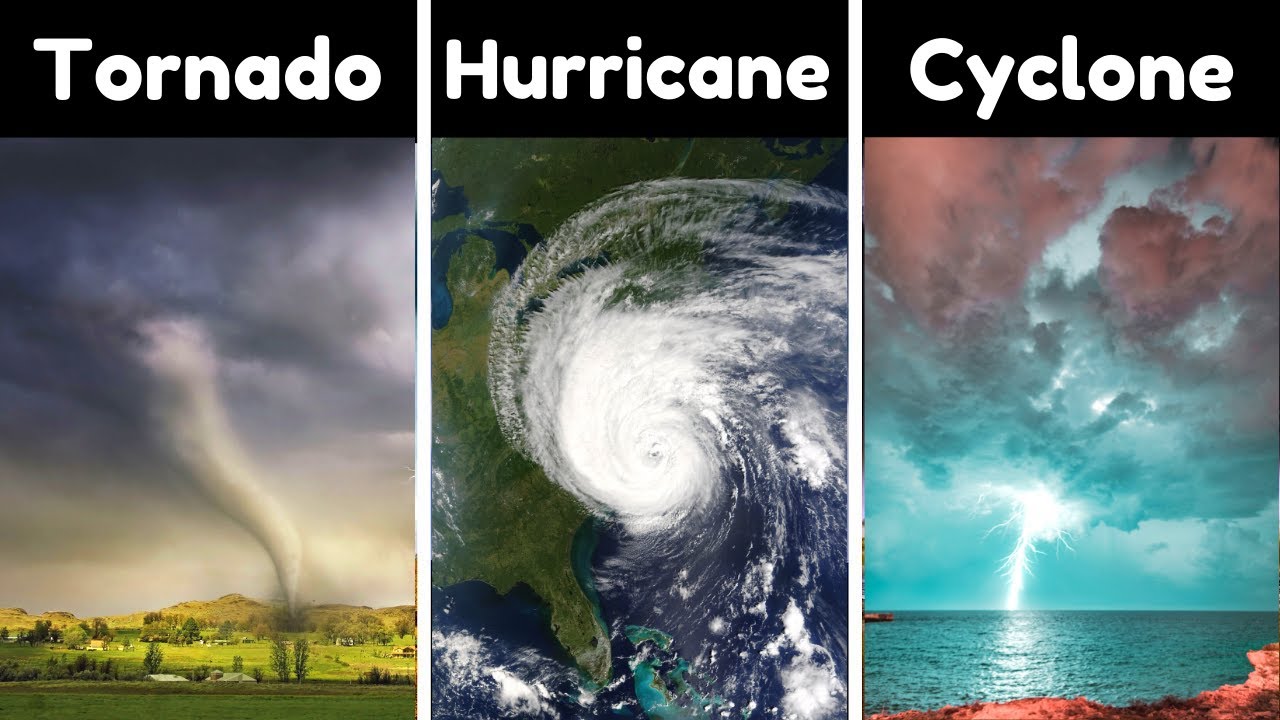
Okay, weather nerds (and those of you who just like a good dramatic sky), let's talk about nature's spin cycle! We're diving headfirst into the swirling world of hurricanes, tornadoes, and cyclones. Think of this as your "Storms for Dummies" guide, but with more enthusiasm and fewer actual dummies.
Ready to rumble? Let’s break these whirling dervishes down!
Hurricane: The Ocean's Tantrum
Imagine the ocean is having a really bad day. Like, "forgot-my-coffee-and-stubbed-my-toe-on-the-way-to-work" kind of bad. That's pretty much a hurricane. These massive storms are the drama queens of the weather world, born over warm ocean waters and fueled by that very water.
Must Read
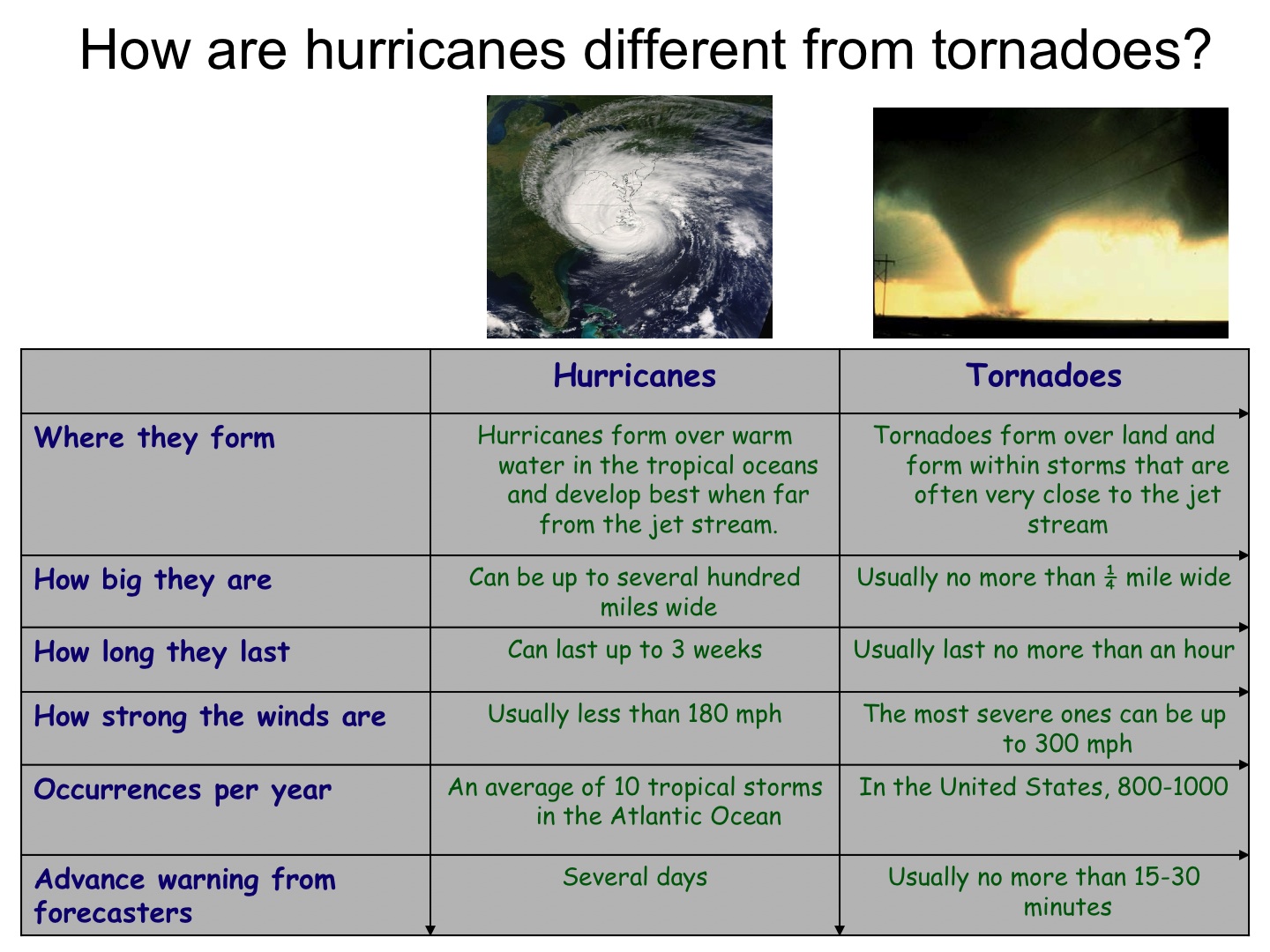
Think of them as giant, swirling espresso blenders churning out wind and rain. Hurricanes are wide, often hundreds of miles across.
They're like that overly dramatic friend who needs a lot of attention. Hurricanes are categorized using the Saffir-Simpson Hurricane Wind Scale, which ranges from Category 1 (a bit grumpy) to Category 5 (utterly apocalyptic).
The eye of the storm? It's the calm center, like the brief moment of peace your brain has before the next stressful thought hits. Just a deceptive, quiet little patch of serenity surrounded by absolute chaos.
And yes, they have different names depending on where they are! In the North Atlantic, Central North Pacific, and Eastern North Pacific, we call them hurricanes.
Cyclone: Hurricane's Cousin From Another Country
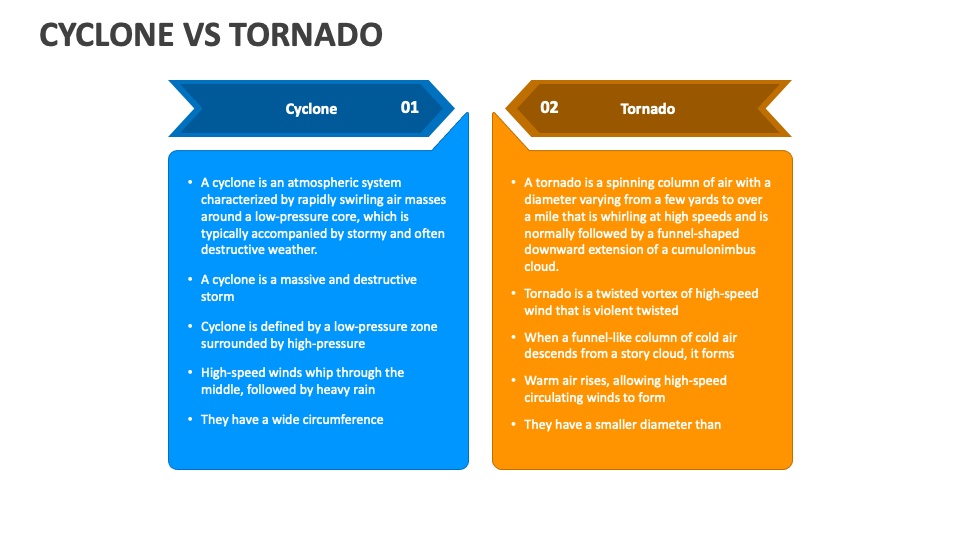
Hold on, what if I told you that you are looking at almost the same thing as a hurricane? But with a fancier name, maybe? Well, that’s basically what a cyclone is.
A cyclone is nothing more than a hurricane by a different name. Specifically, we call them cyclones in the South Pacific and Indian Ocean.
It's like calling your dog "Fluffy" at home but "Sir Reginald Floofington the Third" when you're trying to impress the neighbors. Same fluffy friend, different label.
Just remember the location: if it's swirling over the Indian Ocean or the South Pacific, you're dealing with a cyclone. If it’s in North Atlantic, Central North Pacific, and Eastern North Pacific, it’s a hurricane.
Tropical Cyclone Categories
Similar to hurricanes, cyclones also have categories, depending on what region they are. They also indicate the intensity of the storm.
A good reminder is that the intensity scale might differ depending on the regional meteorological center responsible for tracking them.
Tornado: The Landlocked Whirling Dervish
Now, let's talk about the pocket rocket of the storm world: the tornado. Tornadoes are like nature's way of saying, "Hold my beer and watch this!" They're intense, localized columns of spinning air that connect the ground to a storm cloud, usually a supercell thunderstorm.
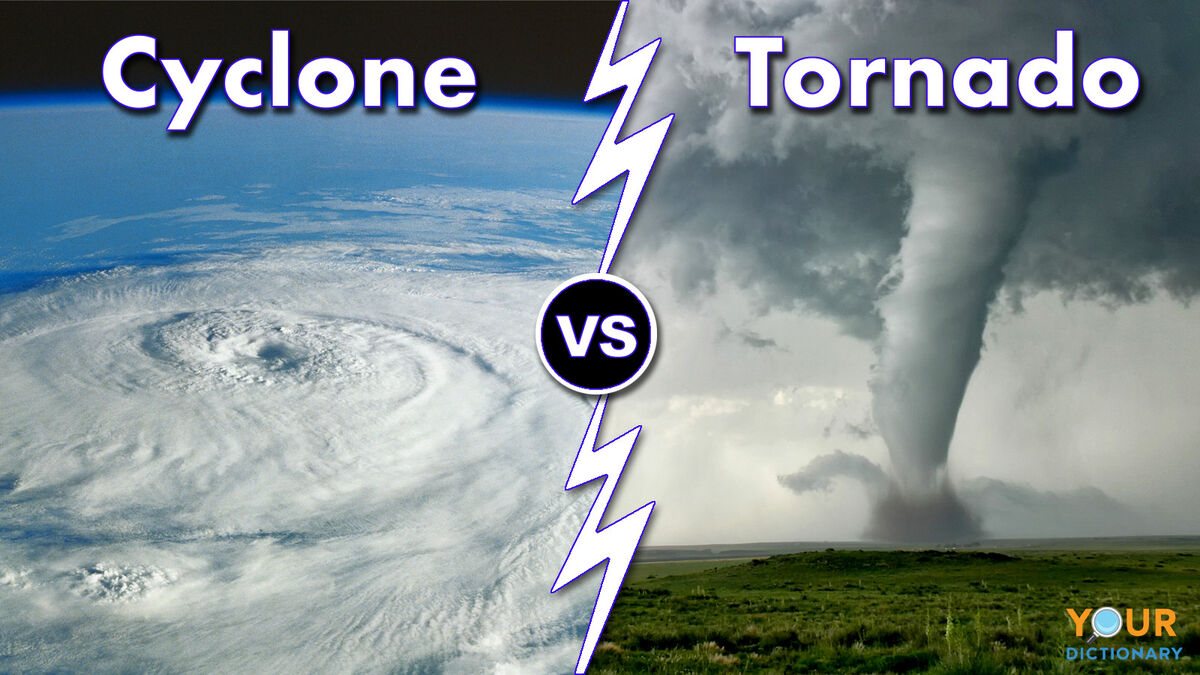
Imagine a ballerina doing a pirouette, but instead of grace, she's got a whole lot of destructive power. Tornadoes are smaller than hurricanes or cyclones.
But don't let their size fool you. What they lack in width, they make up for in sheer, concentrated fury. Tornadoes are rated on the Enhanced Fujita (EF) Scale, from EF0 (a gentle nudge) to EF5 (utter annihilation).
Unlike their ocean-dwelling cousins, tornadoes are landlubbers. They form over land, typically in areas with flat terrain like the American Midwest. Think of them as the cowboys of the weather world – wild, unpredictable, and prone to causing a ruckus.
If hurricanes are like a grumpy giant, tornadoes are like a hyperactive toddler with a penchant for destruction. They appear suddenly, wreak havoc, and disappear just as quickly.
Size Comparison: Think Pizza vs. Donut Hole
Let's put this in perspective with some tasty analogies! A hurricane is like a giant pizza. It's massive, covers a lot of area, and you can share it with a whole bunch of people (though you probably wouldn't want to share this particular pizza).

A tornado, on the other hand, is like a donut hole. Small, concentrated, and packs a surprising amount of sugary punch (or in this case, destructive force). It's small but definitely not harmless.
A cyclone is the same pizza with different toppings that can only be eaten in specific place. Location is key.
Location, Location, Location! The Key to the Puzzle
The biggest difference between these meteorological monsters boils down to location, location, location! Think of it like real estate – where a storm forms determines its title.
Hurricanes hang out in the North Atlantic, Central North Pacific, and Eastern North Pacific. Cyclones prefer the South Pacific and Indian Ocean. And tornadoes are landlocked daredevils of the American Midwest.
So, next time you hear about a massive storm brewing, remember to check its location before slapping a label on it. It's like knowing whether to call your uncle "Uncle Bob" or "Robert" – context is everything!
Spin Direction: A Hemispheric Twist
Here's a fun fact to impress your friends at your next weather-themed party: the direction these storms spin depends on which hemisphere they're in! Blame the Coriolis effect – a force caused by the Earth's rotation.
In the Northern Hemisphere, hurricanes, cyclones, and tornadoes rotate counterclockwise. In the Southern Hemisphere, they spin clockwise. It's like the Earth is giving them a little nudge in different directions.
So, if you ever find yourself caught in a swirling vortex (which hopefully you won't!), take a peek at which way it's spinning. It's a handy way to figure out which hemisphere you're in… or at least distract yourself from the impending doom.
In Summary: They're All Related, But Not Identical
To recap: hurricanes, cyclones, and tornadoes are all powerful, rotating storms. Hurricanes and cyclones are essentially the same thing, just with different names depending on their location.
Tornadoes are smaller, land-based, and pack a concentrated punch. They're the spicy little siblings of the storm world.
Knowing the difference between these storms can help you stay informed and prepared. Plus, it's just plain cool to understand how these powerful forces of nature work. Now go forth and impress everyone with your newfound weather knowledge!
And remember, stay safe out there! No matter what you call them, these storms are forces to be reckoned with.