
Difference Between Hurricane And Tropical Storm
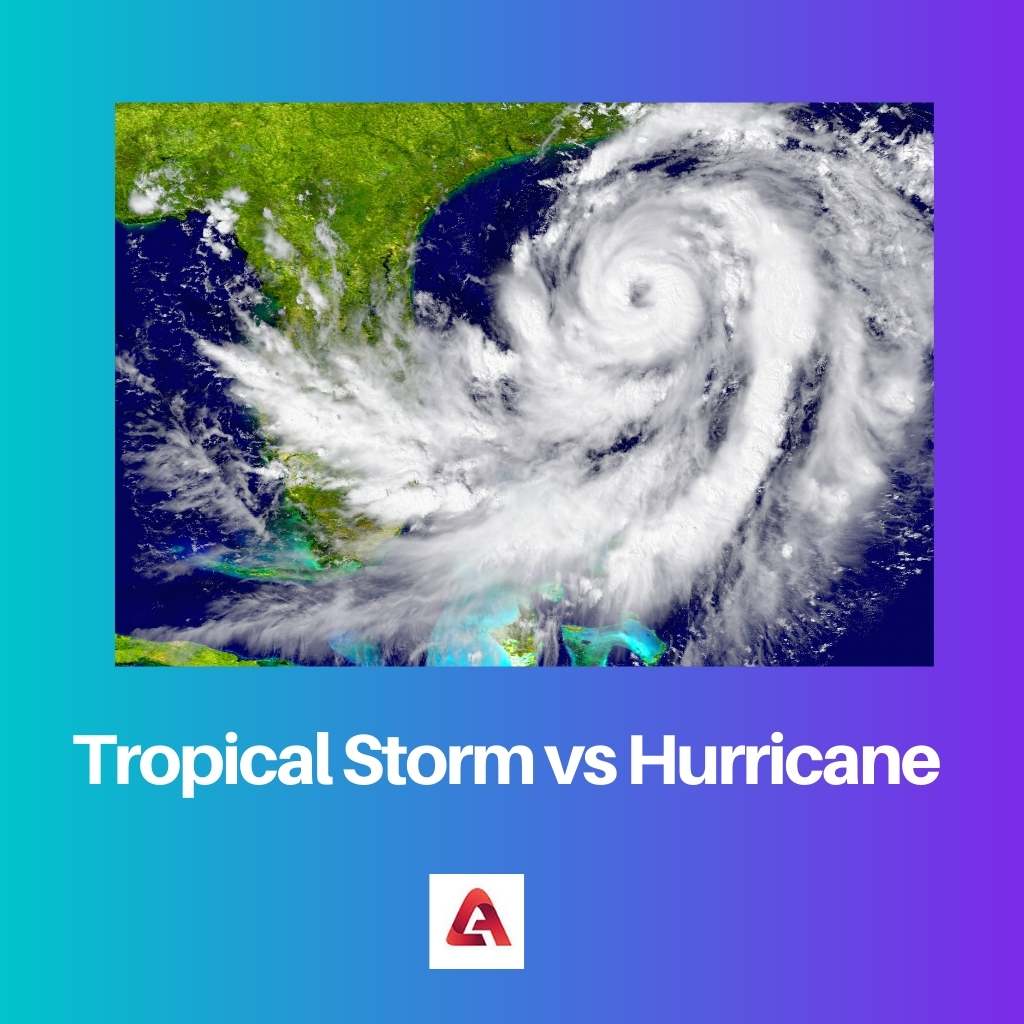
Okay, let's talk about crazy weather! You know, the kind that makes you want to build an ark or at least stock up on enough snacks to last through the apocalypse?
Specifically, we're diving into the difference between a hurricane and a tropical storm. Don't worry, it's not as complicated as quantum physics, even though it can feel that way when your patio furniture is flying around outside!
The Spinning Suspects: Naming Names
First things first, both hurricanes and tropical storms are like giant, swirling weather systems that form over warm ocean waters. Think of them as colossal atmospheric blenders, whipping up wind and rain with reckless abandon.
Must Read
But here's a fun fact: they don't just pop up randomly. Once a storm's wind speeds reach a certain point, it gets a name! Imagine the weather forecasters, "And now, folks, get ready for...Bartholomew!"
This naming convention helps us track these storms and communicate warnings more effectively. It's way easier to say "Hurricane Brenda is coming!" than "That unnamed, incredibly destructive weather phenomenon is headed our way!"
Wind Speed: The Real Dealbreaker
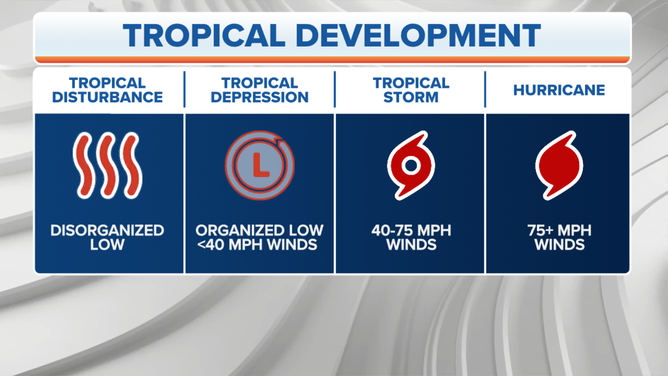
The primary difference between a tropical storm and a hurricane boils down to one crucial factor: wind speed. It's like the speed limit on the highway of atmospheric chaos.
A tropical storm is a spinning weather system with sustained winds between 39 and 73 miles per hour. That's pretty darn windy! Imagine driving down the highway with someone holding a giant leaf blower out the window.
When those winds ramp up to 74 miles per hour or higher, buckle up, buttercup! We've officially entered hurricane territory. That's like swapping the leaf blower for a jet engine. Things are about to get real!
Categorizing the Chaos: The Saffir-Simpson Scale
Once a storm reaches hurricane status, it's further classified using the Saffir-Simpson Hurricane Wind Scale. This scale ranks hurricanes from Category 1 to Category 5, based on their maximum sustained wind speeds.
A Category 1 hurricane has winds between 74 and 95 mph. This is still a serious storm, capable of causing damage to trees, power lines, and poorly constructed buildings. Think of it as the "polite but persistent" hurricane.
Now, let's jump to the other end of the spectrum. A Category 5 hurricane boasts winds of 157 mph or higher. This is the "hold on to your hats (and everything else)" category. Catastrophic damage is practically guaranteed.
We're talking about the kind of winds that can tear roofs off houses, uproot trees, and turn debris into deadly projectiles. Thankfully, these are relatively rare, but they are a force to be reckoned with.
Rain, Rain, Go Away (Actually, Please Don't)
While wind speed is the defining factor, both tropical storms and hurricanes can unleash torrential rainfall. We're talking about biblical-level floods, people!

This heavy rain can lead to widespread flooding, both inland and along the coast. It can inundate homes, businesses, and infrastructure, making travel impossible and causing significant property damage. Think of your local river deciding to visit your living room.
Storm surge, which is an abnormal rise in sea level during a storm, is another major concern. It's like the ocean decides it's had enough of staying put and wants to explore the mainland.
This surge of water can inundate coastal areas, causing widespread flooding and erosion. It can also damage or destroy buildings, roads, and other infrastructure. Imagine your beach house suddenly becoming an aquarium.
Size Matters (Sort Of)
While not a defining factor, the size of a tropical storm or hurricane can also play a role in its impact. A larger storm will affect a wider area, potentially leading to more widespread damage.
However, a smaller, more intense storm can still cause significant damage if it makes a direct hit on a populated area. It's not always about size; it's about location, location, location!
Think of it like this: a small, focused laser beam can cut through steel, while a larger, less focused beam might just warm things up a bit. Intensity trumps size in many cases.
The Takeaway: Be Prepared, Not Scared
So, what's the key takeaway from all of this? Hurricanes are generally more powerful and destructive than tropical storms, but both can pose significant threats. The most important thing is to be prepared.
Pay attention to weather forecasts, heed warnings from local authorities, and have a plan in place in case a storm is headed your way. It's always better to be safe than sorry!
Stock up on essential supplies like food, water, medication, and a flashlight. Have a designated safe room in your home. Know your evacuation routes.
And remember, even if you don't live in an area prone to hurricanes or tropical storms, it's always a good idea to be prepared for severe weather. Mother Nature can be unpredictable!
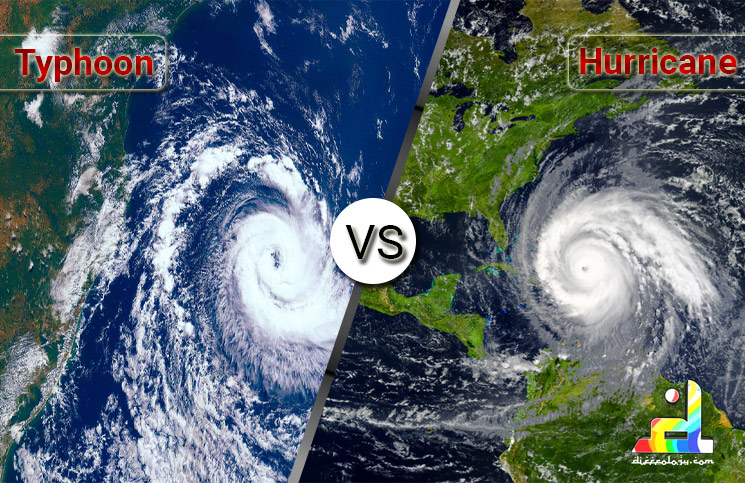
So, the next time you hear about a tropical storm or a hurricane brewing in the Atlantic or the Pacific, you'll know exactly what's going on. You'll be able to impress your friends with your newfound weather knowledge. And most importantly, you'll be prepared to weather the storm!

Stay safe, stay informed, and remember to keep a healthy dose of humor handy. After all, laughter is the best medicine, even when the weather is trying to drive you crazy.
Remember, knowledge is power! Knowing the difference between a tropical storm and a hurricane empowers you to make informed decisions and take appropriate action to protect yourself and your loved ones.
So, go forth and conquer the world...or at least be prepared for the next big storm! And hey, maybe you can even start your own weather-themed board game. "Hurricane Havoc," anyone?
Now, if you'll excuse me, I'm going to go check the weather forecast and make sure my emergency snack stash is fully stocked. You never know when you might need a chocolate bar to get you through a Category 5 crisis!
Stay awesome, weather warriors! And remember, even the darkest storm clouds eventually give way to sunshine. So keep your chin up, and keep smiling. You've got this!
And one last thing: don't forget to thank your local meteorologists! They're the unsung heroes of the weather world, keeping us informed and helping us stay safe. Give them a shout-out on social media or bake them a cake. They deserve it!