
Difference Between Ferrous And Non Ferrous Metals
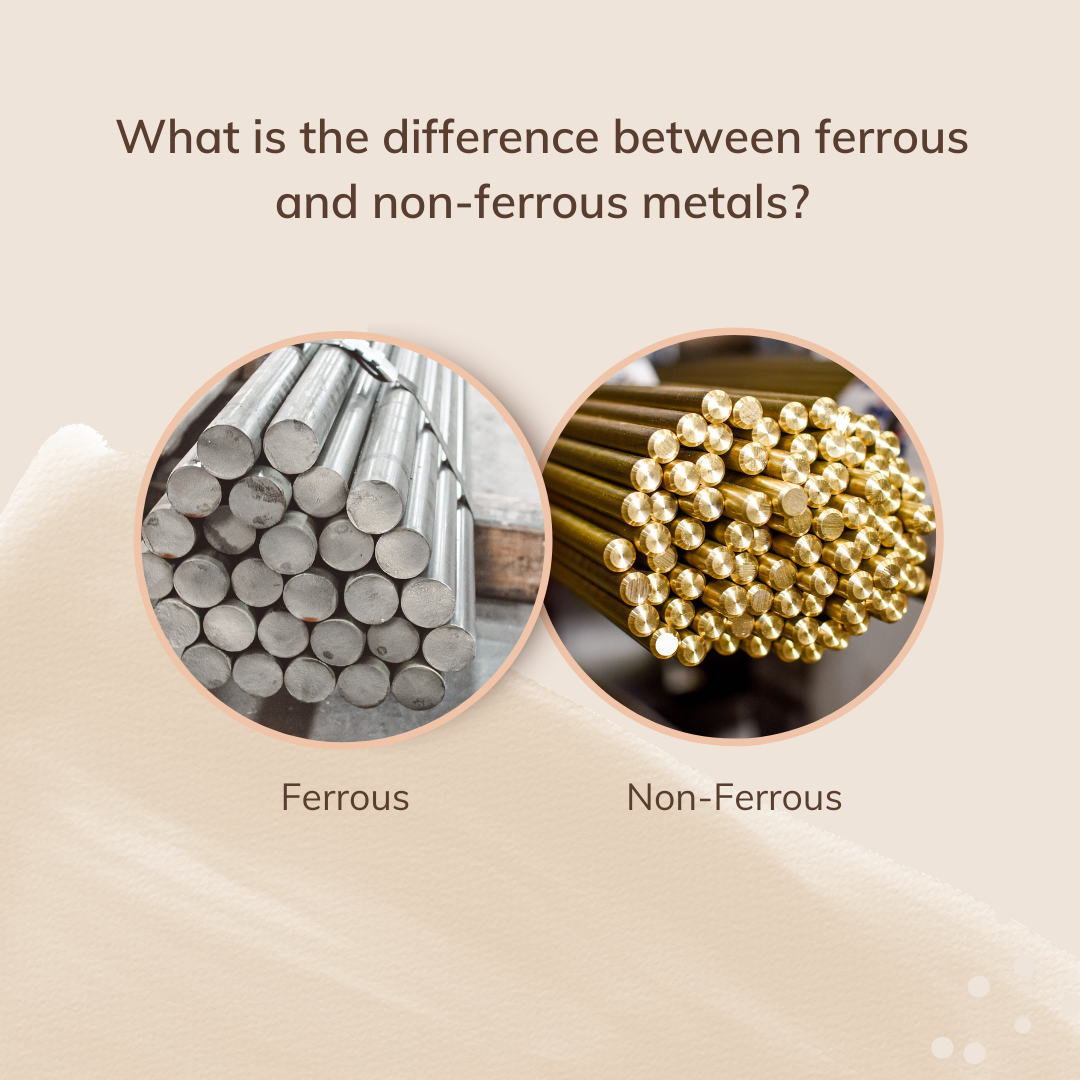
Alright, gather 'round, gather 'round! Let's talk metal! No, not Metallica (though they’re pretty ferrous in their dedication). We’re talking about the actual elements, the stuff your car, your fridge, and probably your very chair is made of. Specifically, the difference between ferrous and non-ferrous metals.
Think of it like this: Imagine a bouncer at a metal nightclub. His name is... I don't know... Rustin' Nail? And his job is to check if metals have the "iron pass." If they do, they're in the "Ferrous Funhouse!" If not, they're chilling in the "Non-Ferrous Nirvana" lounge. Okay, maybe I’m stretching the metaphor, but stick with me!
Ferrous Metals: The Rusty Rejects (Just Kidding!)
Ferrous metals are the ones that contain a significant amount of iron. Iron, my friends, is like the peanut butter of the metal world – it gets mixed into everything! The most well-known example is, of course, steel. Steel is iron's cooler, stronger, and more versatile cousin. Other examples include cast iron and wrought iron. You might find these in your cookware, your building's structure, or even that medieval suit of armor you always wanted (don’t lie!).
Must Read
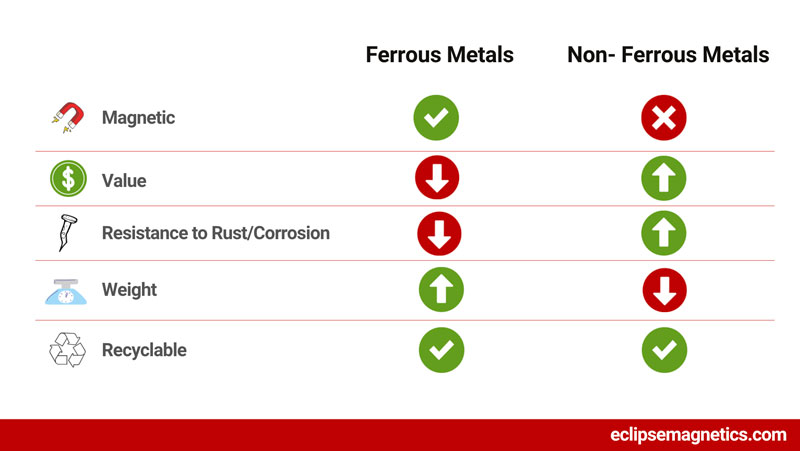
The big giveaway? They're magnetic! Try sticking a magnet to it. Does it cling like a lovesick octopus? Then it's probably ferrous. This magnetic property makes them super useful for, say, electromagnets, which are crucial in motors, generators, and those fancy Maglev trains that zoom along at ridiculous speeds. Just picture yourself whizzing past traffic jams while everyone else is stuck in metal boxes – thanks, ferrous metals!
But there's a downside, and Rustin' Nail isn't gonna like this. Ferrous metals are susceptible to rust! Yes, the dreaded orange plague that slowly devours your precious metal possessions. Iron reacts with oxygen and water, creating iron oxide (that's rust, folks!). Think of it as the metal equivalent of getting sunburned, but way, way worse. It’s why your old car might look like it’s wearing a rusty toupee after a few years. But don't despair! There are ways to combat rust, like protective coatings and alloys (mixing metals together, the metal world's version of couples therapy).
Non-Ferrous Metals: The Shiny, Rust-Proof Crew
Now, let's head over to the "Non-Ferrous Nirvana" lounge. These are the metals that contain little to no iron. Think of them as the divas of the metal world. They're often showier, more resistant to corrosion, and sometimes even more valuable. Aluminum, copper, lead, tin, zinc, gold, silver, platinum… the list goes on! It's a VIP party in here!
Want to know if something is non-ferrous? Simple. Grab that magnet again. Does it act like you’re trying to high-five a grumpy cat? Then congratulations! You've got yourself a non-ferrous metal. This lack of magnetic mojo makes them ideal for things like electronics and applications where electromagnetic interference is a no-no.

These metals are far more resistant to rust. Copper, for example, develops a greenish patina over time – think of the Statue of Liberty. It’s not rusting; it's developing a sophisticated "I've been around the block" vibe. Aluminum forms a thin layer of oxide that actually protects the metal from further corrosion. It’s like it's wearing its own tiny suit of armor. And gold? Well, gold just doesn't care. It's gold! It's too busy being shiny and valuable to bother with rust. Seriously, have you ever seen rusty gold jewelry? Didn't think so!
Non-ferrous metals also tend to be more malleable and ductile, which means they can be easily shaped and drawn into wires. This makes them essential for electrical wiring and creating intricate designs. Try bending a steel rod into a paperclip. Not so easy, is it? Now try bending a copper wire. Much better! (But be careful, kids! Don't go sticking wires into sockets!).

The Metal Matchup: Why Choose One Over the Other?
So, which metal is "better?" It depends entirely on the job! Ferrous metals are strong, relatively inexpensive, and perfect for things like structural support. But they can rust. Non-ferrous metals are corrosion-resistant, more conductive, and often lighter, but they can be pricier. Think of it like this: Would you use a Ferrari to haul lumber? Probably not. Would you use a dump truck to win a Formula One race? Definitely not. They both have their strengths!
Ultimately, both ferrous and non-ferrous metals play vital roles in our modern world. They're the building blocks of our technology, our infrastructure, and even our art. So, the next time you see a piece of metal, take a moment to appreciate the amazing properties that make it so useful. And remember Rustin’ Nail, the metal nightclub bouncer. He's probably busy separating the iron-containing metals from the rest, ensuring that everyone has a good time in their respective lounges. Just… try not to spill any water on the ferrous guys, okay?
