Difference Between Direct Cost And Indirect Cost
Ever wondered where your money really goes? It's surprisingly fascinating to break down how things are priced, and that's where understanding direct and indirect costs comes in! Think of it like detective work, uncovering the hidden ingredients that make up the final price tag. Knowing this stuff isn't just for business whizzes; it's super useful for everyday life, from budgeting to understanding why that handmade sweater costs more than one from a department store.
Why should you care? Well, for beginners, it demystifies the world of finance. It shows that there's a logical reason behind price differences. For families, understanding these costs can help with budgeting. Knowing where your money goes allows you to make informed decisions on what you value, where you can cut back, and what's worth spending a little extra on. And for hobbyists? Let's say you're into crafting. Knowing the difference between direct costs (like the yarn) and indirect costs (like the electricity to power your sewing machine) is crucial for pricing your handmade creations fairly.
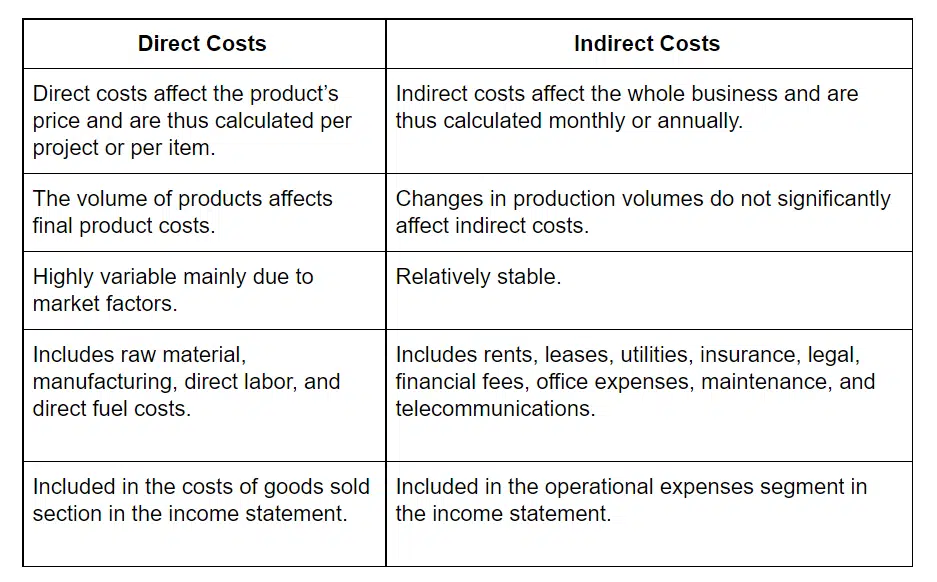
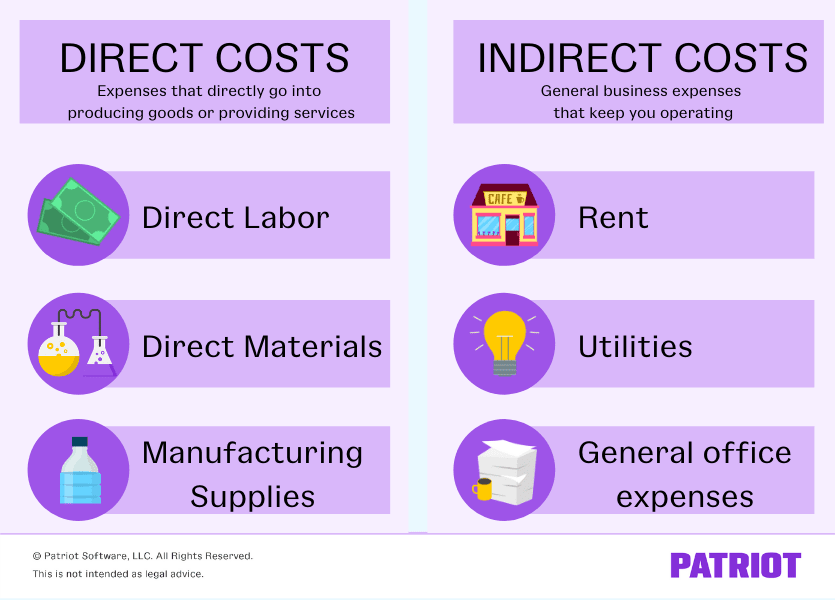
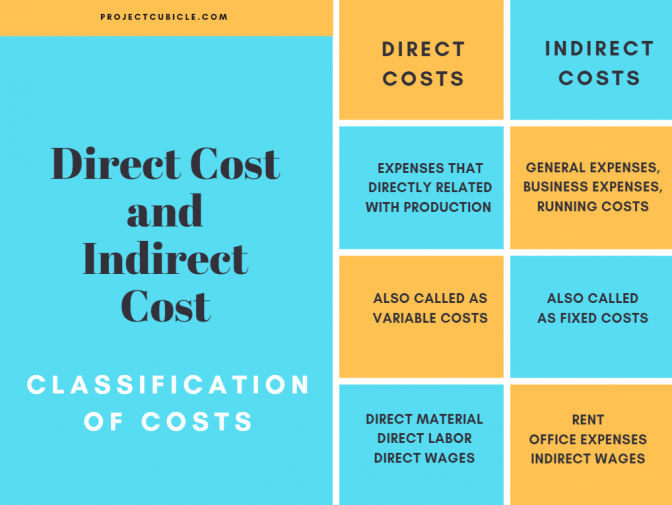
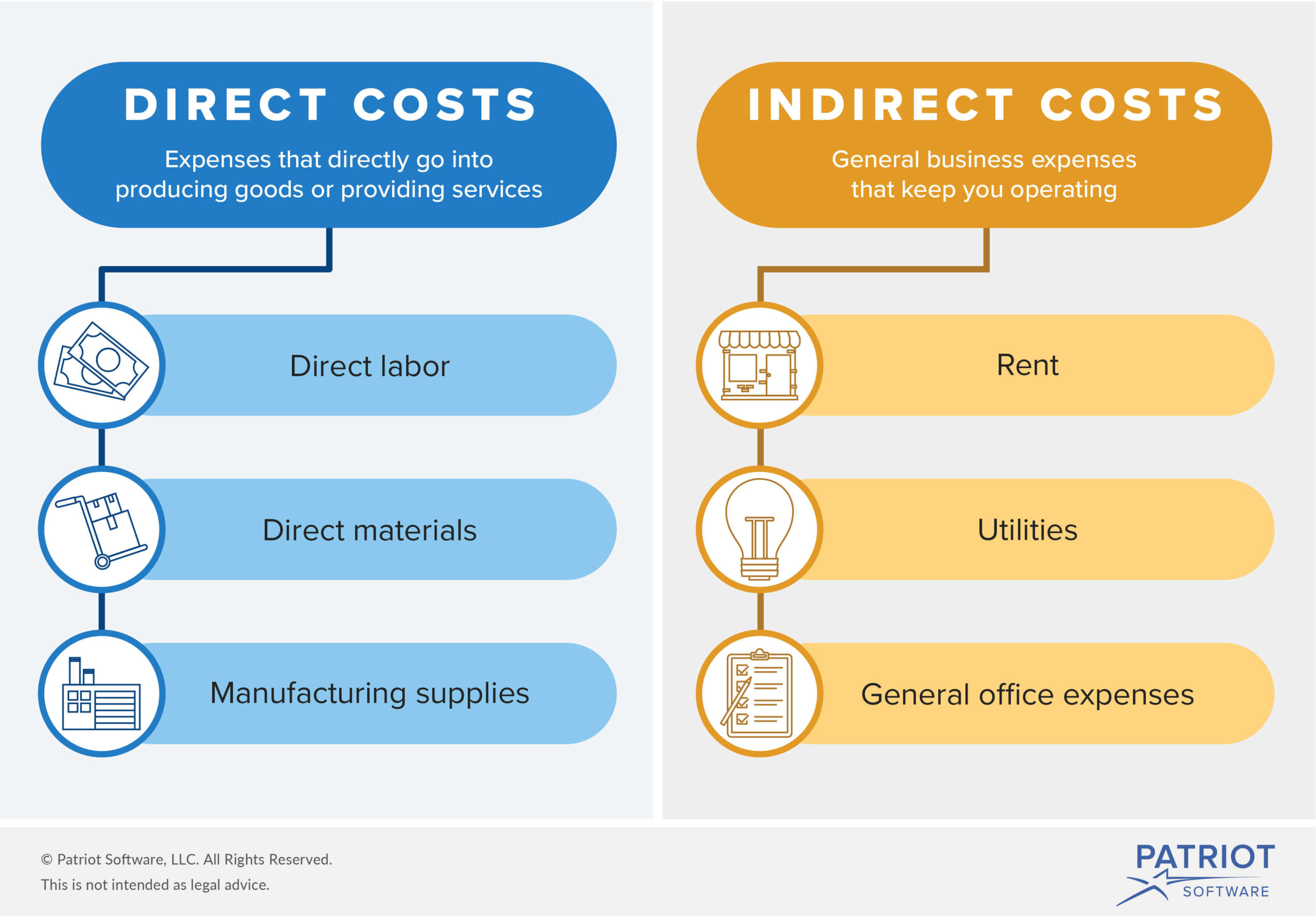
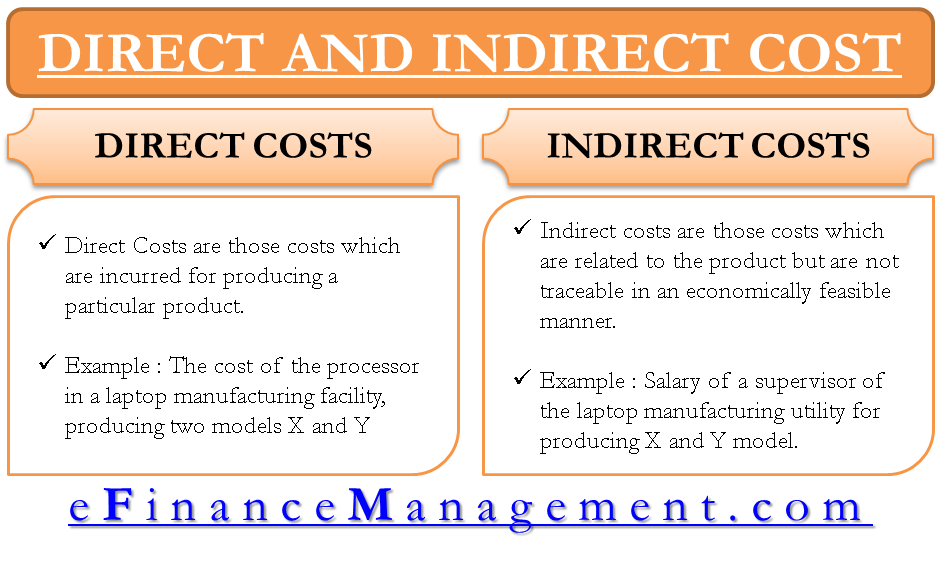
So, what's the big difference? Direct costs are easily traceable to a specific product or service. They're the "hands-on" costs. Think of the flour, sugar, and eggs in a cake. That's all directly part of making the cake. Indirect costs, on the other hand, are costs that are necessary to run the business or create the product but aren't directly tied to one specific item. They're often shared across multiple products or services. Examples of indirect costs include the rent for the bakery, the salary of the store manager, or the cost of advertising.
Must Read
Let's break it down with more examples. Imagine you're building a birdhouse. The wood, nails, and paint are all direct costs. They're physically going into the birdhouse. The electricity for your power tools, the rent for your workshop space (if you have one), and the cost of your online ad promoting your birdhouses? Those are indirect costs. They support the whole process, but aren't part of the birdhouse itself.
Here's another variation. Consider a tutoring service. The tutor's hourly wage for a specific student is a direct cost. The cost of the tutoring center's lease, the internet bill, and the marketing expenses are indirect costs. These indirect costs are essential for running the business and attracting students, but they are not directly attributable to any one student.
Getting started is easier than you think! Start by simply listing all the costs associated with something you do regularly, whether it's making dinner or pursuing a hobby. Then, ask yourself: "Can I easily trace this cost to this specific activity?" If the answer is yes, it's likely a direct cost. If the answer is no, it's probably an indirect cost. Don't worry about being perfect; the goal is to start thinking about costs in a more structured way. Another practical tip: use a spreadsheet or notebook to track your expenses. This will help you visualize your spending and identify both direct and indirect costs more easily.
Understanding direct and indirect costs is more than just accounting jargon. It's about gaining control over your finances, making informed decisions, and appreciating the true value of things. Whether you're a budget-conscious family, a passionate hobbyist, or simply curious about how the world works, learning to distinguish between these two types of costs is a skill that will pay off in more ways than one. It's like unlocking a secret code to better understand the prices we pay and the choices we make!