
Difference Between Deep Cycle And Normal Battery

So, you're thinking about powering your off-grid cabin, upgrading your RV, or just ensuring your trusty golf cart is always ready for a spin. Excellent! But before you dive headfirst into the world of batteries, let's tackle a question that often leaves folks scratching their heads: what's the real difference between a deep cycle battery and a "normal" car battery?
Think of it like this: a car battery is the Usain Bolt of the battery world. It's designed for a quick burst of energy to start your engine, then it chills while the alternator takes over. A deep cycle battery, on the other hand, is more like a marathon runner. It delivers a steady stream of power over a long period, and it's built to be discharged and recharged repeatedly without losing its mojo.
The Nitty-Gritty: Construction & Purpose
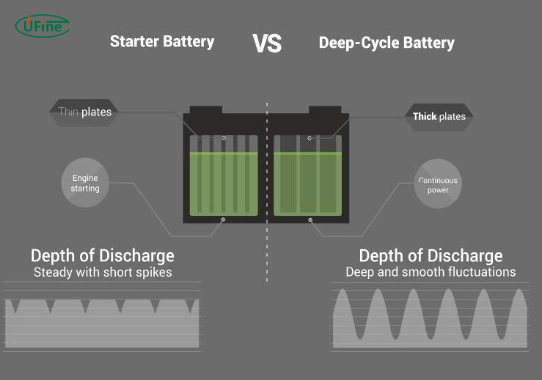
The key difference lies in their construction. Car batteries, also known as starting batteries (or SLI batteries – Starting, Lighting, and Ignition), have a large number of thin plates. This maximizes the surface area, allowing them to deliver a powerful jolt of current in a short amount of time. Imagine a flashbulb – bright, intense, but fleeting.
Must Read
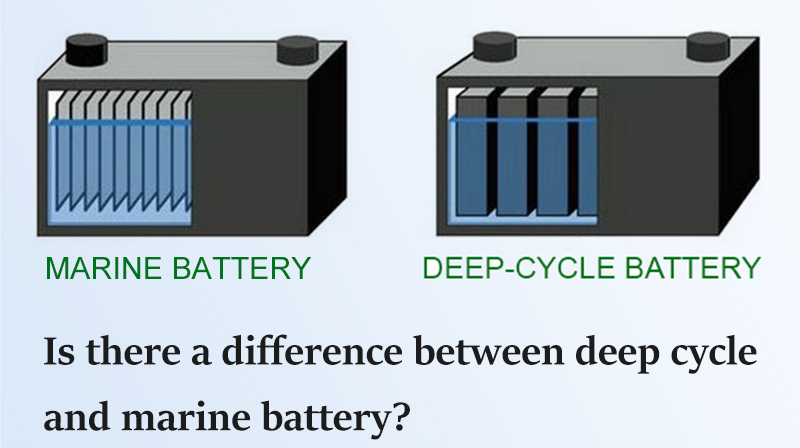
Deep cycle batteries, conversely, have thicker plates and a denser active material. This allows them to withstand deep discharges (using a large percentage of their capacity) without damaging the battery. Think of a steady, reliable light source – constant and dependable, like the lamp powering a late-night study session.
Fun Fact: The term "deep cycle" actually refers to the ability of the battery to be discharged to a low state of charge and then recharged hundreds, even thousands, of times.
Deep Dive into Deep Cycle Applications
Where do you typically find these long-distance powerhouses? Here are a few examples:
- RVs and Campers: Powering lights, appliances, and entertainment systems while off the grid.
- Boats: Running trolling motors, navigation equipment, and onboard electronics.
- Solar Power Systems: Storing energy generated by solar panels for later use.
- Electric Vehicles: Golf carts, electric wheelchairs, and other battery-powered vehicles.
- Emergency Power Systems: Providing backup power during outages.
Basically, anywhere you need a sustained, reliable power source, a deep cycle battery is your best bet.
The Downside of Deep Discharge (And How to Avoid It)
While deep cycle batteries are designed to handle deep discharges, it's still crucial to avoid completely draining them. Repeatedly discharging a deep cycle battery to 0% can significantly shorten its lifespan. Think of it like repeatedly bending a paperclip – eventually, it'll snap.
Pro Tip: Aim to discharge your deep cycle battery to no more than 50% of its capacity for optimal longevity. Invest in a battery monitor to keep track of your battery's state of charge.
"Normal" Batteries: The Starting Lineup
So, where do "normal" batteries shine? Well, they're your everyday workhorses. They're designed for that quick burst of power needed to start your car, truck, or motorcycle. They're also used in some lawnmowers and other small engine applications. They're generally cheaper than deep cycle batteries, but they're not designed to be deeply discharged.
Cultural Reference: Remember the Tortoise and the Hare? "Normal" batteries are like the Hare – fast off the line, but quickly exhausted. Deep cycle batteries are the Tortoise – slow and steady, winning the race in the long run.

Choosing the Right Battery: A Practical Guide
Okay, so how do you decide which type of battery is right for you? Ask yourself these questions:
- What am I powering? If it's a high-drain device that needs a sustained power supply, go with a deep cycle.
- How often will I be discharging the battery? If you plan to discharge it deeply and frequently, a deep cycle is the only sensible choice.
- What's my budget? Deep cycle batteries are generally more expensive than starting batteries, so factor that into your decision.
Bold Advice: Don't try to use a car battery in a deep cycle application! You'll end up damaging the battery and shortening its lifespan, costing you more money in the long run.
A Little Reflection
In the grand scheme of things, the choice between a deep cycle and a "normal" battery mirrors many decisions we face in life. Do we prioritize a quick burst of energy or a sustained, reliable effort? Sometimes we need that instant gratification, that adrenaline rush. Other times, we need the stamina and resilience to see things through. Understanding the differences allows us to choose the right tool for the job, whether it's powering our off-grid adventures or simply navigating the challenges of daily life. Choose wisely, power on!