Difference Between Cyclone And Tornado And Hurricane
Ever watched a nature documentary and heard terms like cyclone, tornado, and hurricane tossed around? They all sound scary, right? Well, they are! But they're also fascinating. Think of them as nature's wildest dance-offs, each with its own style and personality. Let's break down these swirling superstars of weather!
Hurricane: The Ocean's Fury
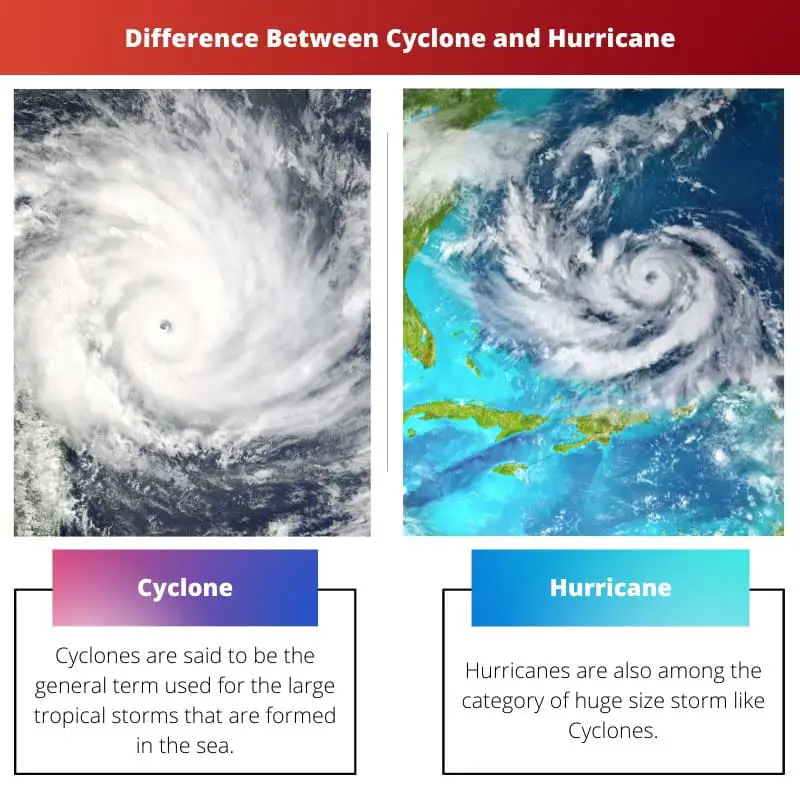
Imagine a giant, watery disco party. That’s kinda what a hurricane is. It starts over warm ocean waters, usually near the equator. The warm, moist air rises and begins to spin. This spinning gets faster and faster, drawing in more warm air. It’s like a snowball rolling downhill, only instead of snow, it’s a vortex of wind and water!
Hurricanes are HUGE. We're talking hundreds of miles across! They pack winds that can flatten houses and cause massive flooding. The center, called the eye, is deceptively calm. It's like the quiet in the middle of a really crazy party. Then BAM! The other side of the storm hits you.
Must Read
What makes hurricanes so special? Their sheer size and lifespan. They can travel for thousands of miles and last for days, even weeks! They're powerful enough to change coastlines and leave a lasting impact. And let's be honest, watching those satellite images is strangely captivating. They look like swirling, hypnotic monsters from space.
"Hurricanes are nature's reminder of the awesome power of the planet!"
Cyclone: Hurricane's International Cousin
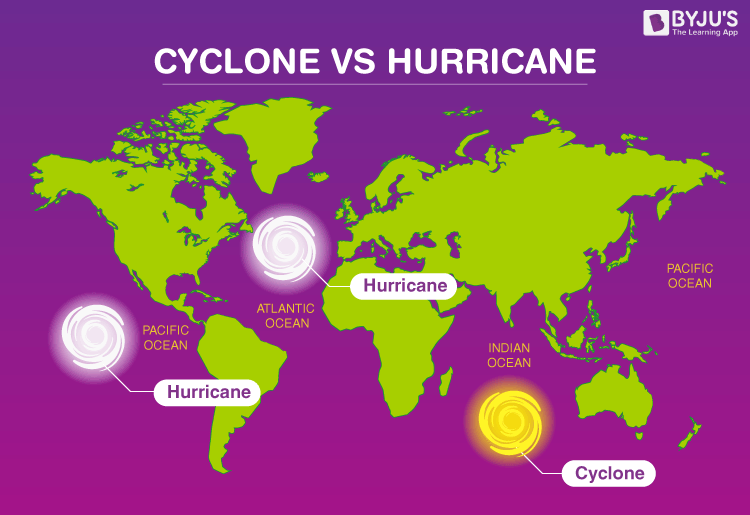
Here's a fun fact: a cyclone is essentially the same thing as a hurricane! Think of it as a regional nickname. If this whirling dervish happens in the Indian Ocean or the South Pacific, they call it a cyclone. So, same storm, different outfit! It's like Superman and Clark Kent – same guy, different costume depending on the job.
Cyclones, just like hurricanes, bring devastating winds, torrential rain, and storm surges (a wall of water pushed ashore). They’re nothing to mess with! They also teach us about the interconnectedness of our planet. The weather in one part of the world can affect conditions thousands of miles away. Pretty cool, huh?
Tornado: The Land-Based Twister
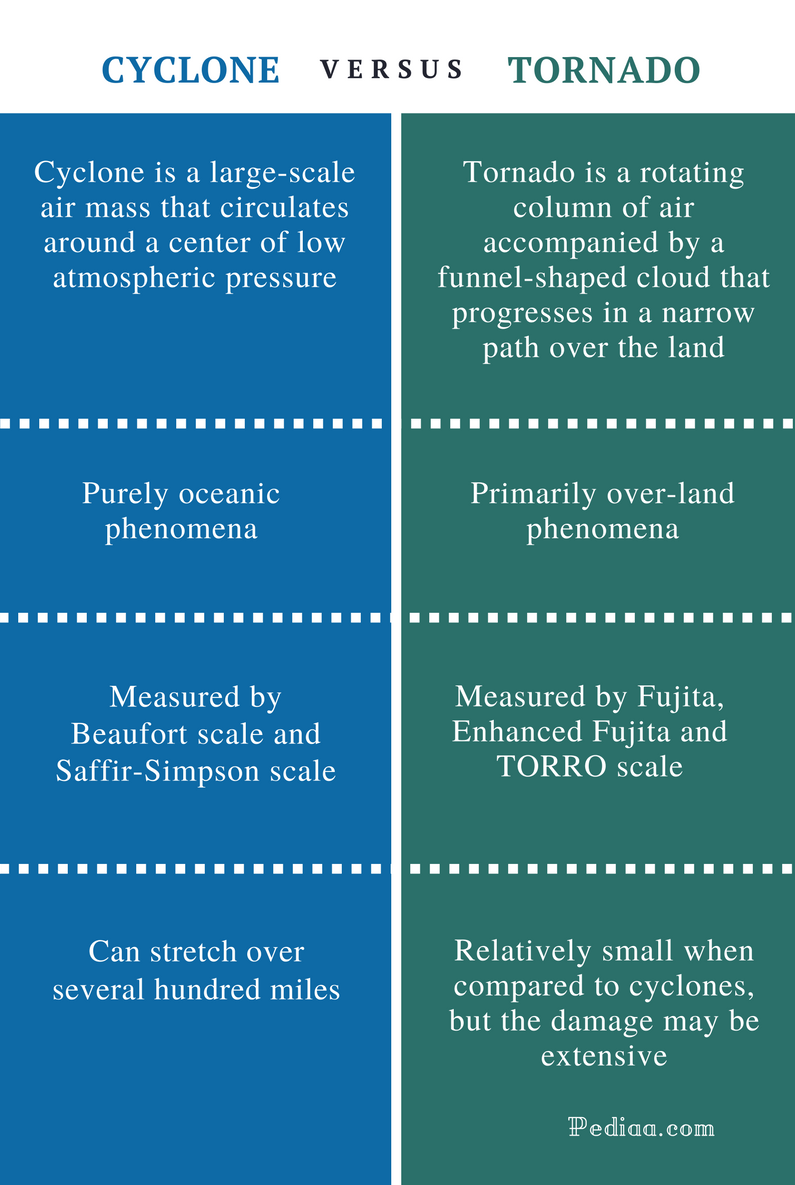
Now, let's talk about the rockstar of rapid rotation – the tornado! Unlike hurricanes and cyclones, which are born over the ocean, tornadoes are land-based. They form from severe thunderstorms, specifically supercell thunderstorms. These are thunderstorms that have a rotating updraft called a mesocyclone.
Imagine a giant drain in the sky. That's sort of what a tornado looks like. It's a violently rotating column of air that touches both the ground and a cloud. They're often funnel-shaped, but can also be rope-like, wedge-shaped, or even invisible! The only way to know it's there is by the debris swirling around.
Tornadoes are much smaller than hurricanes or cyclones, typically only a few hundred yards wide. But don't let their size fool you! They pack winds that can exceed 300 mph! These are the fastest winds on Earth! A strong tornado can lift cars, level houses, and even uproot trees. Think of it as nature's demolition crew, only way more dramatic.

What makes tornadoes so amazing? It's their unpredictability and intensity. They can appear suddenly and disappear just as quickly. Chasing tornadoes is a risky business, but the stunning power on display is a sight to behold (from a safe distance, of course!). Plus, who doesn't love watching storm chasers on TV? It's pure adrenaline!
"Tornadoes are like nature's temper tantrums. Short-lived, but incredibly powerful!"
So, What's the Big Difference?
Here's the quick rundown: Hurricanes and cyclones are the same type of storm, just with different names depending on their location. They're born over warm ocean waters. Tornadoes, on the other hand, are land-based and form from severe thunderstorms. They are much smaller and shorter-lived, but can be incredibly intense.
All three are powerful weather events that deserve respect. Understanding them is key to staying safe and appreciating the incredible forces of nature. Now, go impress your friends with your newfound weather knowledge! And maybe keep an eye on the sky... just in case.