
Difference Between Condo And Apartment And Townhouse

Okay, real talk for a sec. I once had a friend, let's call her Maya, who was absolutely beaming because she'd found this amazing apartment for sale. She kept talking about the shared pool, the gym, and how she couldn't wait to decorate her "apartment." Then her real estate agent gently corrected her, "Maya, this is a beautiful condo you're looking at." Maya’s face went from beaming to utterly bewildered. "Wait, it's in a building, it has neighbors, it feels like an apartment… what's the big difference?"
Sound familiar? You're not alone, my friend. The world of real estate loves to throw around terms like "condo," "apartment," and "townhouse" as if everyone inherently knows the nuances. Spoiler alert: most of us don't, or at least we get a little fuzzy around the edges. But fear not, because we're about to demystify this whole thing so you can strut into your next property search knowing exactly what you're talking about. Or at least, you'll sound like you do.
The Apartment Vibe: Just Chillin' and Rentin'
Let's kick things off with the one most of us are probably familiar with: the good old apartment. When you hear "apartment," your brain should immediately yell, "RENTAL!"
Must Read
An apartment is essentially a living unit within a larger building, owned by a single entity – usually a corporation, an investment group, or a private landlord. And here's the kicker: you don't own it. You rent it. You sign a lease, you pay your monthly dues, and you get to enjoy a place to live without the headaches of ownership. Think of it as the ultimate commitment-phobe's dream. Or, you know, just a practical living arrangement for many.
The Perks: Got a leaky faucet? Not your problem! HVAC acting up? Call the landlord! Snow needs shoveling? Guess who's not doing it? (Hint: it's not you.) Your responsibilities usually stop at keeping your unit tidy and not bothering the neighbors too much. There’s a certain freedom in that, isn’t there?
The Downside: You can't really paint the walls shocking pink without permission (and usually, you'll have to paint them back). No equity building. And those rent checks? They're just… gone. But hey, flexibility!
Condo Confidential: Ownership with Neighbors Attached
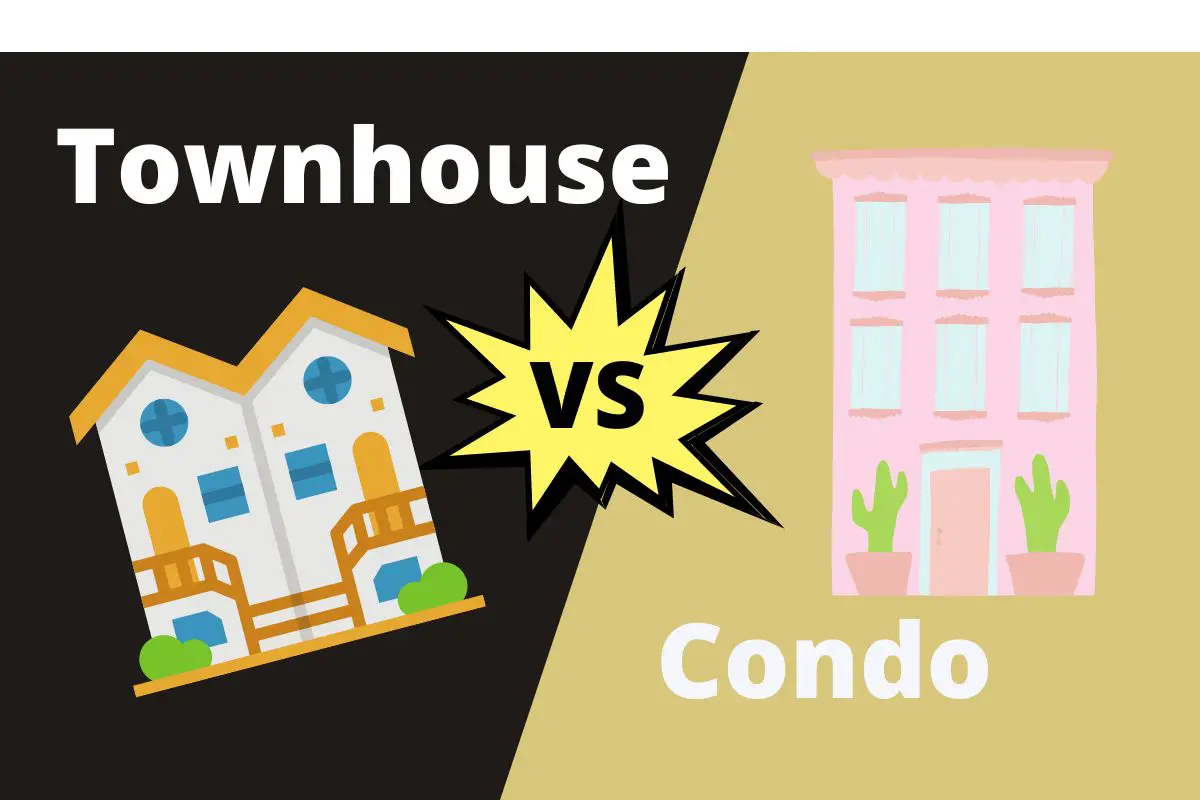
Now, let's talk about the condo (short for condominium). This is where Maya got stumped, and it's super common. A condo can often look exactly like an apartment building. Seriously, visually, you might not be able to tell the difference.
The massive differentiator? Ownership.
With a condo, you own your individual unit. That's right, it's yours! You get a deed, you pay a mortgage (if you have one), and you can paint those walls shocking pink if you want (usually). But here's the twist: you don't own the land the building sits on, nor do you own the exterior walls, the roof, the hallways, the elevators, or that fabulous shared pool. Those are all "common areas" that are jointly owned by all the condo owners in the building.
The Price of Luxury (and Shared Walls): Because you're sharing all those common spaces and amenities, you pay monthly Homeowner's Association (HOA) fees. These fees cover the maintenance, repairs, and insurance for those shared areas – think landscaping, pool cleaning, roof repairs, maybe even a concierge service. It's like having your cake and splitting the cost of the frosting. And sometimes, a huge special assessment if the roof needs replacing. So, choose your HOA wisely!
In short: It's apartment-style living, but you're the owner, not the renter. You get the community amenities without the full responsibility of a detached house. It’s a pretty sweet deal for many first-time buyers or those looking to downsize.
Townhouse Tales: A Little More Land, Please!
Finally, we arrive at the townhouse. This is often seen as the bridge between apartment/condo living and a detached single-family home. Think of it as that sweet spot if you want a little more space and a patch of grass without the full "house on a massive lot" drama.

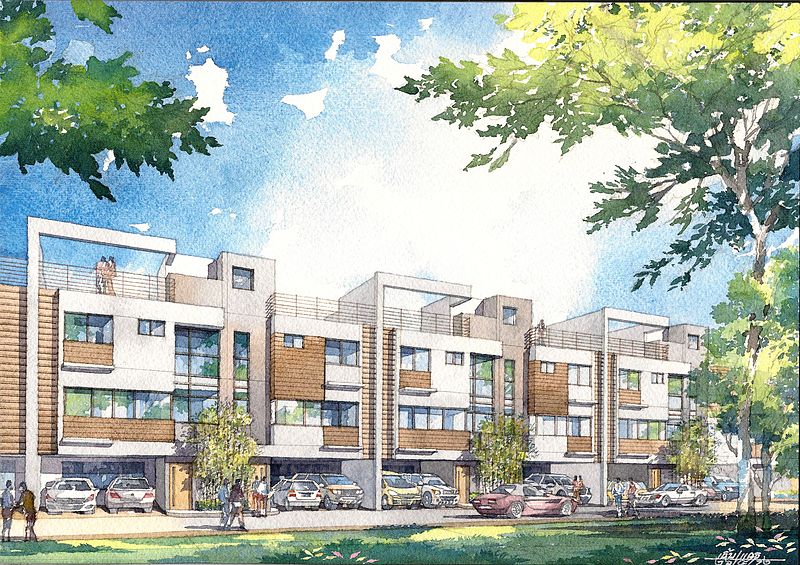
A townhouse is typically a multi-story home that shares one or two walls with neighboring homes. They often have their own private entrance and, crucially, you usually own the land directly beneath your unit and often a small front or backyard plot.
The Best of Both (ish) Worlds: Because you own the land, you get a bit more autonomy. You're typically responsible for your own roof, exterior, and yard maintenance. That means if your roof starts leaking, it's on you (or your insurance, hopefully!). If you want to paint your front door neon green, you generally can (though some HOAs might still have rules about that – yes, townhouses can also have HOAs!).
HOA Life (Again): Many townhouse communities still have HOAs. These fees are usually lower than condo HOAs because they cover fewer shared elements. They might just handle common green spaces, street maintenance within the community, or a shared clubhouse. But they still exist, so factor them in!

The Appeal: More space, often a small outdoor area, and a greater sense of privacy than a condo or apartment, without the higher price tag or extensive upkeep of a sprawling detached house. It’s perfect for families, pet owners, or anyone who just wants a bit more elbow room.
The Big Picture: It’s All About Ownership & Responsibility
So, to bring it all back:
- An apartment? You rent it. Zero ownership, minimal responsibility.
- A condo? You own your unit, but share common areas. You pay HOA fees for those shared bits.
- A townhouse? You own your unit AND the land it sits on (or most of it). More responsibility for exterior maintenance, but often a bit more space and privacy.
The key takeaway is that you can have two buildings that look identical, but one could be a rental apartment building and the other a condo complex. It all boils down to who owns what and what responsibilities come with that ownership.
Next time you're scrolling through listings or chatting with a real estate pro, you'll be armed with this knowledge. You might even impress someone! Or at least, you won't make a Maya-level faux pas. You're welcome!