Difference Between Category 4 And 5 Hurricane
Alright folks, let's talk hurricanes. We all know they're big, swirling messes of wind and rain, but have you ever wondered about those categories? Specifically, what's the real difference between a Category 4 and a Category 5 hurricane? It might seem like just a number, but trust me, it's like the difference between a really, really bad hair day and needing to shave your head and start over. That drastic.
Think of it this way: a Category 4 is like your favorite ice cream shop running out of your go-to flavor. Annoying, disappointing, maybe you grumble a little, but you find something else you like. A Category 5 is like the entire ice cream shop suddenly becoming a giant, melting river of ice cream washing away everything in its path. A little more serious, right?
Wind Speed: The Key Ingredient
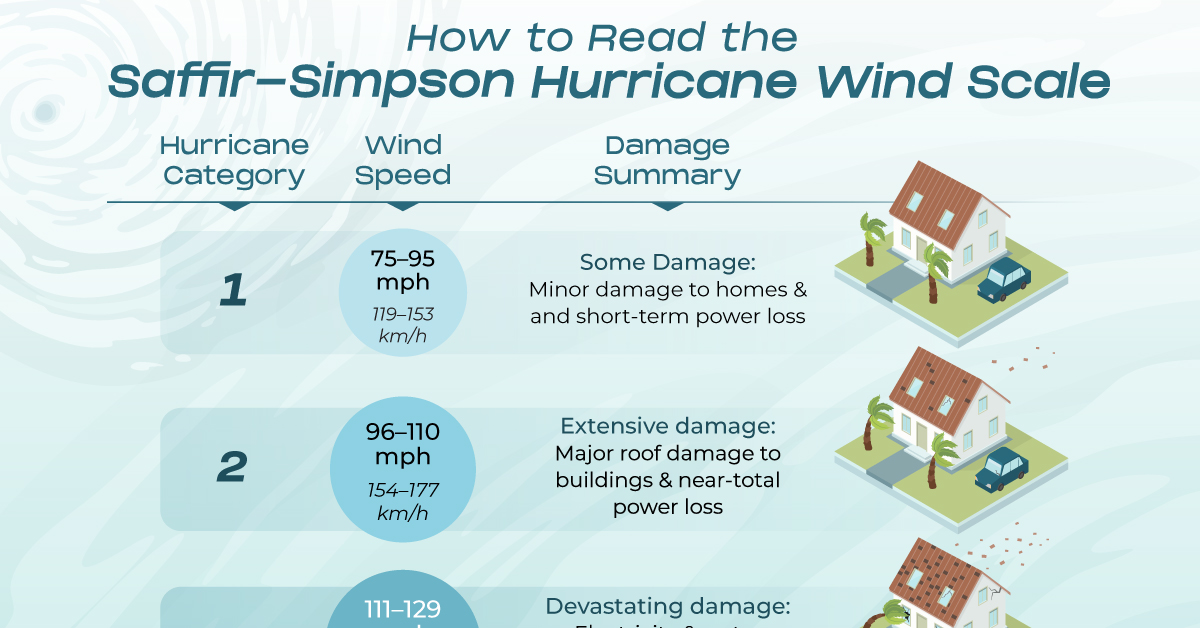
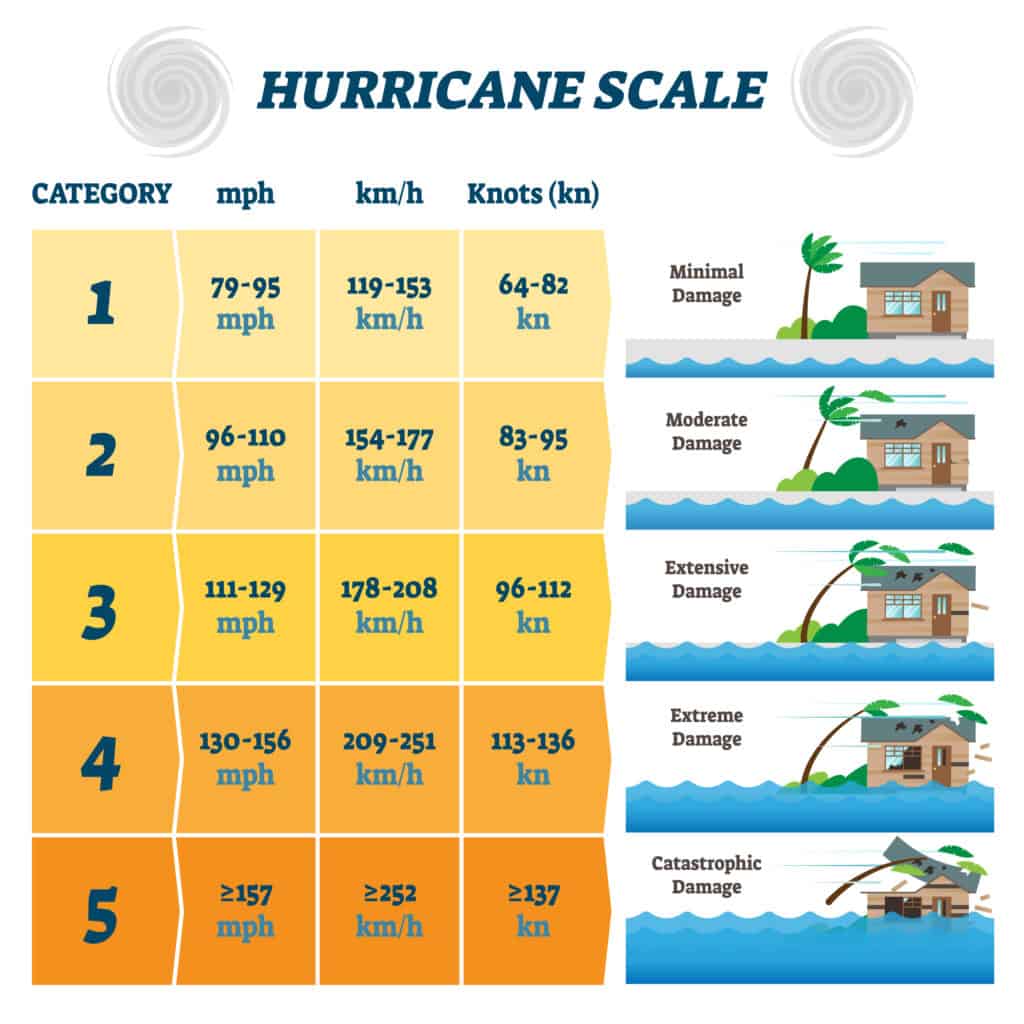
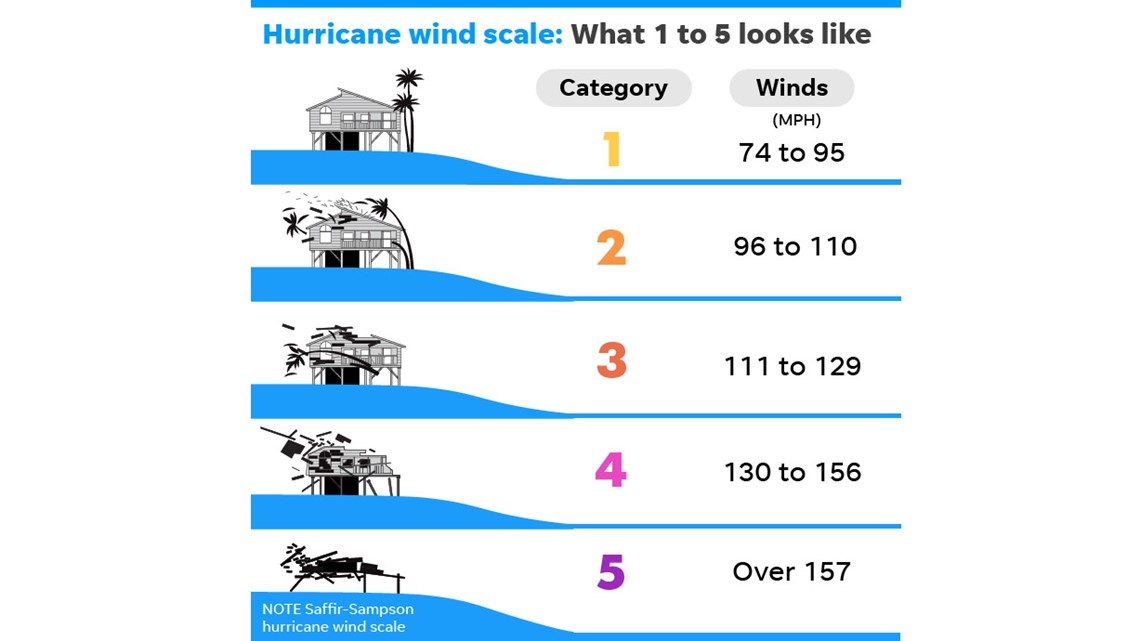
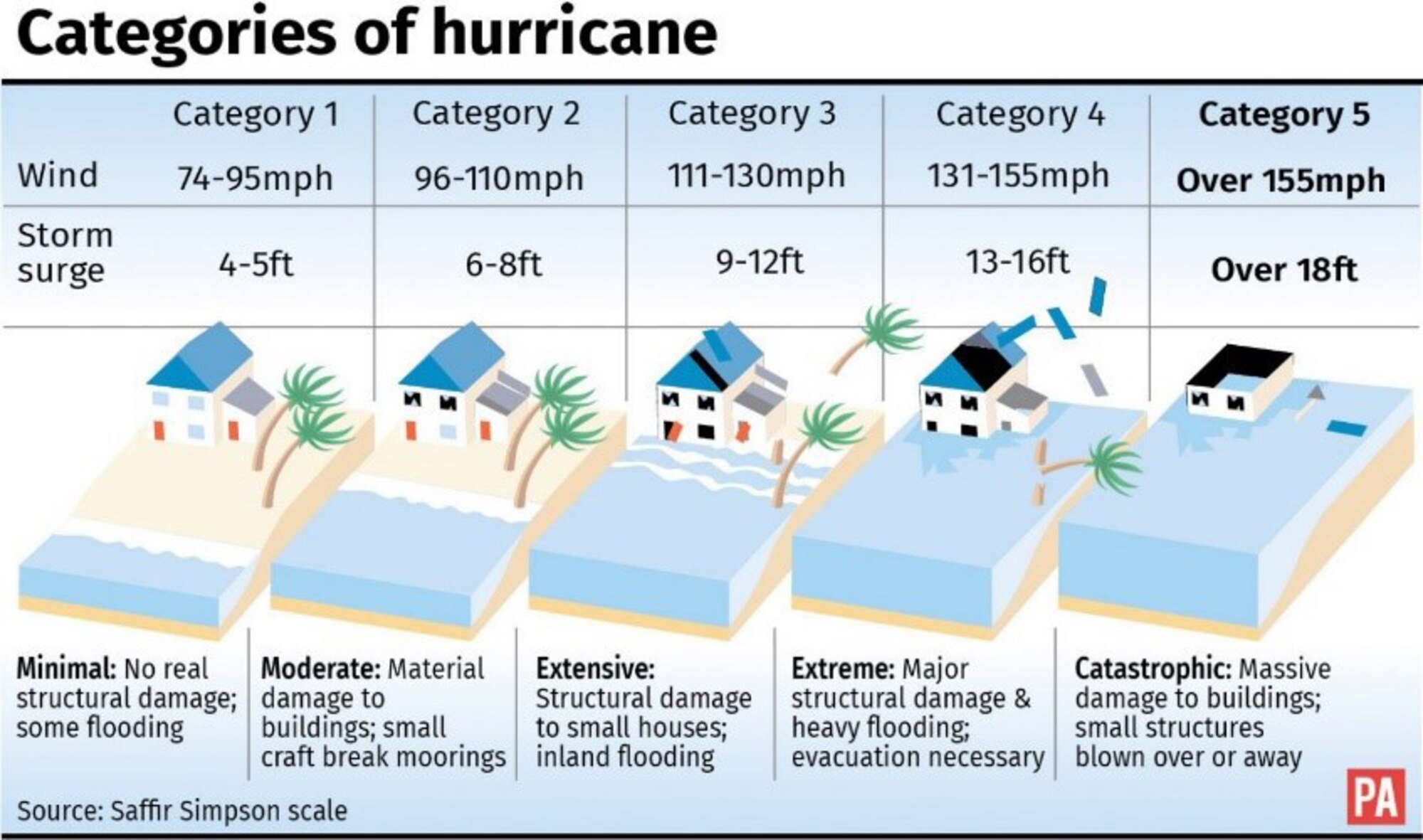
The Saffir-Simpson Hurricane Wind Scale is how we measure the intensity of a hurricane based on its sustained wind speeds. Category 4 hurricanes pack winds between 130-156 mph. That's enough to rip off roofs, snap trees like twigs, and cause widespread power outages. Think of it as nature's way of aggressively redecorating your neighborhood, whether you want it or not.
Must Read
Category 5 hurricanes, however, are in a league of their own. They have sustained winds of 157 mph or higher. Once you hit that threshold, it's not just redecorating; it's more like a complete demolition. We're talking total roof failure, entire houses being swept away, and areas becoming uninhabitable for weeks, or even months.
Imagine trying to hold onto an umbrella in a Category 4 wind. It's going to be a struggle, the umbrella might invert, and you'll probably get soaked. Now picture that same umbrella in a Category 5 wind. It's not just going to invert; it's going to be ripped from your hands, launched into orbit, and probably used as a weapon against a nearby squirrel. Okay, maybe not orbit, but you get the picture. It's intense.
Why the Extra Few Miles Per Hour Matter
You might be thinking, "Okay, so it's just a few more miles per hour. What's the big deal?" But those extra miles per hour translate to exponentially more damage. It's not a linear scale; it's more like a rocket taking off. Each tiny increase in speed makes a huge difference in the impact.
Think about a car crash. A 30 mph crash is bad. A 50 mph crash is often devastating. The difference in speed might not seem huge, but the damage is significantly worse. Hurricanes work the same way. Those extra few miles per hour in a Category 5 aren't just "a little worse"; they represent a massive increase in destructive power.

We’re talking about storm surge, too. That's the wall of water pushed onshore by the hurricane's winds. A Category 4 hurricane can bring a storm surge of 13-18 feet. That's high enough to flood entire neighborhoods and submerge most single-story homes. A Category 5? We're talking 18 feet or higher. Imagine the ocean deciding to move into your living room, uninvited, with no intention of leaving anytime soon. Not a pleasant thought, is it?
Why Should You Care?
Okay, so hurricanes are scary. We get it. But why should you, the average person, care about the difference between a Category 4 and a 5? Because it's about preparation and understanding the potential risks. Knowing what to expect can literally save your life, and the lives of your loved ones.
If you live in an area prone to hurricanes, knowing the category helps you make informed decisions. A Category 4 might mean reinforcing your home and evacuating to a safer location within the region. A Category 5? That often means getting as far away as possible, and potentially needing long-term shelter and support.
Even if you don't live in a hurricane-prone area, understanding the difference is important. These storms can have far-reaching effects, impacting supply chains, disrupting travel, and affecting the economy. Plus, being informed helps you empathize with those who are affected and support relief efforts.
Ultimately, understanding the difference between a Category 4 and a Category 5 hurricane is about being prepared, being informed, and being a responsible member of your community. So, next time you hear about a hurricane brewing, remember the ice cream shop analogy, the umbrella in orbit, and the ocean moving into your living room. It might just make the difference between a bad situation and a truly devastating one. Stay safe out there!