
Difference Between 316 Stainless Steel And 304
Okay, let's talk stainless steel. Sounds boring, right? Wrong! Think sleek kitchens, shimmering watches, and even that perfect water bottle you lug to yoga. Stainless steel is everywhere, and knowing the difference between the popular 304 and 316 grades can actually be pretty useful. Trust me, it's way more exciting than choosing between beige and ecru paint (although, that is a mood).
The Core Crew: 304 Stainless Steel
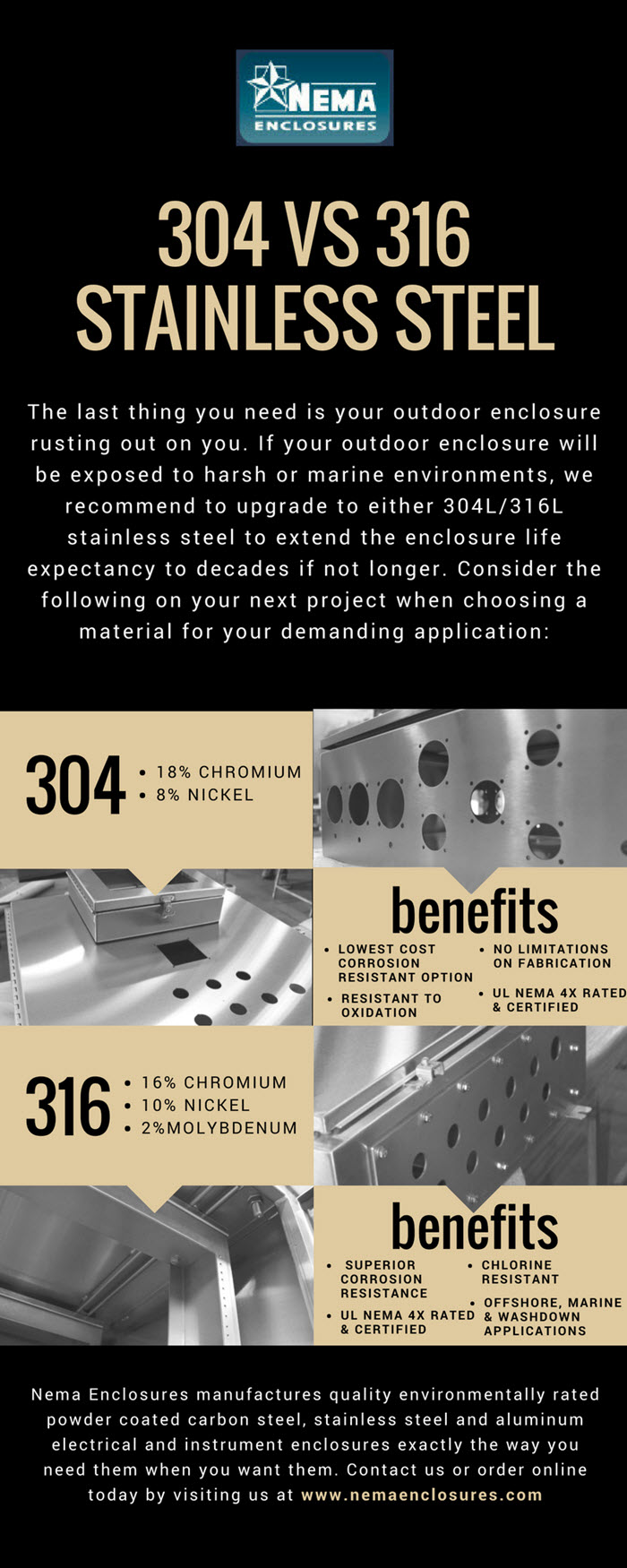
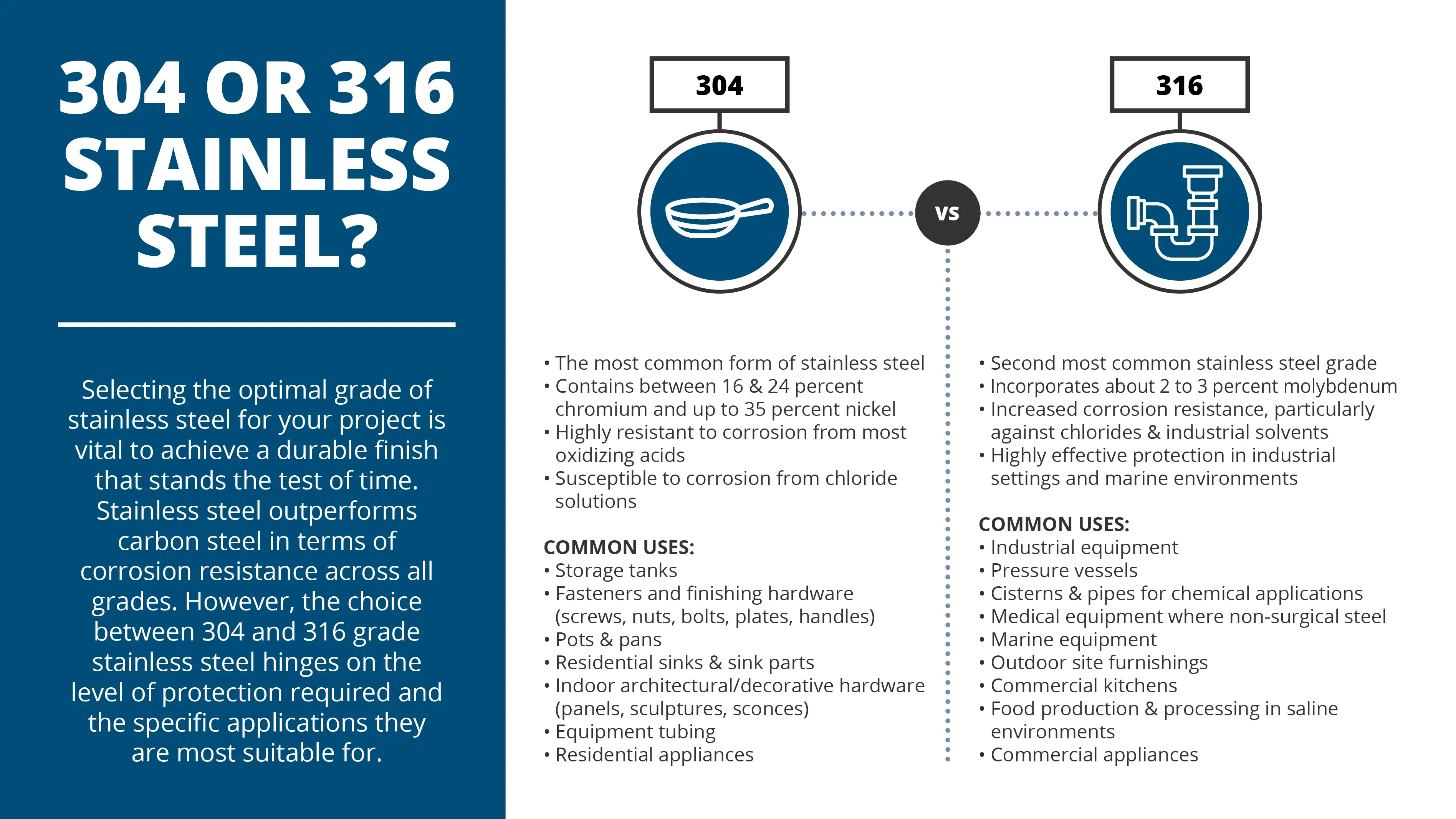
304 stainless steel is the OG, the workhorse, the Beyoncé of the stainless steel world. It's the most commonly used type, a true all-rounder. Think kitchen sinks, pots and pans, cutlery – basically anything that needs to be durable and resist rust in normal conditions. Imagine your favorite stainless steel water bottle. Chances are, it’s 304.
What makes it so popular? Affordability and versatility. 304 offers excellent corrosion resistance in most everyday environments. It's like that reliable friend who's always there for you, no drama.
Must Read
Stepping Up the Game: 316 Stainless Steel
Now, let's meet 316 stainless steel. This is 304's slightly more sophisticated cousin. It's still part of the austenite family (that's the stainless steel cool kids' club), but it has one key addition: molybdenum. This little ingredient is the secret sauce that makes 316 extra special.
Molybdenum boosts 316's resistance to corrosion, especially in environments with chlorides (think salt water) and other harsh chemicals. So, if 304 is Beyoncé, 316 is… well, maybe still Beyoncé, but after she's upgraded her stage gear for a beachfront concert. Same queen, different demands.

The Showdown: 304 vs. 316
So, when do you choose one over the other? Here’s the breakdown:
- Environment: If you're dealing with a lot of salt water (marine applications, coastal areas) or harsh chemicals (laboratories, industrial settings), 316 is your go-to. For everyday use in normal environments, 304 is perfectly fine.
- Cost: 304 is generally more affordable than 316. That molybdenum adds a premium to the price tag.
- Application: Think about the specific requirements of your project. If you need something that can withstand constant exposure to the elements, 316 is a worthwhile investment. For indoor use and general applications, 304 offers a great balance of performance and price.
Practical Tip: If you live near the coast, seriously consider 316 for outdoor fixtures like railings, barbecues, and boat hardware. It might cost more upfront, but it will save you money (and headaches) in the long run by preventing rust and corrosion.

Fun Fact: 316 stainless steel is also frequently used in medical implants because of its biocompatibility and resistance to body fluids. That’s right, you might have some 316 hanging out inside you right now!
Beyond the Basics: Other Considerations
Remember, even the best stainless steel isn't indestructible. Proper cleaning and maintenance are crucial for extending the lifespan of any stainless steel product. Avoid harsh abrasive cleaners, and always rinse thoroughly after cleaning.
And don't forget aesthetics! Both 304 and 316 can be polished to a beautiful shine. The finish can affect the final product. Whether you prefer a brushed look, a mirror finish, or something in between, both grades can deliver the aesthetic you're after.
Cultural Reference: Remember that scene in "Titanic" where the water is rushing through the hallways? Even though the ship ultimately sank (spoiler alert!), much of the stainless steel used in its construction likely remained remarkably intact. They probably didn’t use the best grades, but the point stands!
A Final Reflection
The next time you reach for your stainless steel water bottle, admire your sleek kitchen appliances, or see some shiny railings at the beach, take a moment to appreciate the material that makes it all possible. Understanding the difference between 304 and 316 stainless steel might seem like a minor detail, but it’s a tiny peek into the world of materials science and the impact it has on our everyday lives. Plus, you'll have something impressive to talk about at your next dinner party. "Oh, this cheese knife? It's 304, naturally."
