
Difference Between 316 And 304 Stainless Steel
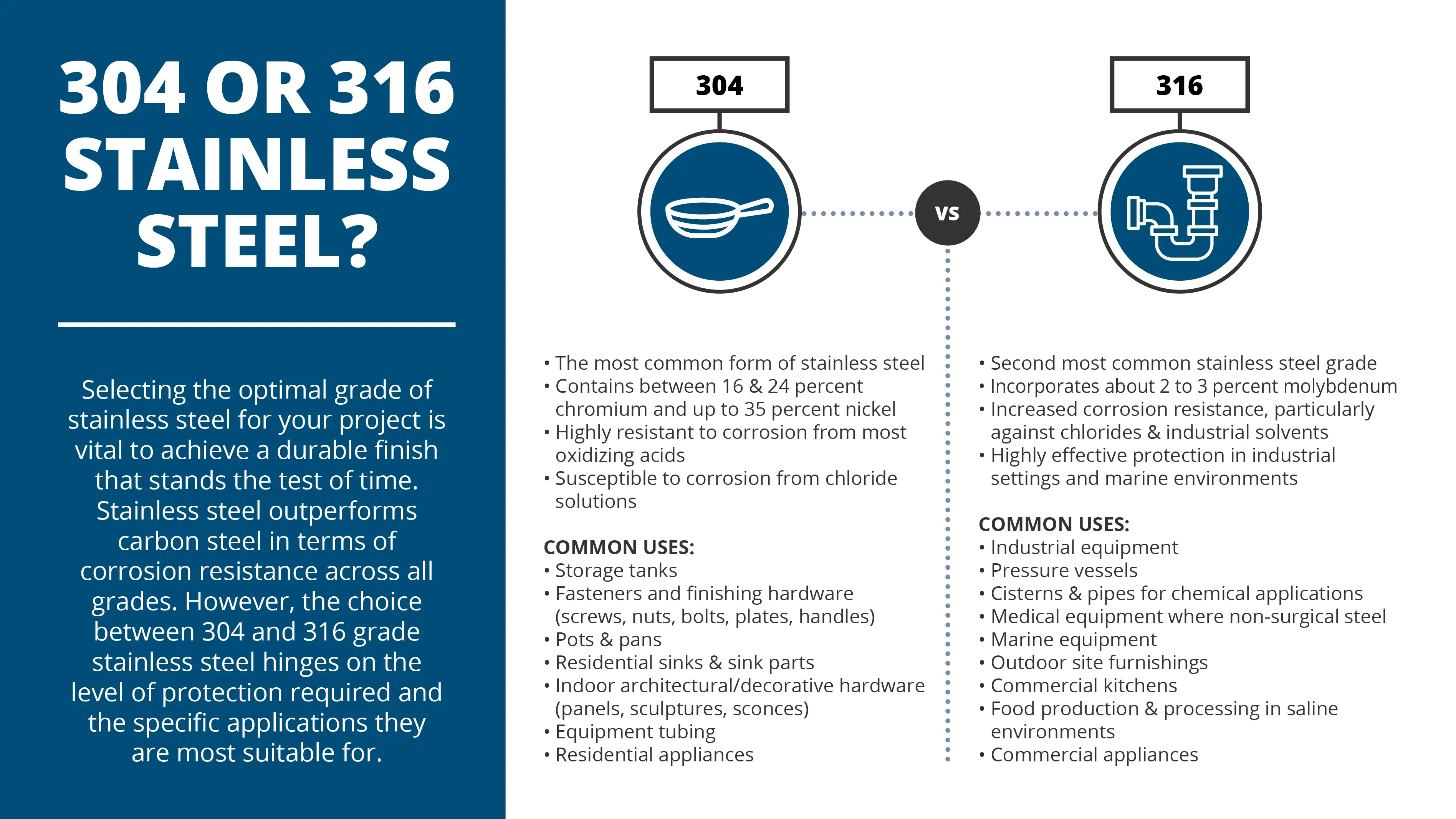
Ever wondered why some stainless steel things last forever, while others seem to rust the minute they look at a salty breeze? Chances are, you're looking at the difference between 304 and 316 stainless steel. Think of them as cousins – similar, but with some key differences that really matter in the grand scheme of things.
The Basics: Steel, but Make it Shiny
First, let's demystify stainless steel. It's basically steel mixed with chromium. The chromium is the magic ingredient. It forms a super-thin, invisible layer of chromium oxide on the surface that acts like a bodyguard, preventing rust and corrosion. Pretty neat, huh?
Both 304 and 316 are types of austenitic stainless steel, meaning they're non-magnetic and super versatile. You'll find them in everything from kitchen sinks to medical equipment. They're the workhorses of the stainless steel world. But here’s where the family feud begins…
Must Read
304: The Everyday Hero
304 stainless steel is like that reliable friend who's always there for you. It's the most common type and you probably interact with it daily. Think kitchen appliances like refrigerators, sinks, and saucepans. It’s also used in architecture, food processing, and a ton of other applications. It's strong, durable, and relatively affordable.
Imagine your favorite stainless steel water bottle. Chances are, it's made of 304. It handles daily use like a champ, surviving bumps, drops, and countless trips through the dishwasher. It's the go-to choice for most indoor applications and environments with moderate corrosion risk.

316: The Superhero with Extra Powers
Now, let's talk about 316. This is where things get interesting. 316 has molybdenum added to the mix. Molybdenum is like giving stainless steel a dose of superpowers, specifically the power to resist corrosion from chlorides. Chlorides are sneaky little devils found in saltwater and some industrial chemicals.
Think of it this way: 304 is happy chilling on your kitchen counter, while 316 is ready to take on the ocean. So, if you live near the coast, have a boat, or work in a laboratory dealing with harsh chemicals, 316 is your new best friend.
I once bought a cheap outdoor grill advertised as "stainless steel." It was probably 304, because after one winter near the ocean, it looked like it had been through a zombie apocalypse. Lesson learned: Always check the grade!
The Cost of Greatness
Of course, all those extra superpowers come at a price. 316 stainless steel is generally more expensive than 304. Molybdenum isn't cheap, and the added protection is reflected in the cost. But trust me, if you need the extra corrosion resistance, it's worth the investment.
So, Which One Should You Choose?
Here's the cheat sheet:
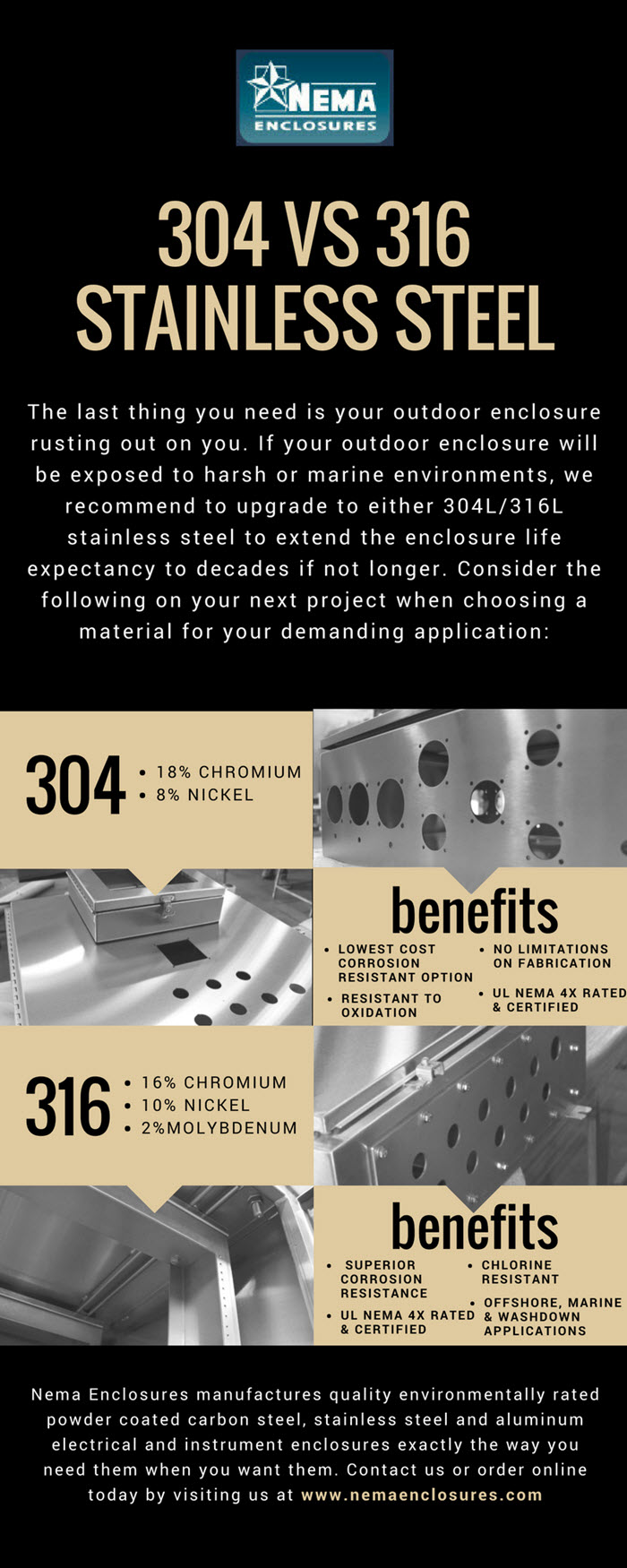
- 304: General purpose, kitchen appliances, indoor applications, environments with moderate corrosion risk. Think of it as your everyday superhero.
- 316: Marine environments, chemical processing, outdoor applications near saltwater, situations with high chloride exposure. This is the specialized, ocean-conquering superhero.
Basically, if you're building a railing next to the beach, go with 316. If you're making a spoon, 304 will do just fine.
Choosing between 304 and 316 stainless steel is all about understanding the environment where it will be used. It's like picking the right tool for the job. Use 304 where it makes sense, and splurge on 316 when you need the extra muscle.
And remember, investing in the right grade of stainless steel upfront can save you a whole lot of headaches (and rust) down the road.
