
Difference Between 3 Phase And Single Phase Supply
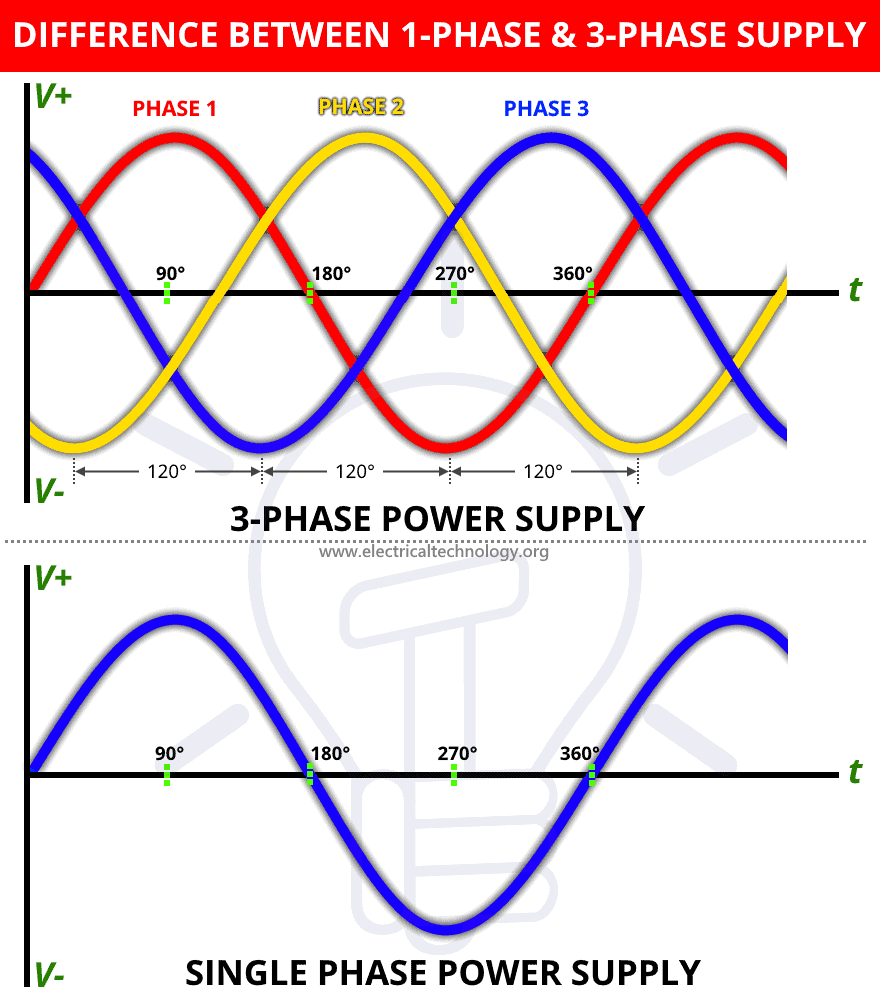
Ever wondered why some appliances purr along smoothly, while others sound like they’re about to launch into orbit? Or why your neighbour's workshop is a humming hive of activity, while your garage is limited to a temperamental drill and a string of fairy lights? The secret lies in a tale of two electrical systems: Single Phase and Three Phase.
Think of electricity as a river flowing into your home. Single Phase is like a single, dependable stream. It gets the job done, powering your lights, your fridge, your TV. It’s the quiet, reliable workhorse of the domestic world. You might call it the "Vanilla Ice Cream" of electricity – universally liked and undeniably functional.
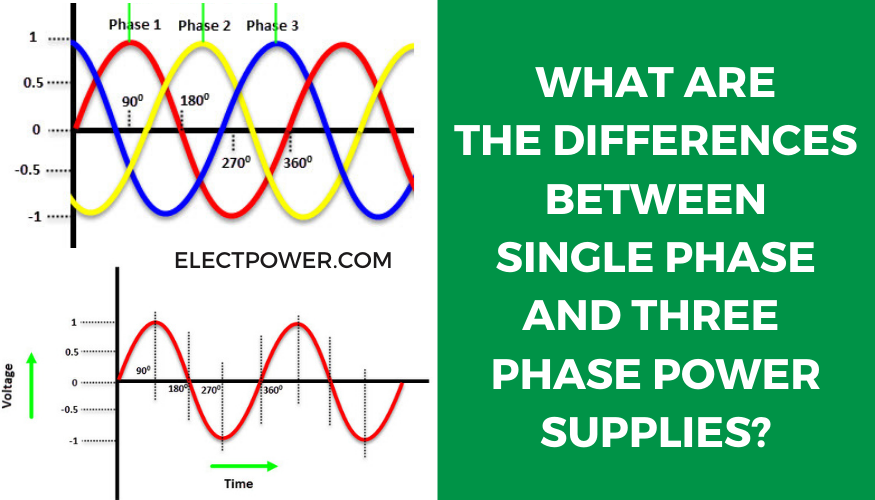
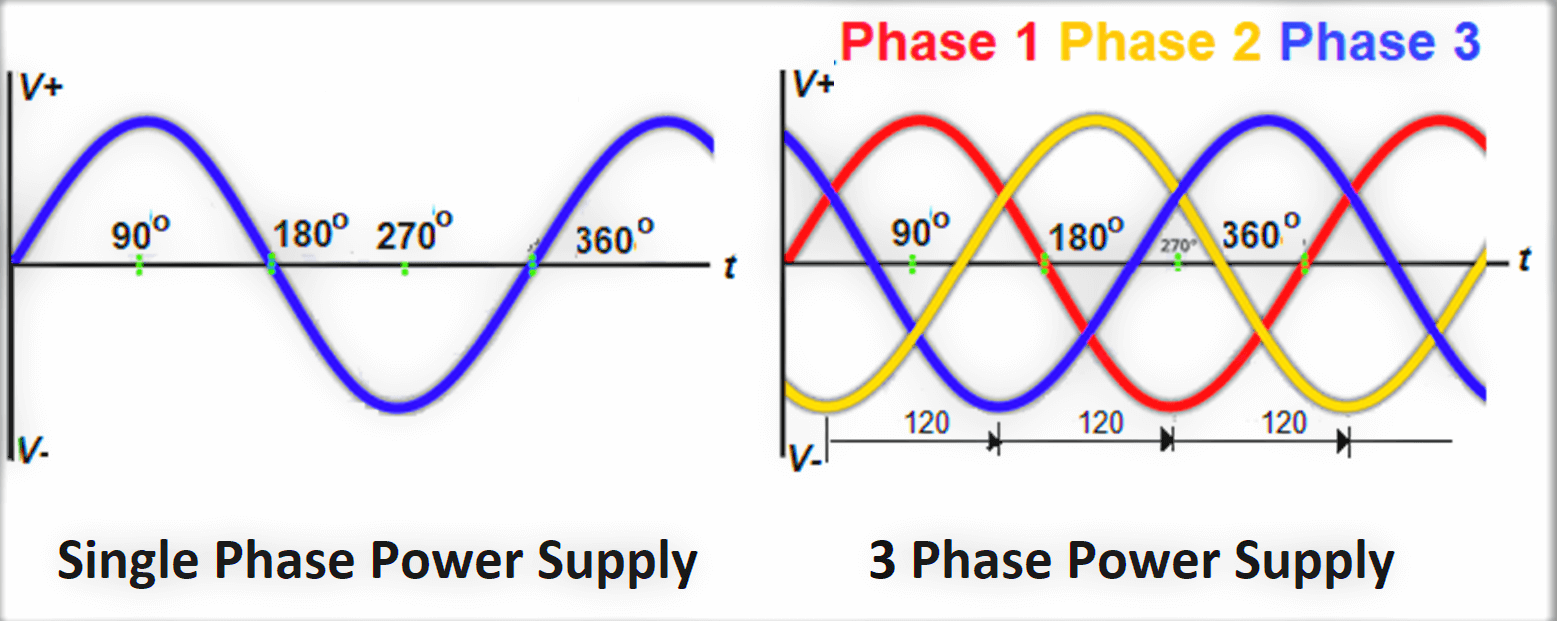
Now, Three Phase, that's a whole different ballgame. Imagine that single stream suddenly multiplying into three powerful tributaries, all flowing in perfect harmony. Instead of one push of power, you get three simultaneous pushes, working together to deliver a smooth, constant flow. This is the "Rocky Road" of electricity - a bit more complex, a lot more powerful, and capable of handling serious tasks.
Must Read
The Power Play
The difference is less about "better" and more about "appropriate." Your toaster doesn't need the raw power of Three Phase. It's perfectly happy sipping from the Single Phase stream. But a massive industrial motor? That needs the triple-threat power of Three Phase to even get started.
Think of it this way: trying to power a steel mill with Single Phase is like trying to tow a truck with a bicycle. It's just not going to happen! You need the grunt, the sustained power, and the sheer electrical muscle that Three Phase provides.
Ever seen a massive, whirring factory floor? Those enormous machines, churning out everything from widgets to washing machines, are almost certainly powered by Three Phase. It’s the unsung hero behind the scenes, keeping the gears turning and the production lines humming. It's the electricity that builds the things around you.
A Surprising Twist
Here's a little secret: even in homes wired for Single Phase, Three Phase power is often humming close by. It's the backbone of the electrical grid, delivering power over long distances to our towns and cities. It’s just stepped down and converted for domestic use.

Imagine a group of weightlifters, each capable of lifting 100kg. Single phase is like one weightlifter taking turns to lift a series of 100kg weights. Three phase is like all three of them lifting simultaneously; delivering a constant load of 300kg.
Household Heroes and Heavy-Duty Hustlers
So, who are the stars of each show?
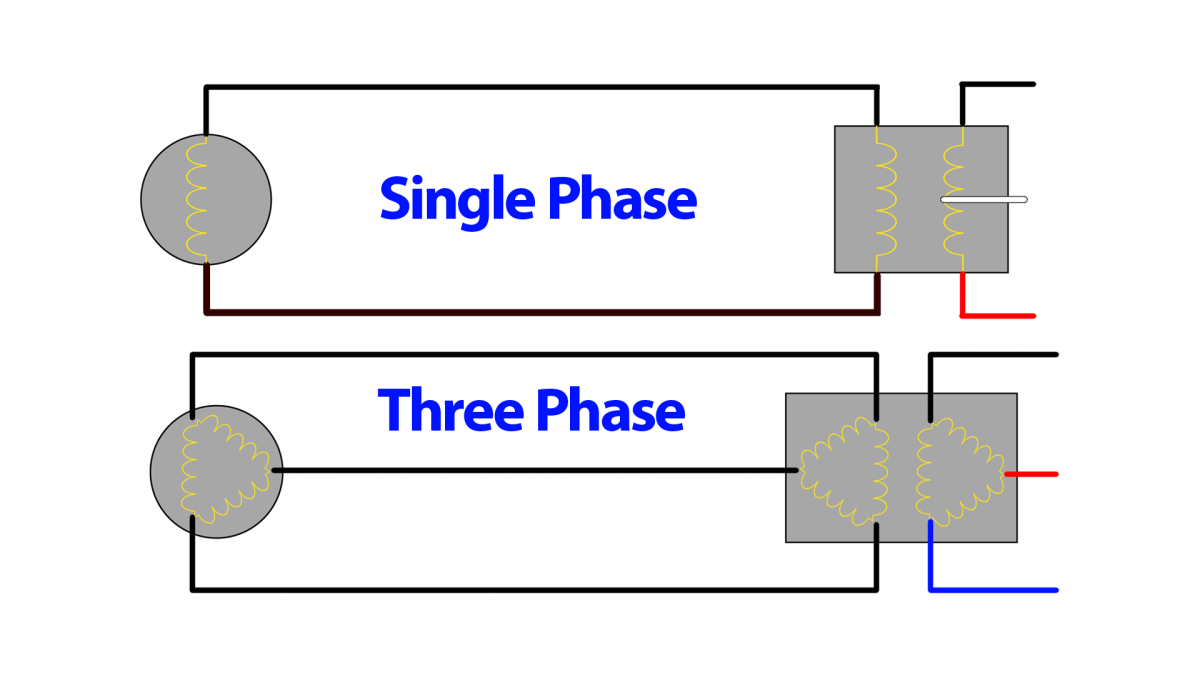
Single Phase Heroes:
- Your trusty refrigerator, keeping your snacks cool and your milk fresh.
- Your washing machine, battling stains and odors with unwavering dedication.
- Your television, your portal to entertainment, news, and the occasional questionable reality show.
Three Phase Hustlers:
- Industrial motors, the tireless workhorses of factories and workshops.
- Large air conditioning systems, battling the summer heat with Herculean effort.
- Electric vehicle charging stations, providing the high-power jolt needed to get you back on the road.
The Moral of the Story
The difference between Single Phase and Three Phase isn't just a dry technical detail. It’s a testament to the versatility of electricity, and its ability to adapt to the demands of our modern world. Next time you flip a light switch or hear a powerful machine roar to life, take a moment to appreciate the electrical magic happening behind the scenes.
And who knows, maybe you'll even start seeing electricity in a whole new light. Maybe you'll even develop a favourite type of phase! (Okay, maybe not, but it's fun to think about, right?)
So, there you have it. The story of Single Phase and Three Phase – a tale of power, versatility, and the electricity that makes our world go 'round.