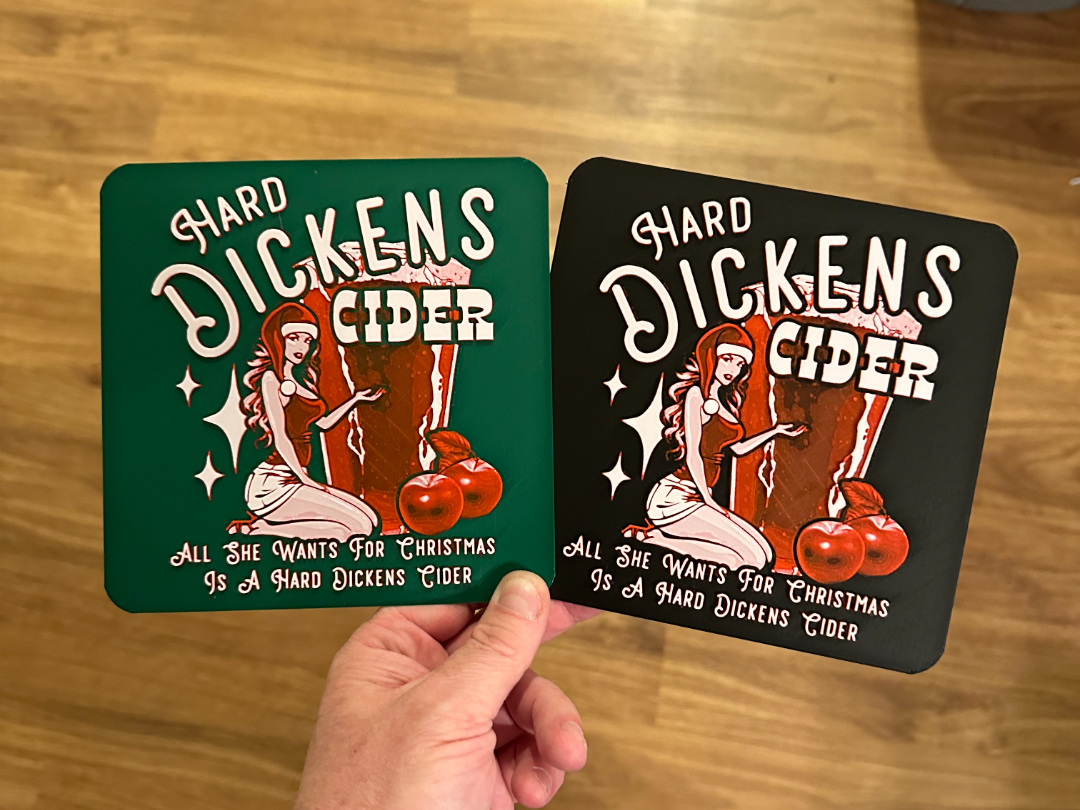
Dickens Cider Song Lyrics

Ever belted out a Christmas carol without really thinking about what you're singing? We’ve all been there. But have you ever stopped to ponder the slightly bonkers lyrics of "Here We Come A-Wassailing", especially when it comes to the Dickens Cider version?
Chances are, you know the tune. It's that festive ditty about wandering around, offering good cheer, and… demanding cider? Well, not exactly demanding, but let’s just say a little gentle persuasion is involved. What most people don't realize is that this wasn't some corporate jingle cooked up for a holiday commercial. The original wassailing traditions were a lot older, a lot earthier, and often involved quite a bit of cider consumption!
The word "wassail" itself comes from the Old Norse "ves heil," meaning "be healthy!" It was a toast, a blessing, and a whole lot more. In pre-Victorian England, wassailing was a tradition where people went from house to house, singing, making noise, and generally spreading good vibes in exchange for… well, refreshments. Think of it as caroling with a strategic cider-acquisition agenda.
Must Read
The Dickens Connection
So, where does Charles Dickens fit in? While he didn't actually write the specific lyrics to "Here We Come A-Wassailing" (that credit goes to tradition!), his writing popularized the imagery of a warm, festive, and slightly tipsy Christmas. It’s the feeling you get when you imagine Bob Cratchit raising a glass with his family. And it’s that very feeling that got attached to the cider-centric version of the song.
Now, about those lyrics. They're charmingly insistent. "Love and joy come to you, And to you your wassail too; And God send you a happy new year." Seems friendly enough, right? Then comes the slightly less subtle part: "We are not daily beggars That beg from door to door; But we are neighbours' children, Whom you have seen before."

In other words, "Hey, we know you! And we're not just random strangers asking for handouts. We're your friendly neighborhood… well, let's call us 'cider enthusiasts.'"
And then, the clincher: "We have a little purse Of stretching leather skin; We want some of your small beer To line it well within." Small beer was a weak, alcoholic beverage, often drunk by children because it was safer than water. But the implication is clear: they're looking for something to fill their metaphorical (or perhaps literal) "stretching leather skin."

Cider and Sociability
The humor in the Dickens Cider song lies in its blend of piety and practicality. It’s about spreading cheer, but also about getting your fair share of festive beverages. It’s about community, but also about the unspoken understanding that generosity will be rewarded (presumably with more harmonious caroling!).
Think about it. The lyrics talk about the master and mistress of the house, hoping for them to be generous and have a prosperous year. It's not just a polite greeting; it’s a subtle suggestion that a little bit of cider might ensure good fortune. It's like a festive, liquid form of blackmail, delivered with a smile and a song.
But beyond the humor, there's something heartwarming about the Dickens Cider tradition. It speaks to a time when communities were more interconnected, when sharing food and drink was a central part of social life. It’s a reminder that even the simplest acts of generosity can bring joy and foster a sense of belonging.
Sing Along!
So, the next time you find yourself singing "Here We Come A-Wassailing," take a moment to appreciate the slightly absurd, slightly demanding, but ultimately joyful spirit of the song. Remember the "stretching leather skin" and the implied promise of good tidings in exchange for a little generosity. And maybe, just maybe, raise a glass of cider to Charles Dickens and the enduring power of a good, slightly tipsy, Christmas carol.
"Love and joy come to you, And to you your wassail too; And God send you a happy new year."Cheers!