
Definition Of Nonrenewable And Renewable Resources
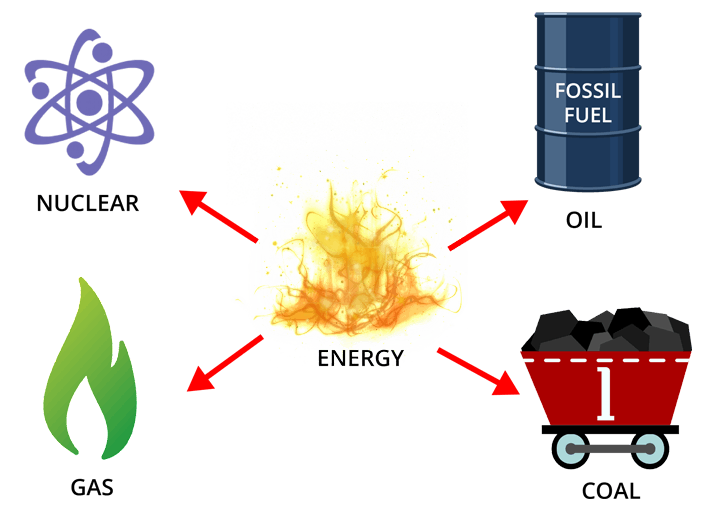
Hey there, energy explorer! Ever wondered where all the stuff that powers our lives comes from? I'm talking electricity, gasoline, the whole shebang. Well, buckle up because we're diving into the wild world of renewable and non-renewable resources!
It's basically a tale of two energy sources. One's a bit of a party animal, always bouncing back. The other? A finite resource, like that last slice of pizza at a party – once it's gone, it's gone.
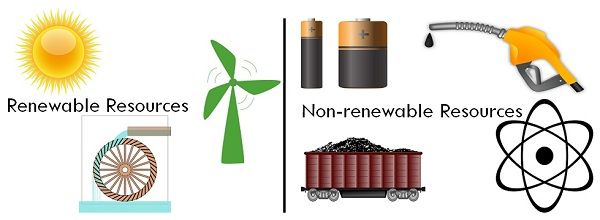
Non-Renewable Resources: The Finite Feast
Think of non-renewable resources as the treasures buried deep underground. We're talking about stuff like coal, oil (aka crude oil, black gold!), and natural gas. These guys took millions (yes, millions!) of years to form. They’re essentially ancient sunshine trapped in the Earth. Imagine that!
Must Read
Here's the kicker: we're using them up way faster than they can be made. It's like raiding a dinosaur-shaped piggy bank… it's fun at first, but eventually, you're gonna run out of dino-dollars. That's why they're called non-renewable. Get it?
Coal, for example, is basically squished, ancient plants. Can you imagine your petunias fueling your car? Wild, right? It's a fantastic energy source, but it’s also a major contributor to pollution. Fun fact: Burning coal is responsible for the majority of global carbon emissions from electricity generation!
Then there's oil. It's like the Earth's super-secret sauce. We use it for everything from fueling planes to making plastic forks. Oil is also key to making cosmetics, medications, and even our clothes in many instances. It comes from decayed plant and animal matter that has been under incredible pressure for millions of years. Crazy to think that your favorite lipstick might have dinosaur ancestors, isn't it?
And let's not forget natural gas. It’s the cleanest-burning fossil fuel, and is a versatile source of energy, powering everything from heaters to ovens. It's also a key ingredient in fertilizer for farming. This is created when layers of decomposing plants and animals are exposed to intense heat and pressure over millions of years. Think of it as an ancient earth "stew" but way more useful than what your grandma might cook!
The problem with these fossil fuels? They release greenhouse gasses into the atmosphere when burned. These gases trap heat and contribute to global warming. Which, let's be honest, isn't a super fun outcome.
Renewable Resources: The Party Animals of Energy
Now, let's swing over to the renewable side. These are the resources that are constantly being replenished by nature. Think of them as the ultimate comeback kids of the energy world!
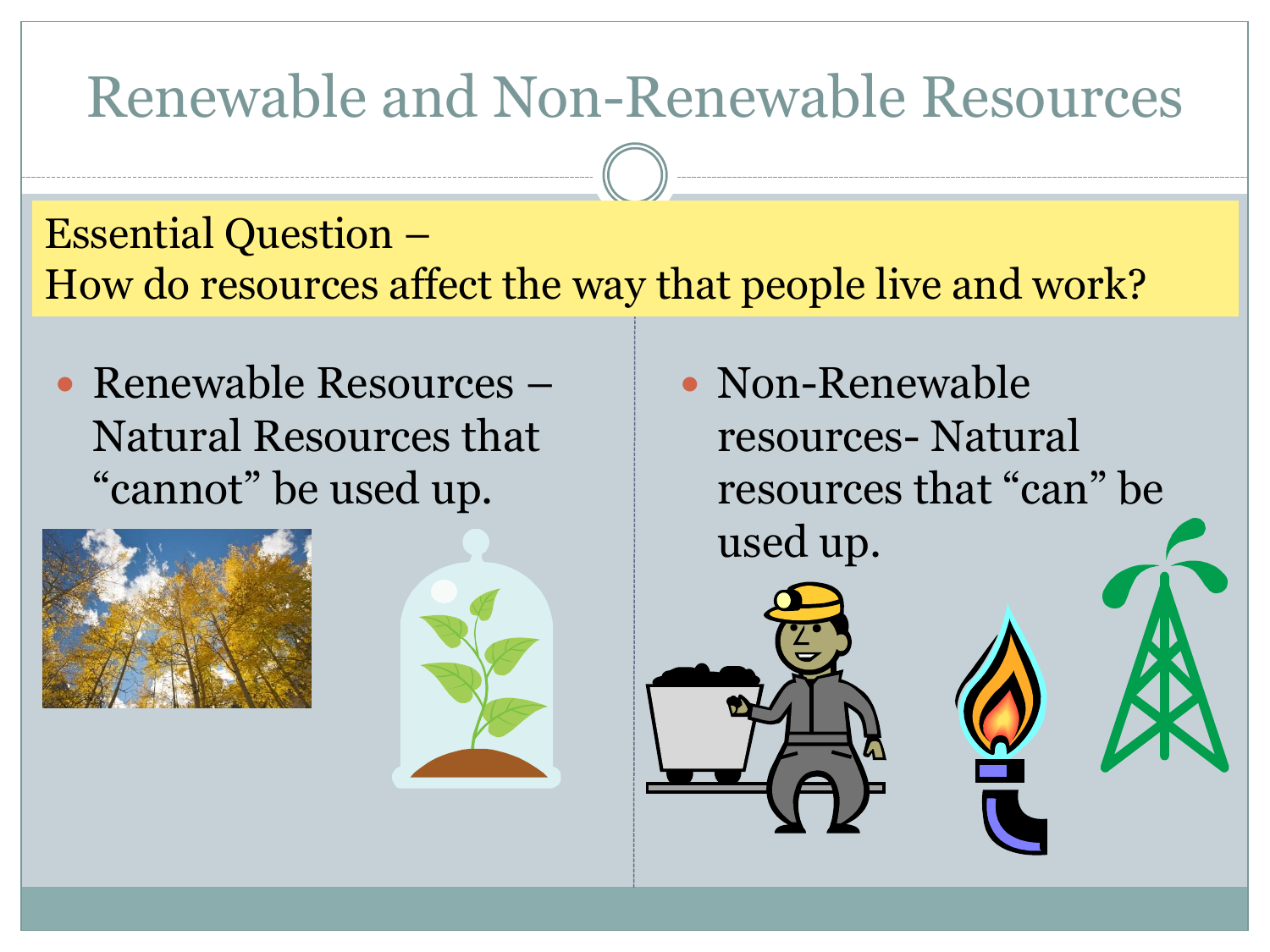
We're talking about things like solar energy, wind energy, hydropower (aka water power), geothermal energy, and biomass.
Solar energy uses the sun's rays to create electricity. It's like having a giant, free, and constantly shining lightbulb in the sky. Fun fact: Solar energy is so powerful that in just one hour, the sun beams down enough energy to power the entire planet for a year!
Wind energy uses wind turbines to turn the wind's power into electricity. Imagine giant, elegant windmills gracefully turning and creating power. Its a clean and sustainable way to produce energy. Wind farms are popping up everywhere, showing wind power's popularity as an alternative. Imagine living next to one? Super cool and energy-efficient!

Hydropower uses the power of moving water, usually from dams, to generate electricity. It's a classic renewable resource and has been used for centuries. The biggest dam on Earth, Three Gorges Dam, provides power to over 26 million homes. It's pretty impressive!
Geothermal energy uses the Earth's internal heat to create electricity or directly heat homes and buildings. Think of it as tapping into the planet's natural oven. It’s a constant, reliable source of energy. In some places, you can even see geysers erupting – a natural example of geothermal energy in action!
Finally, there’s biomass. This includes burning wood, crops, and even organic waste to create energy. Think of it as recycling nature's leftovers. It’s not always completely carbon-neutral (burning biomass still releases CO2), but it can be a more sustainable option than fossil fuels if managed carefully.

The awesome thing about renewable resources? They are virtually inexhaustible. That means we can keep using them without worrying about running out! It's like having a never-ending pizza party.
Choosing the Right Path
Ultimately, the future of energy depends on using a mix of both renewable and non-renewable resources. As non-renewable supplies decrease, the importance of making a switch to renewable energy will be essential. It's a challenge, sure, but a challenge with incredible potential for a cleaner, more sustainable future. And who doesn't want a future filled with more sunshine, wind, and, of course, lots of pizza?
So, go forth and be energy-wise! Understand your carbon footprint, learn ways to reduce your energy use, and think about advocating for policy changes that prioritize renewable energy. It all adds up!