
Definition Of Non Renewable Sources Of Energy
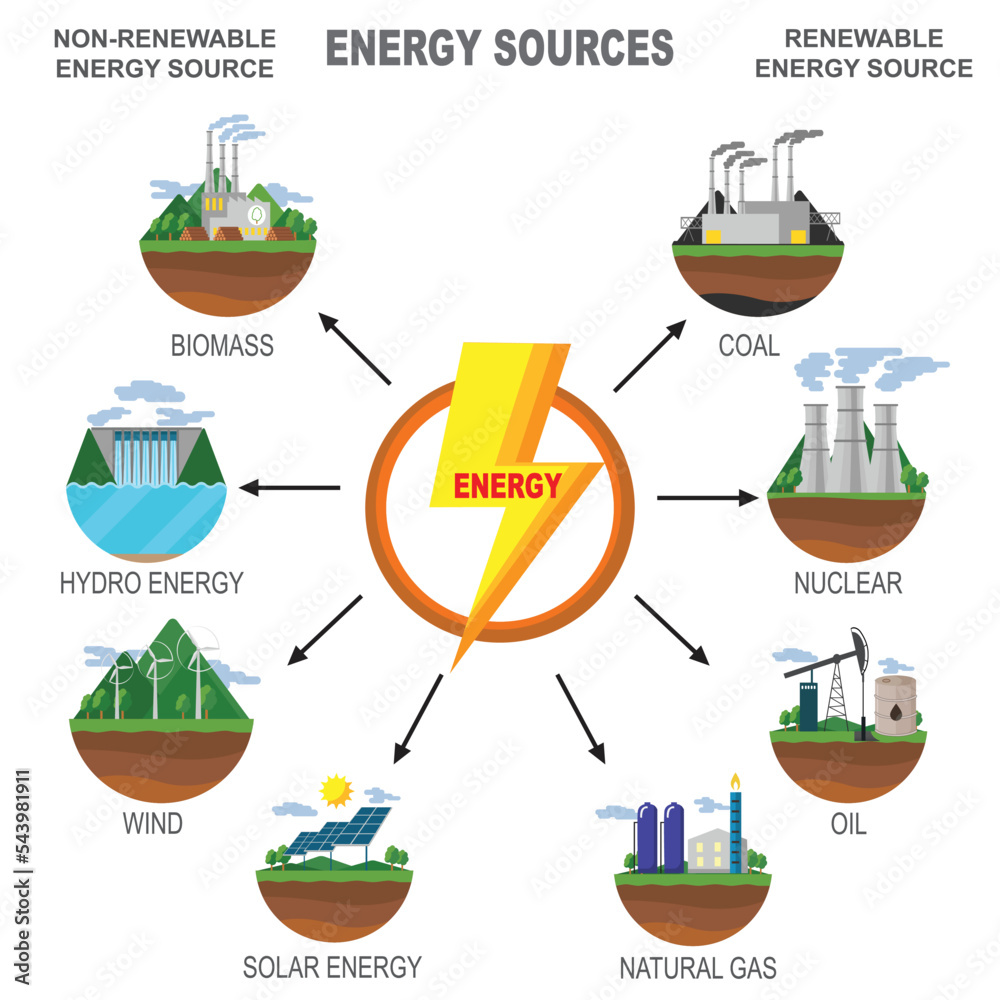
Ever heard the term "non-renewable energy"? It sounds kind of intimidating, right? But trust me, it's not rocket science! Let's dive into what it's all about.
What's the Big Deal with Non-Renewable Energy?
Basically, non-renewable energy comes from sources that can't be easily replenished. Think of it like your favorite snack – once it's gone, it's gone! These sources are finite, meaning there's only a limited amount of them on Earth.
We use these sources to power our homes, cars, and pretty much everything around us. They've been the backbone of our modern world for quite some time. Let's peek at some of the popular examples.
Must Read
Fossil Fuels: The Energy Giants
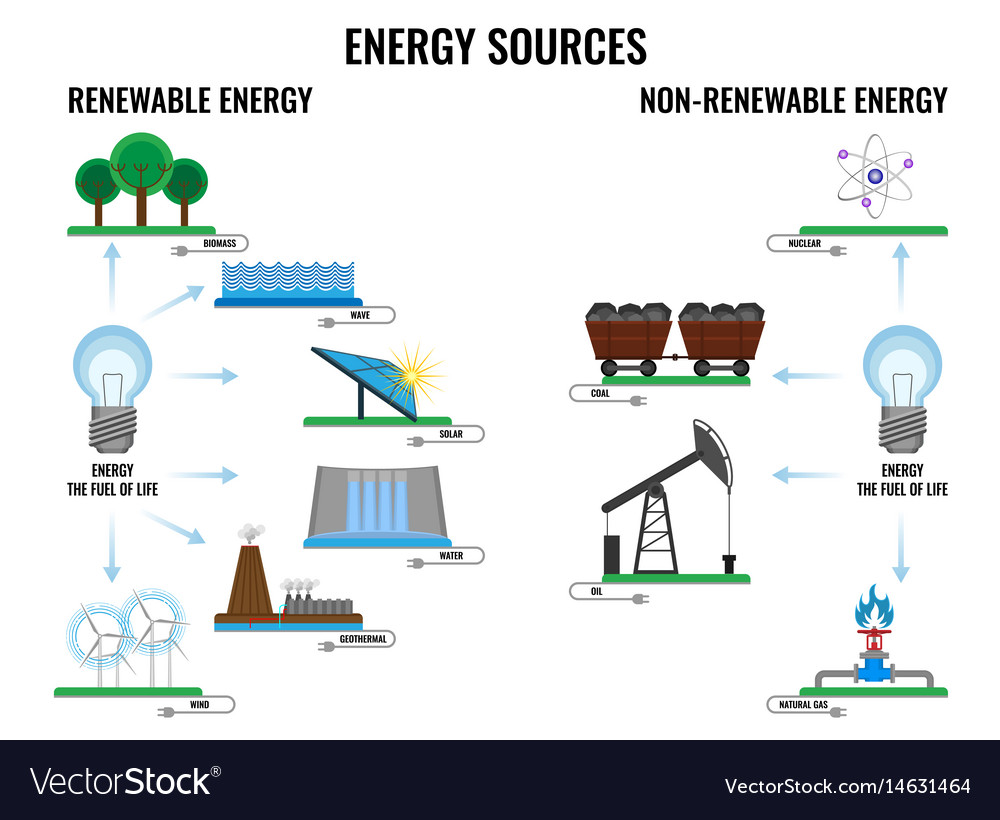
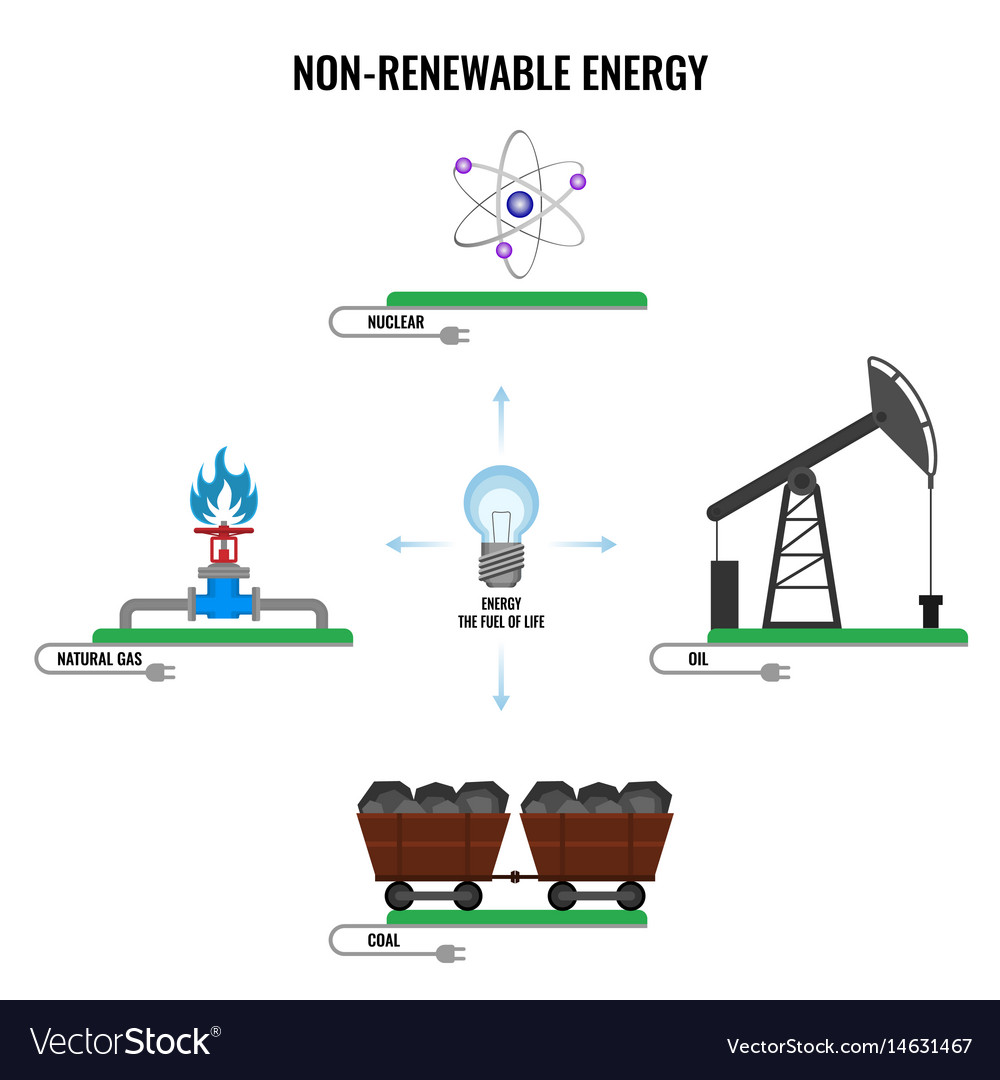
Ah, fossil fuels, the rockstars of the non-renewable world! These include coal, oil, and natural gas. They're formed from the remains of ancient plants and animals that lived millions of years ago.
Imagine tiny dinosaurs and giant ferns transforming into energy! Pretty cool, huh? These fuels are buried deep underground and extracted through mining and drilling.
Burning fossil fuels releases energy in the form of heat, which we then convert into electricity. This electricity lights up our homes and keeps our gadgets running. It's like a prehistoric power-up!
But there's a catch (isn't there always?). Burning fossil fuels releases greenhouse gases. These gases can trap heat in the atmosphere and contribute to climate change. Yikes!
Coal: The Black Gold
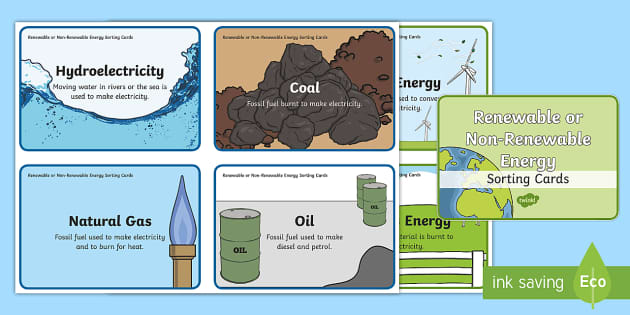
Coal is a solid fossil fuel that's been used for centuries. It's like the old reliable of the energy world. Think steam engines and industrial revolutions.
It's mined from the earth and burned in power plants to generate electricity. Coal is relatively abundant and inexpensive, making it a popular choice in many countries.
However, coal is also the dirtiest of the fossil fuels. Burning coal releases a lot of air pollution. It is like the rebellious uncle that shows up late with smoke and noise.
Oil: The Slippery Stuff
Oil, or petroleum, is a liquid fossil fuel that's incredibly versatile. We use it to make gasoline for our cars, plastics for our products, and even cosmetics! It's everywhere!
Oil is extracted from underground reservoirs through drilling. It's then refined into various products that we use every day. It is truly a multi-tasking marvel.
Like coal, burning oil releases greenhouse gases and contributes to air pollution. Plus, oil spills can be devastating to marine ecosystems. It is a complicated relationship, to say the least!
Natural Gas: The Invisible Powerhouse
Natural gas is a gaseous fossil fuel composed mainly of methane. It's often used for heating, cooking, and generating electricity. It burns cleaner than coal and oil, making it a slightly better option.
Natural gas is extracted from underground wells through drilling. It's transported through pipelines to our homes and businesses. It's like an invisible energy highway!
While it burns cleaner, natural gas still releases greenhouse gases. And methane, the main component, is a potent greenhouse gas itself. Even the "cleaner" ones have a dirty side.
Nuclear Energy: Splitting Atoms for Power
Okay, nuclear energy isn't technically a fossil fuel, but it is non-renewable. It relies on uranium, a radioactive element that's mined from the earth. It's like a different beast altogether.
Nuclear power plants use nuclear fission to split uranium atoms. This releases a tremendous amount of heat, which is used to generate electricity. It's harnessing the power of the atom!

Nuclear energy doesn't produce greenhouse gases during operation. But it does create radioactive waste, which needs to be stored safely for thousands of years. It's a long-term commitment!
Why Should We Care?
So, why are we even talking about this stuff? Well, because non-renewable energy sources are finite. We're using them up faster than they can be naturally replenished. Imagine eating your favorite candy bar every day – eventually, you'll run out!
Plus, burning fossil fuels has some serious environmental consequences. Climate change, air pollution, and habitat destruction are just a few of the issues. It's like throwing a party and forgetting to clean up afterward.
That's why it's so important to explore alternative energy sources. Things like solar, wind, and geothermal energy are renewable. They can be replenished naturally, meaning they won't run out. These are like the gifts that keep on giving!
The Future of Energy
The future of energy is all about transitioning to renewable sources. It's a challenge, but it's also an opportunity. We can create a cleaner, more sustainable energy system for generations to come. It is like redesigning our future!
Think about it: solar panels on every roof, wind turbines on every hill, and electric cars on every street. Sounds pretty cool, right? It's a vision of a greener future, powered by the sun, wind, and Earth's own heat.
Of course, we'll still need non-renewable energy sources for a while. But we can use them more efficiently and responsibly. And we can invest in research and development to make renewable energy even better. It is a transition, not a cold turkey switch.
Learning about non-renewable energy is the first step towards making informed decisions about our energy future. It's about understanding the challenges and embracing the opportunities. It is an invitation to shape our world!
So, next time you flip a light switch or fill up your car with gas, think about where that energy comes from. And consider the impact it has on our planet. Every little bit counts!
Let's Get Real: Pros and Cons
Pros: Non-renewable energy has been a reliable source of power for a long time. Infrastructure is already in place, making it readily available.
It's generally cheaper (at least initially) than renewable alternatives. Also, it can generate high amounts of power.
Cons: Finite resources will eventually run out. Burning fossil fuels emits greenhouse gasses and pollutes the air.
Extraction processes can damage ecosystems and pollute water sources. Nuclear waste poses a significant long-term storage challenge.
Making a Difference: Small Steps, Big Impact
So, what can you do about all this? Well, plenty! Even small changes in your daily life can make a big difference.
Conserve energy by turning off lights when you leave a room. Unplug electronics when you're not using them. It's like giving the planet a little hug.
Choose energy-efficient appliances when it's time to upgrade. Support businesses that are committed to sustainability. Be a conscious consumer.
Consider using public transportation, biking, or walking instead of driving. Explore renewable energy options for your home, like solar panels. Every action is a drop in the bucket.
Educate yourself and others about energy issues. Talk to your friends and family about the importance of renewable energy. Spread the word!
The Takeaway: It's a Journey, Not a Destination
Understanding non-renewable energy is like understanding a piece of history. It's shaped our world and powered our progress. But it's also important to recognize its limitations and its impact.
The transition to a sustainable energy future won't happen overnight. It's a journey that requires innovation, collaboration, and a willingness to change. But it's a journey worth taking.
By embracing renewable energy and making smart choices, we can create a brighter future for ourselves and for generations to come. Let's power up the planet, responsibly! It is a marathon, not a sprint.
Final Thoughts
Non-renewable energy sources have played a significant role in our lives. However, understanding their limitations is crucial.
We can work towards a sustainable future together. Be informed, be responsible, and be part of the solution!
Remember, every little bit helps. Let's get energized about energy!