
Definition Of Flux In Welding
Ever watched a welder at work? You know, the dazzling sparks, the intense light, the sheer power of metal bending to a human’s will? It’s pretty captivating, right? But beneath all that fiery spectacle, there’s a quiet, unsung hero working tirelessly to make sure those welds aren't just flashy, but also incredibly strong and durable. We’re talking about flux, my friends!
Now, before you glaze over and think, "Oh no, a technical term!", hold up! Flux isn't just some dusty industrial concept. It's actually a fascinating little bit of chemistry that makes our modern world possible. And trust me, understanding it a little bit can make you see the world – and every sturdy bridge, skyscraper, or even your BBQ grill – with fresh, appreciative eyes. So, buckle up, because we're about to demystify flux and make it fun!
What Even Is Welding, Anyway?
At its heart, welding is the art and science of joining two pieces of metal by melting them together, often with a filler material, so they become one solid piece. Think of it like a super-strong, permanent glue for metal. When done right, the joint can be as strong, or even stronger, than the original metal itself. Pretty neat, huh?
Must Read
But here’s the kicker: metal doesn't like to be melted in the open air. Why? Because our atmosphere is full of gases like oxygen and nitrogen, and these guys are absolute party poopers for a molten metal pool. They love to react with hot metal, forming oxides and nitrides, which are basically impurities. These impurities lead to weak, brittle welds that are full of tiny holes (porosity) and will crack faster than you can say "uh-oh."
Enter Our Hero: Flux!
This is where flux sashays onto the stage, ready to save the day! So, what exactly is flux in welding? Simply put, flux is a non-metallic material designed to protect the molten weld pool from atmospheric contamination. It's like a superhero's force field, a tiny chemical bodyguard for your precious molten metal.

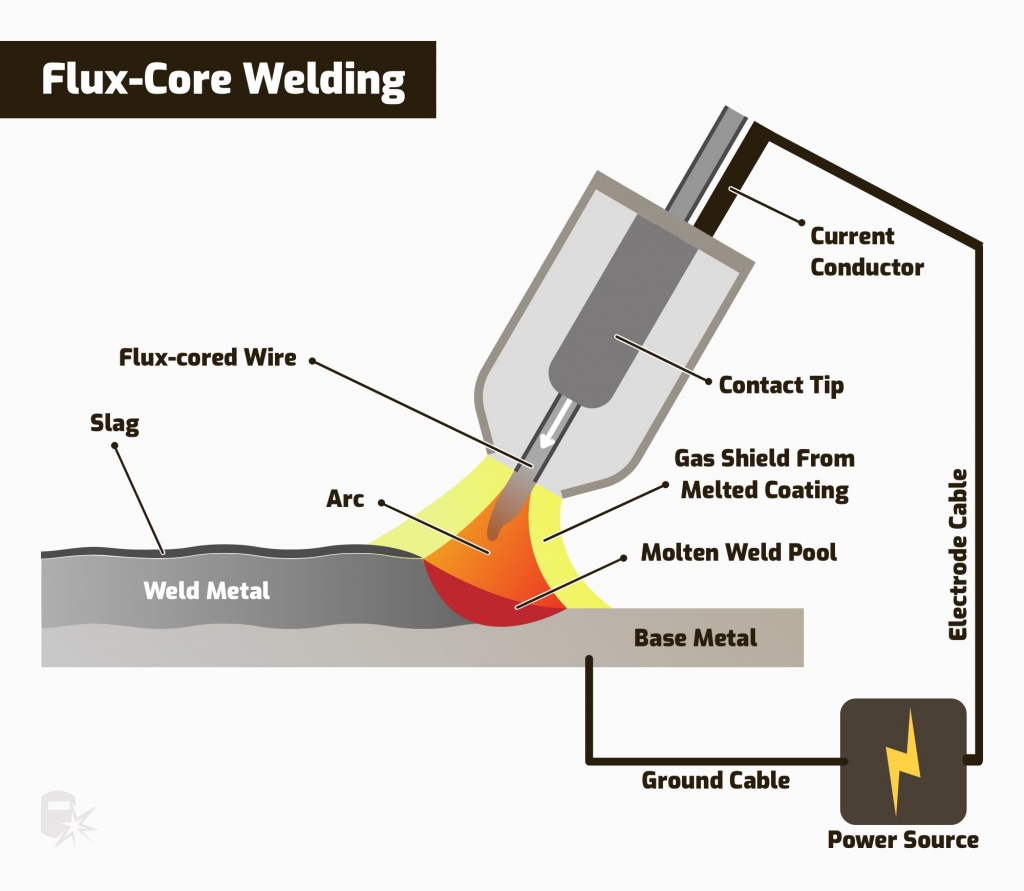
It’s a deceptively simple concept with powerful implications. Flux comes in various forms – it might be a coating on a welding rod (like with stick welding, officially called Shielded Metal Arc Welding, or SMAW), or it could be a powdered core inside a special welding wire (Flux-Cored Arc Welding, FCAW). But its mission remains the same: shield and purify.
How Does This Magical Flux Work Its Wonders?
Okay, so it protects. But how? This is where the chemistry gets cool, even if you just grasp the basics!
First off, when flux gets heated by the welding arc, it melts and creates a protective cloud of gas around the weld pool. This gas barrier displaces the oxygen and nitrogen from the air, effectively creating a miniature, impurity-free atmosphere right where the welding magic is happening. Imagine trying to perform delicate surgery while someone keeps sneezing over the patient – you'd want a shield, right? Same principle!
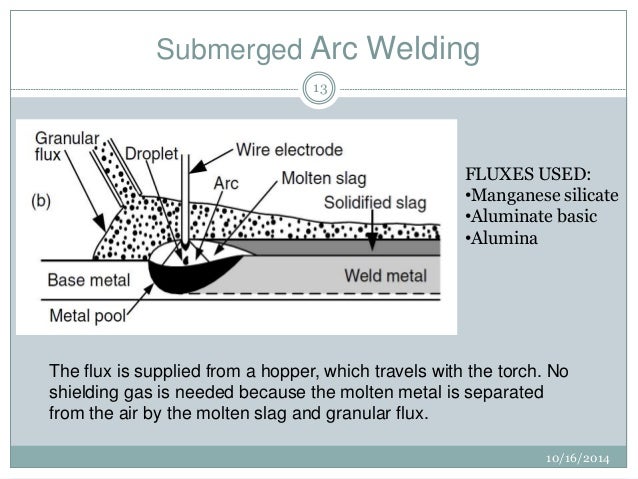
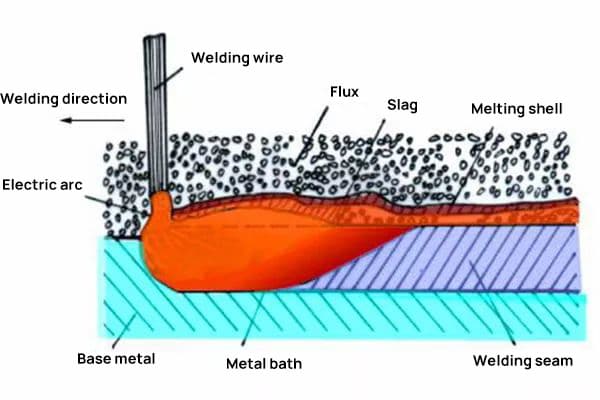
But wait, there's more! Flux doesn't just block out the bad stuff; it also actively cleans up any impurities that might already be present or try to sneak in. As it melts, it forms a liquid layer called slag. This slag is lighter than the molten metal, so it floats to the top, like scum on a pond. Here’s the clever part: slag is formulated to absorb those pesky oxides and nitrides, drawing them out of the weld pool. When the weld cools, the slag solidifies into a crust that you can easily chip away, revealing a clean, strong weld underneath.
Think of it as a little magnet that attracts all the crud, pulls it to the surface, and then hardens into a protective, removable shell. Pretty ingenious, right? Some fluxes can even add desirable alloying elements to the weld, further enhancing its strength and properties!

Why Should You Care About a Little Thing Called Flux?
You might be thinking, "This is interesting, but how does this make my life more fun?" Well, dear reader, it’s all about appreciation and understanding!
Next time you drive over a massive steel bridge, look up at a towering skyscraper, or even admire the sturdy frame of a heavy machine, you’ll know that behind its visible strength, there’s an invisible army of flux that made it possible. You'll appreciate the incredible engineering and the clever solutions that go into making our world resilient.
Understanding flux is like getting a peek behind the curtain of modern manufacturing. It turns mundane objects into testaments of human ingenuity. It shows you how a tiny, seemingly insignificant detail can have a massive impact on strength, safety, and durability. It’s a subtle reminder that often, the most important work happens out of sight, protecting and perfecting the visible elements.
And hey, if you ever decide to try your hand at welding (and maybe you should! It's incredibly empowering to create something strong with your own hands!), you'll approach it with a deeper respect for the materials and processes involved. You’ll know that the little coating on that stick electrode isn't just there for decoration; it’s the bodyguard, the cleaner, the silent guardian of your perfect weld.
Go Forth and Be Inspired!
So, there you have it: flux isn't just a technical term; it's a testament to brilliant problem-solving and an essential ingredient in countless structures that shape our everyday lives. It’s a silent, humble hero, ensuring that the welds holding our world together are as strong and reliable as they need to be.
Next time you see something welded, give a little nod to flux. And remember, the world is full of these hidden wonders! By understanding the "why" behind things, even something as small as a coating on a welding rod, we unlock a richer, more fascinating view of the incredible world around us. Keep that curiosity burning, just like a welding arc, and you'll always find something new and inspiring to learn!