Define Renewable Energy And Nonrenewable Energy
Think about flipping a light switch. Or driving your car. Or even just enjoying a cup of hot coffee on a chilly morning. All of these everyday actions rely on energy. But where does that energy come from? And more importantly, how sustainable are the sources powering our lives? Understanding the difference between renewable and nonrenewable energy is crucial in today's world.
At its core, energy powers everything we do. From keeping our homes comfortable to fueling our industries, it’s the unsung hero of modern life. Knowing the different types of energy helps us make informed choices about how we use it and what impact those choices have on the planet. Understanding renewable vs. nonrenewable allows us to better appreciate the implications for generations to come.
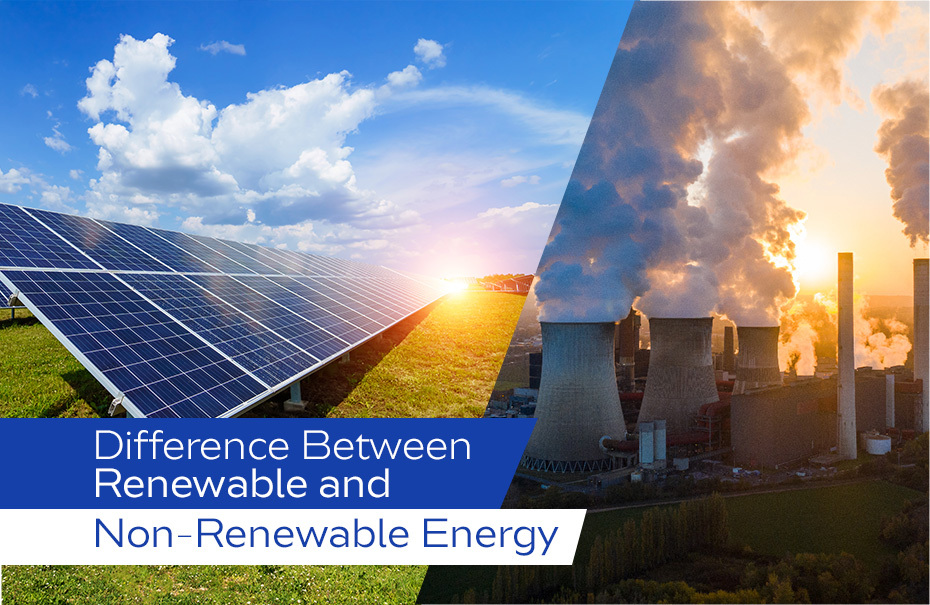
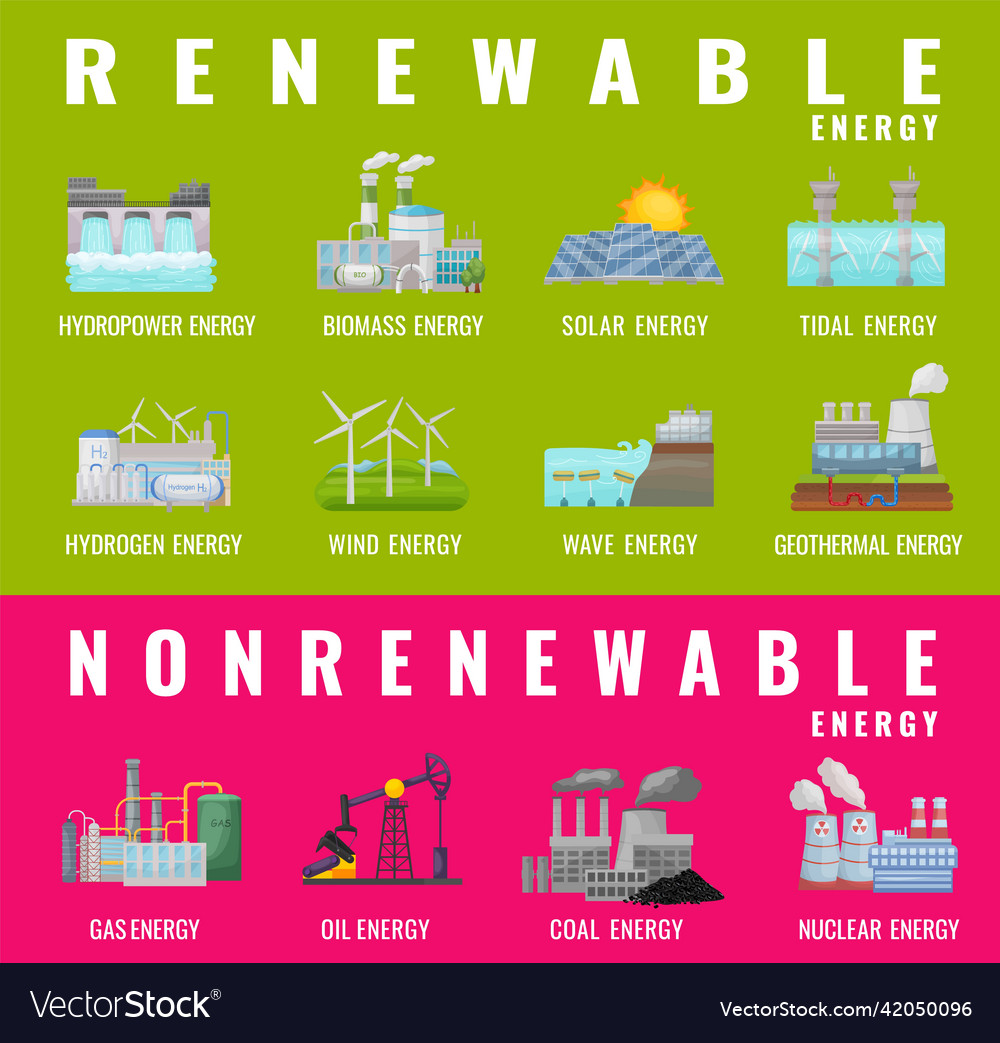
Let's start with nonrenewable energy. These are resources that exist in limited quantities and can't be replenished on a human timescale. Imagine a giant jar of candy. Once you've eaten it all, that's it! Fossil fuels like coal, oil, and natural gas are the prime examples. We burn them to generate electricity, power our vehicles, and heat our homes. While they've been instrumental in powering industrial revolutions, their extraction and use come with significant environmental consequences, including air and water pollution, and the release of greenhouse gases which contribute to climate change.
Must Read
Now, let's turn to the more sustainable side: renewable energy. These are resources that naturally replenish themselves over a relatively short period. Think of the sun, wind, and water – they're constantly providing energy! Solar power, harnessed through photovoltaic panels, converts sunlight directly into electricity. Wind energy utilizes turbines to capture the kinetic energy of the wind and transform it into electricity. Hydropower harnesses the energy of flowing water, often through dams, to generate electricity. Geothermal energy taps into the Earth's internal heat, and biomass energy utilizes organic matter for fuel. The great thing about renewable energy sources is that they produce significantly less pollution and greenhouse gases compared to fossil fuels, making them essential in combating climate change.

So, how can we enjoy renewable energy more effectively and lessen our reliance on nonrenewables? Start small! Consider installing energy-efficient appliances in your home, which will reduce your energy consumption. Support companies that are committed to using renewable energy sources. Educate yourself about the different types of renewable energy and their benefits. Even simple actions like turning off lights when you leave a room and unplugging electronics when they're not in use can make a difference. You might even look into installing solar panels on your roof or purchasing electricity from a renewable energy provider. It may seem daunting, but the collective impact of individual actions can be huge.
By understanding the distinction between renewable and nonrenewable energy, and by actively seeking ways to incorporate more sustainable practices into our lives, we can all contribute to a cleaner, healthier, and more sustainable future for ourselves and generations to come. It’s not just about flipping a switch; it’s about choosing the right kind of power to illuminate our world.