
Define Renewable And Nonrenewable Energy Sources

Ever wonder where the juice that powers your phone, lights up your house, and keeps your pizza oven blazing comes from? It all boils down to energy, baby! But not all energy sources are created equal. Let's dive into the world of renewable and nonrenewable energy, making it so simple, even your pet goldfish will understand!
Renewable Energy: The Energy That Keeps on Giving!
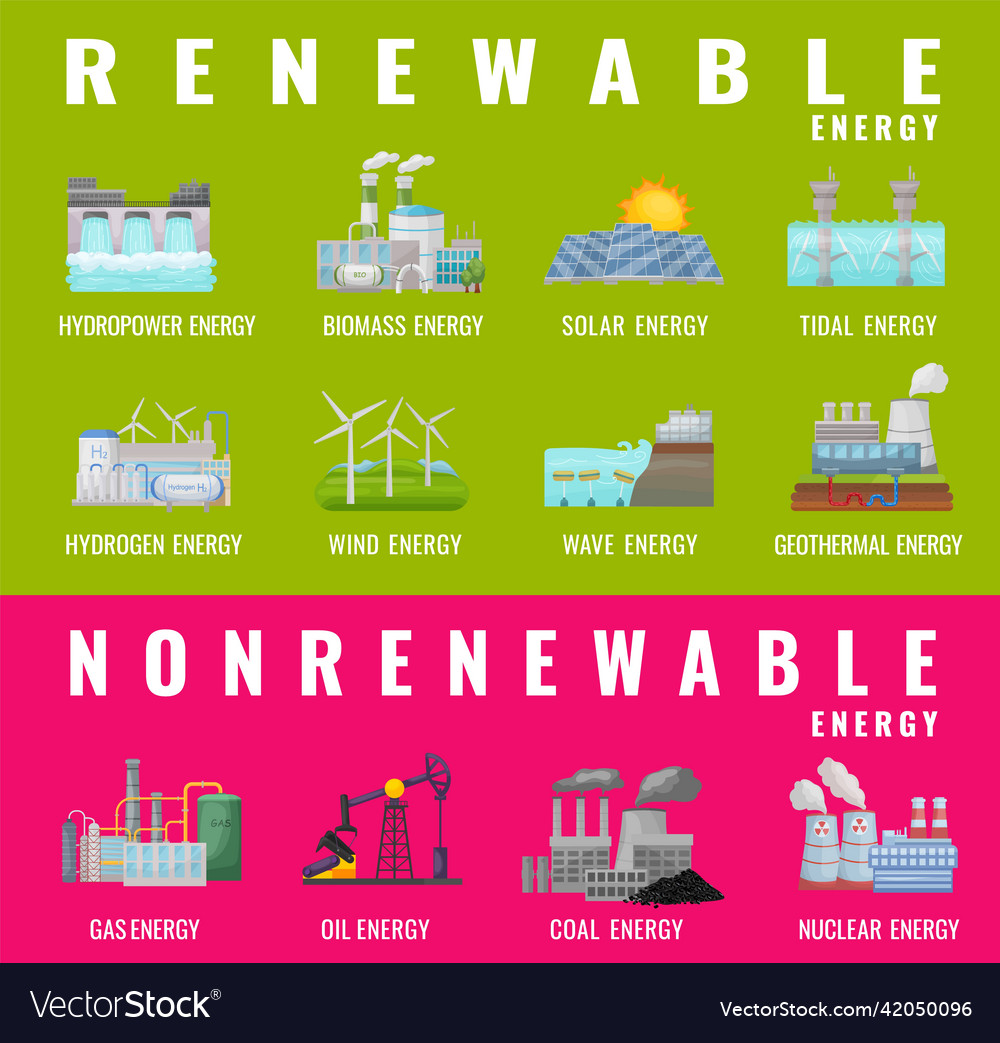
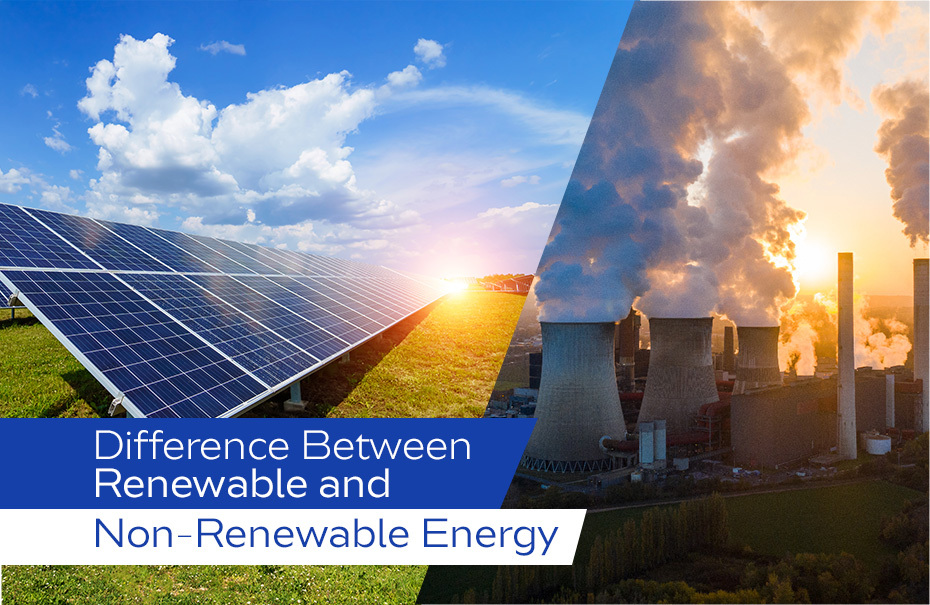
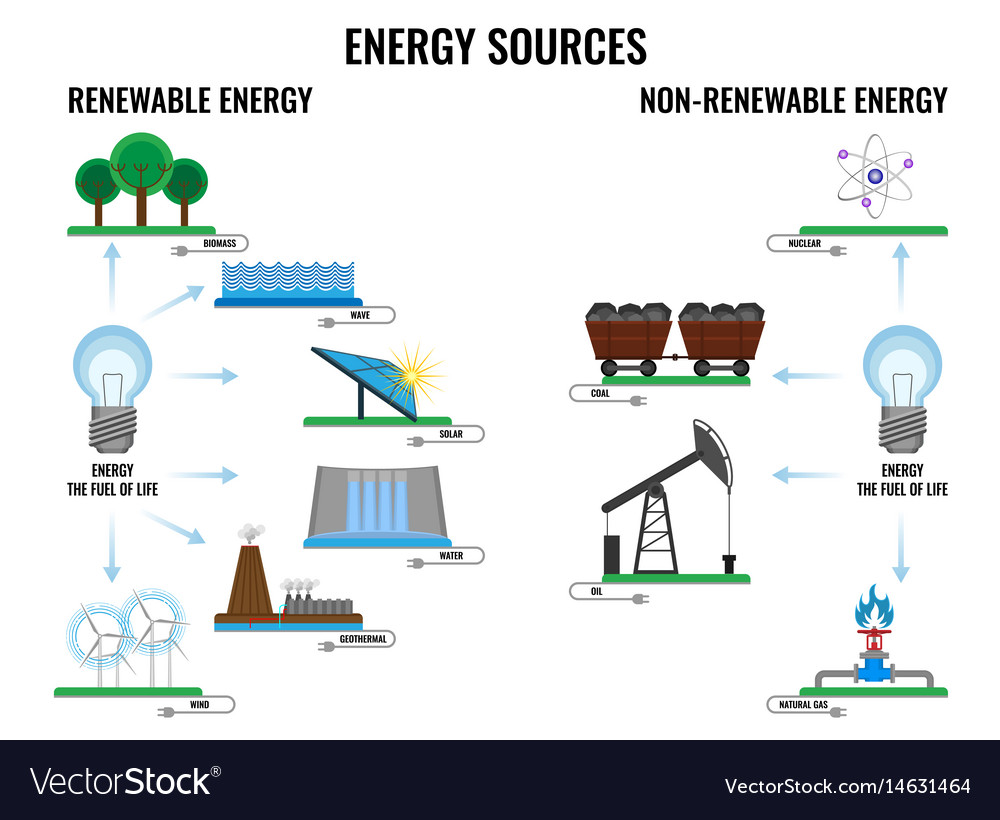
Think of renewable energy as that super-generous friend who always brings a never-ending supply of cookies to the party. It's the kind of energy that replenishes itself naturally, like magic! We're talking sunshine, wind, water, and even the Earth's own heat.
Solar Power: Harnessing the Mighty Sun
Imagine thousands of tiny solar panels acting like miniature sun-catchers, greedily soaking up the sun's rays. They transform that sunlight into electricity, powering everything from your calculator to entire cities. It's like having your own personal star beaming power directly to your outlets!
Must Read
The best part? The sun isn't going anywhere anytime soon (unless a rogue planet decides to play bumper cars with our solar system, but let's not dwell on apocalyptic scenarios). So solar power is practically limitless. It's a true gift from the cosmos!
Wind Power: Catching the Breezy Vibes
Those giant windmills you see gracefully spinning in fields? Those aren't just for show! They're actually super-efficient energy-generating machines, powered by the wind. They are catching the windy vibes.
As the wind whooshes past the blades, it turns a turbine inside the windmill, creating electricity. It's like nature's own spinning top, generating clean, green energy. And lucky for us, the wind is usually always blowing somewhere on Earth!
Hydropower: Riding the River's Flow
Water, water everywhere, and now, power from it too! Hydropower harnesses the energy of moving water, usually from rivers, to generate electricity. Dams are often used to control the flow of water and channel it through turbines.
These turbines then spin like crazy, converting the water's kinetic energy into electricity. It's a pretty efficient and reliable source of power, as long as the rivers keep flowing (and hopefully, they will!). Think of it as the Earth's natural water slide, with a power plant at the bottom.
Geothermal Energy: Tapping into Earth's Inner Warmth
Did you know that the Earth itself is a giant ball of molten rock and heat? Geothermal energy taps into this internal heat to generate electricity. It's like sticking a giant straw into the Earth's core and sucking out the energy, but, you know, in a much more controlled and scientific way.
Geothermal power plants use steam from underground reservoirs of hot water or steam to spin turbines and generate electricity. It's a constant and reliable source of power, as long as we don't accidentally drain the Earth's internal heat dry (which, thankfully, is highly unlikely!).
Biomass Energy: Turning Trash into Treasure
Biomass energy involves burning organic matter, like wood, crops, and even garbage, to generate heat or electricity. It's like turning your leftovers into power!
While burning stuff might sound a bit old-school, modern biomass power plants are designed to be much cleaner and more efficient than traditional methods. Plus, it can help reduce waste and create a use for materials that would otherwise end up in landfills.
Nonrenewable Energy: The Energy That Runs Out
Nonrenewable energy is like that stingy friend who hoards all the cookies and refuses to share. It's the kind of energy that, once used, is gone forever (or at least, takes millions of years to replenish). We're mainly talking about fossil fuels: coal, oil, and natural gas.
Coal: The Black Gold of the Past
Coal is a fossil fuel formed from the remains of ancient plants that lived millions of years ago. It's like digging up a prehistoric forest and setting it on fire (again, in a controlled manner!).
Coal is burned to generate heat, which is then used to produce steam that spins turbines and generates electricity. It's been a major source of power for centuries, but it's also a major source of pollution.

Oil: The Slippery Stuff That Fuels Our World
Oil, also known as petroleum, is another fossil fuel formed from the remains of ancient marine organisms. It's like squeezing the juice out of prehistoric sea creatures!
Oil is used to produce gasoline, diesel fuel, and other products that power our cars, trucks, and airplanes. It's also used to make plastics, lubricants, and a whole host of other things. But extracting, transporting, and burning oil can have significant environmental consequences.
Natural Gas: The Invisible Energy
Natural gas is a fossil fuel composed primarily of methane. It's often found alongside oil deposits and is extracted from underground reservoirs.
Natural gas is used to heat homes, generate electricity, and power industrial processes. It burns cleaner than coal and oil, but it's still a finite resource and contributes to greenhouse gas emissions.
Nuclear Energy: Splitting Atoms for Power
Nuclear energy is a bit different from fossil fuels. It involves splitting atoms of uranium in a process called nuclear fission. This process releases a tremendous amount of heat, which is used to generate steam and produce electricity.
Nuclear power plants don't produce greenhouse gas emissions, but they do generate radioactive waste, which needs to be carefully stored and managed. It is a complicated energy with some risk factors involved.
The Big Showdown: Renewable vs. Nonrenewable
So, which energy source reigns supreme? Well, it's not quite a simple answer. Nonrenewable energy sources have been the dominant players for decades, providing a reliable and relatively inexpensive source of power. However, they're finite, contribute to pollution, and accelerate climate change.
Renewable energy sources, on the other hand, are clean, sustainable, and practically limitless. But they can be more expensive to develop and deploy, and their availability can be intermittent (the sun doesn't shine at night, the wind doesn't always blow).
The future of energy likely involves a mix of both renewable and nonrenewable sources, but with a growing emphasis on renewable energy as technology improves and costs come down. It's like having a buffet of energy options, where we can choose the best dishes to satisfy our energy needs while also protecting the planet. So, let's all do our part to support renewable energy and create a brighter, cleaner future for generations to come!