
Define Engineering Design Process In Engineering

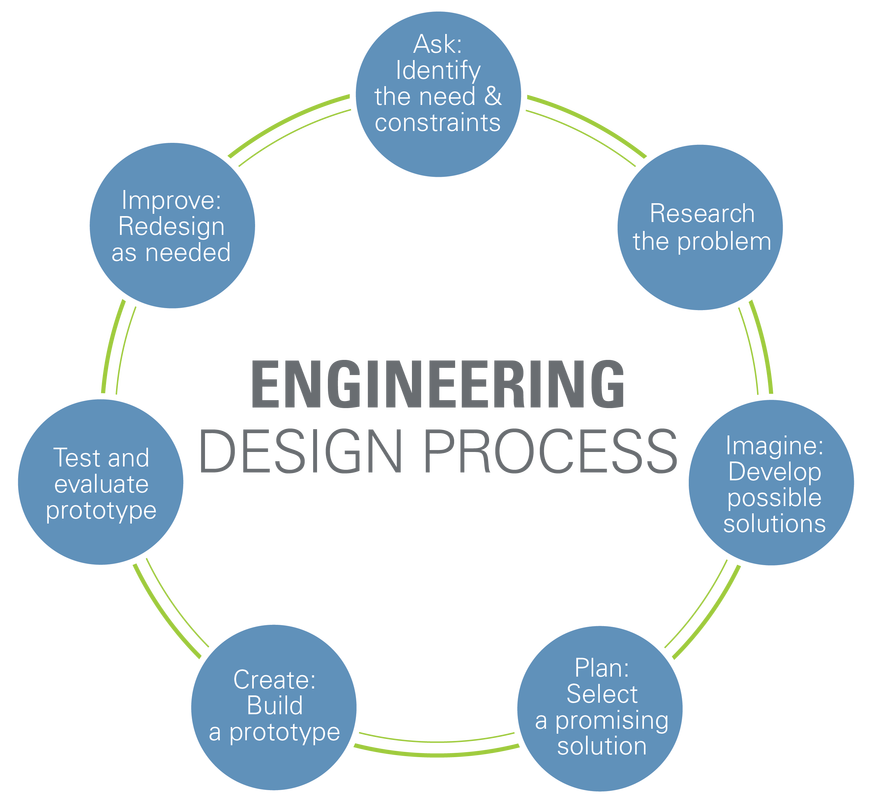
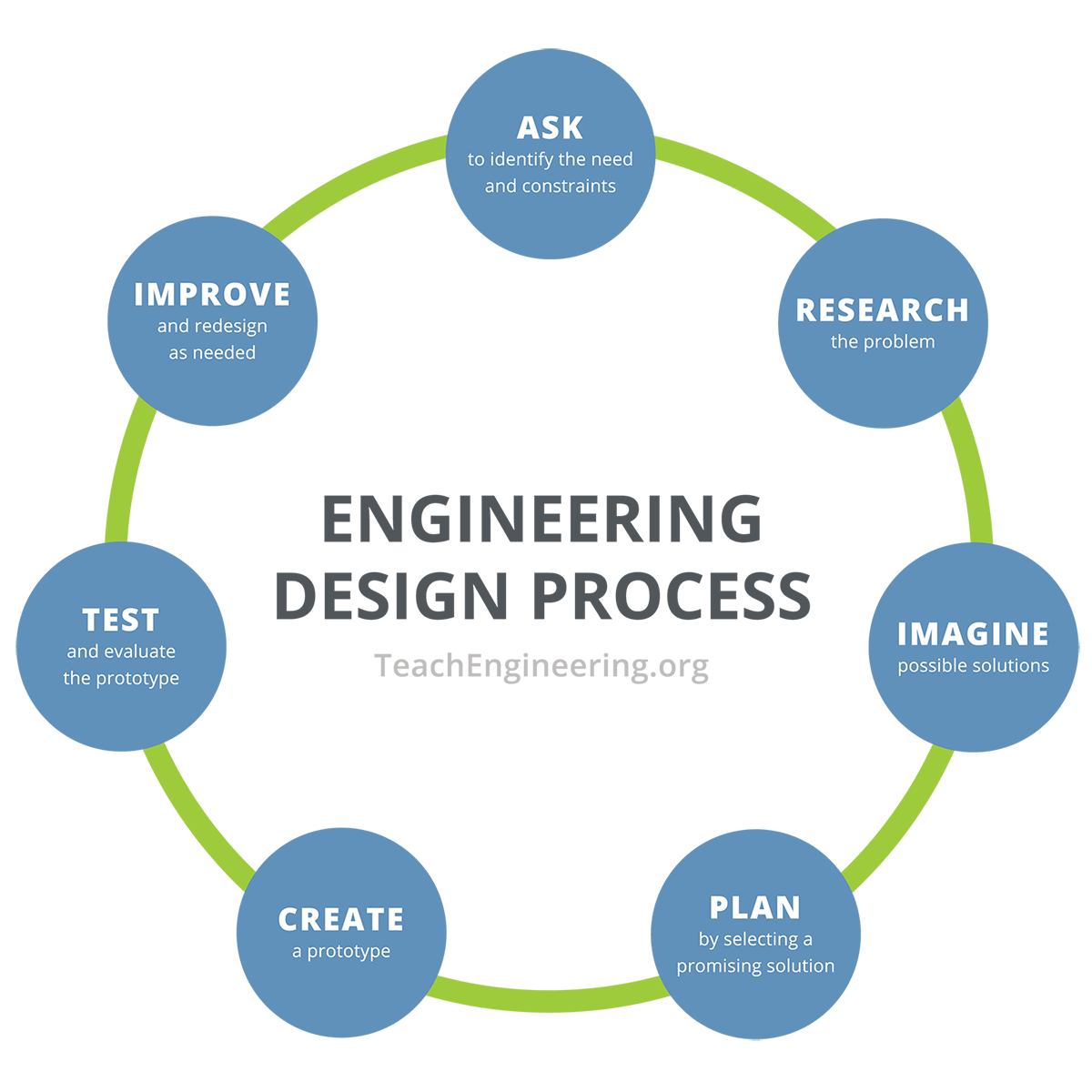
Okay, let's talk Engineering Design Process. Don't run away! It's not as scary as it sounds. In fact, I have a sneaking suspicion... it's basically how everyone solves problems, just with a fancy name.
Problem Solved? More Like Problem Defined
First up: Identify the problem. Duh, right? But seriously, how many times have you tried to "fix" something only to realize you were attacking the wrong issue?
I once spent an hour trying to get my Wi-Fi to work. Turns out, I hadn't paid the bill. Oops.
Must Read
My unpopular opinion? Defining the problem is 90% of the battle. Get that wrong, and you're just rearranging deck chairs on the Titanic.
Research: A.K.A. Google-Fu Master
Next, we've got research. Or, as I like to call it, "asking Google a lot of questions."
Seriously, who actually remembers stuff they learned in school? We're all just really good at searching the internet.
This stage is about understanding what's already out there. Don't reinvent the wheel, unless you can make it square and then somehow convince everyone it's better. (Good luck with that.)
Brainstorming: Where Crazy Ideas Come to Party
Now comes the fun part: brainstorming! Throw out all the ideas, even the ridiculous ones. Especially the ridiculous ones.
That's how you end up with things like self-lacing shoes and edible water bottles. Okay, maybe the edible water bottles still need some work...

My unpopular opinion here? There are no bad ideas, only ideas that haven't been properly caffeinated. (Or maybe they're just genuinely bad. Who am I to judge?)
Prototyping: Turning Dreams into Duct Tape
Prototyping is where you turn your crazy ideas into something... tangible. Usually involving duct tape.
This is where reality hits. Hard. Your brilliant design might be completely impractical.
Don't be discouraged! Failure is just learning with more steps. And possibly more duct tape residue.
Testing: The Moment of Truth (and Potential Humiliation)
Testing. The moment of truth. Will your creation stand up to scrutiny? Or will it collapse in a heap of disappointment?
Be prepared for feedback. And not just the nice kind. People will find flaws. They will point them out. Sometimes gleefully.
My unpopular opinion? Constructive criticism is overrated. I prefer compliments and free pizza.
Analysis: What Went Right? What Went Wrong? Blame Someone Else?
Analysis time! Okay, so maybe don't actually blame someone else. (Unless they really deserve it. Just kidding! Mostly.)
Figure out what worked, what didn't, and why. Be honest with yourself, even if it stings a little.
This stage is crucial for improvement. Learn from your mistakes, so you can make new and exciting mistakes next time.
Iteration: Rinse and Repeat (Until Perfect... Or Good Enough)
Iteration. The never-ending cycle. Go back to the drawing board. Tweak. Adjust. Refine.
Keep repeating steps four to seven until you're satisfied (or until your deadline looms too close to ignore).
My unpopular opinion? Perfection is a myth. Aim for "good enough" and then go take a nap.
Communication: Explaining Your Genius to the Uninitiated
Finally, communication. You need to explain your amazing creation to other people. In a way they can understand.
This is harder than it sounds. Trust me. Try explaining quantum physics to a goldfish.
Use clear language, diagrams, and maybe a little bit of showmanship. Sell your vision!
The Engineering Design Process: Just Common Sense in a Fancy Suit?
So, there you have it. The Engineering Design Process. Identify, research, brainstorm, prototype, test, analyze, iterate, communicate.
It sounds complicated, but it's really just a structured way to solve problems. Like figuring out how to get the last slice of pizza without anyone noticing.
My final, and possibly most controversial, unpopular opinion? The Engineering Design Process is just a fancy way of saying "think before you act." Don't tell the professors I said that.

Examples: Engineering Design Process in Action
Let's see some practical examples of Engineering Design Process:
Designing a Better Coffee Mug
Imagine designing a coffee mug. First, identify the problem: current mugs spill easily. Then, you research existing mug designs and materials. Next, brainstorm new features: non-spill lids, ergonomic handles, built-in heaters. You prototype a few designs, maybe using clay or 3D printing. Then, you test them: see if they spill, stay hot, and are comfortable to hold. Analyze the results: identify the strengths and weaknesses of each design. Iterate by making improvements based on the test results. Finally, communicate the design to a manufacturer.
Creating a More Efficient Bicycle
Let's say you want a bike that's easier to ride uphill. Identify the problem: existing bikes require too much effort on inclines. Research different gear systems and lightweight materials. Brainstorm new designs: electric assist, lighter frames, optimized aerodynamics. Prototype a modified bike or a new frame design. Test the prototypes on hills, measuring speed and effort. Analyze the data: identify what aspects improve efficiency. Iterate by refining the design based on test results. Lastly, communicate the final design to bike manufacturers.
Developing a User-Friendly App
Consider developing a new mobile app. First, identify the problem: users struggle to find local events. Research existing event apps and user interfaces. Brainstorm new features: interactive maps, personalized recommendations, social sharing. Prototype the app's interface and core functionalities. Test the prototype with real users, gathering feedback on usability. Analyze the feedback: identify areas for improvement. Iterate by making changes to the interface and features. Communicate the app's functionality and benefits through marketing materials.
Conclusion: Go Forth and Engineer (or Just Solve Problems Really Well)
So, the next time you're facing a challenge, remember the Engineering Design Process. Or don't. Just think about what you're trying to achieve, experiment a little, and don't be afraid to fail.
And maybe, just maybe, you'll end up inventing the next self-lacing shoe. Or, you know, just fixing your Wi-Fi bill. Both are equally impressive in my book.
Now, if you'll excuse me, I have some edible water bottles to perfect. Wish me luck!