
Cubic Feet To Mmbtu Natural Gas

Ever paused to think about the invisible force that heats your morning coffee, warms your shower, or even bakes that delicious pizza? We're talking about natural gas, a silent powerhouse fueling so much of our modern lives. But beyond the simple click of your stove, there's a fascinating dance of measurement that ensures you're paying for exactly what you get: the journey from cubic feet to MMBtu.
Sounds a bit technical, right? Don't worry, we're going to make it as smooth as a perfectly brewed espresso. Think of it less as a science lesson and more as unlocking a secret level in your understanding of home economics and energy smarts. Let's peel back the layers!
The Invisible Fuel in Your Life
Natural gas is everywhere, even if you can't see it. It's the primary energy source for heating millions of homes, powering industrial plants, and generating electricity. It’s mined from deep underground, a fossil fuel formed over millions of years, patiently waiting to bring warmth and energy into our world. Pretty cool, huh?
Must Read
Historically, people have harnessed natural gas for millennia. Ancient Chinese civilizations used bamboo pipelines to transport it for lighting and heating as early as 500 B.C.! Fast forward to today, and its journey from subterranean rock to your kitchen burner is a marvel of modern engineering.
Decoding Your Gas Bill: Why Volume Isn't Enough
When natural gas is first extracted and piped, it's often measured by volume. The most common unit? Cubic feet (or CCF, which stands for 100 cubic feet). Imagine a box, about a foot long, wide, and tall – that's one cubic foot. Your gas meter often ticks away, counting how many of these invisible boxes of gas pass through it.
So, you might think, "Okay, I use X amount of cubic feet, I pay for X amount of cubic feet." Simple, right? Not quite! Here’s the catch: not all natural gas is created equal. Just like different types of wood burn with varying intensity, the energy content of natural gas can differ depending on its source and composition.
For instance, gas rich in methane will pack more heat than gas with higher concentrations of other inert gases. Selling by pure volume would be like buying a bag of mixed fruit where some pieces are ripe and juicy, and others are just unripe filler – you wouldn't be getting consistent value for your money.
Enter the Mighty MMBtu: The Energy Whisperer
This is where the MMBtu steps onto the stage. MMBtu stands for Million British Thermal Units. A British Thermal Unit (BTU) is a unit of energy. To give you a relatable idea, one BTU is roughly the amount of energy needed to raise the temperature of one pound of water by one degree Fahrenheit. So, an MMBtu is a million of those!

Think of it like this: cubic feet measure the space the gas takes up, while MMBtu measures the oomph, the actual heat-producing power, contained within that gas. When you're paying for natural gas, you're not just paying for the volume; you're paying for the usable energy it provides.
The Great Conversion: From Space to Oomph
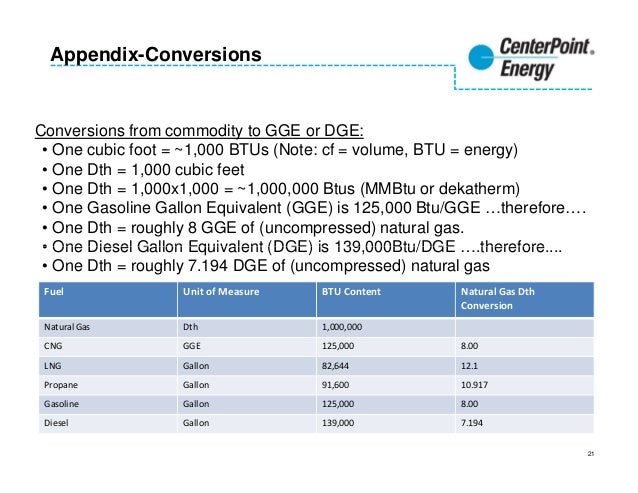
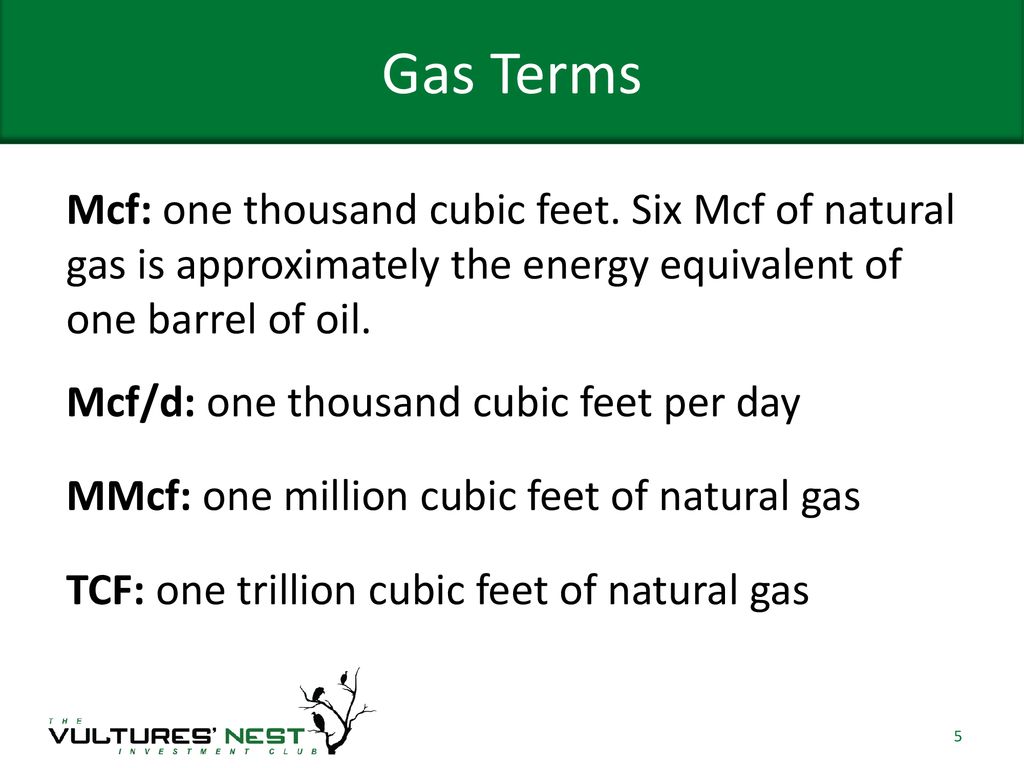
So, how do we get from a physical space (cubic feet) to an energy measurement (MMBtu)? Utility companies and energy markets have a conversion factor. On average, one MMBtu of natural gas is roughly equivalent to about 1,000 cubic feet. However, this is an average, and the exact conversion factor can fluctuate slightly based on the actual heat content (BTU per cubic foot) of the gas delivered to your home or business.

Utility providers regularly test the gas quality in their pipelines to ensure accurate billing. This ensures fairness for everyone. You're not just buying a quantity; you're buying a guaranteed amount of heat!
Practical Perks for the Savvy Consumer
Understanding this conversion isn't just for industry insiders; it empowers you!
- Demystify Your Bill: Ever seen "therms" on your gas bill? A therm is typically 100,000 BTUs, meaning 10 therms usually equal one MMBtu. Knowing this helps you truly understand what you're being charged for.
- Energy Efficiency: When you're making choices about energy-efficient appliances or insulation, understanding that you pay for the energy (MMBtu) helps you see the real savings. A more efficient furnace uses fewer MMBtus to heat your home.
- Fuel Comparison: If you're comparing the cost-effectiveness of natural gas versus, say, electricity or propane, you can convert everything to a common energy unit (like BTUs or MMBtus) to make a truly informed decision.
A Dash of Gas-Powered Fun Facts
Did you know that natural gas is often found alongside oil deposits? Or that it's considered a cleaner-burning fossil fuel than coal or oil, producing fewer greenhouse gas emissions when combusted? It's a key player in the transition to a lower-carbon future.
From powering massive electricity grids to heating your swimming pool, natural gas plays a surprisingly versatile role. It even has industrial uses beyond energy, like being a raw material in the production of fertilizers and plastics. It's truly a foundational element of modern infrastructure.
Connecting the Dots: Your Daily Energy Footprint
So, the next time you flick on your gas stove or feel the warmth of your furnace, take a moment to appreciate the journey of natural gas and the intelligent systems that ensure its fair measurement. From invisible cubic feet of volume to the powerful punch of an MMBtu, it's all designed to deliver comfort and convenience to your doorstep.
Being an informed consumer isn't just about saving a few bucks; it's about understanding the world around you and making conscious choices about your energy footprint. Cheers to being a little more enlightened about the incredible energy that fuels our everyday!