
Cuanto Equivale Un Kilometro A Una Milla
Ever found yourself scrolling through your phone, planning a trip, or even just chatting with a friend from another country, and suddenly tripped over the kilometer-mile thing? Yeah, we've all been there! It's one of those everyday head-scratchers that pops up when you least expect it. So, let’s untangle this knot, shall we?
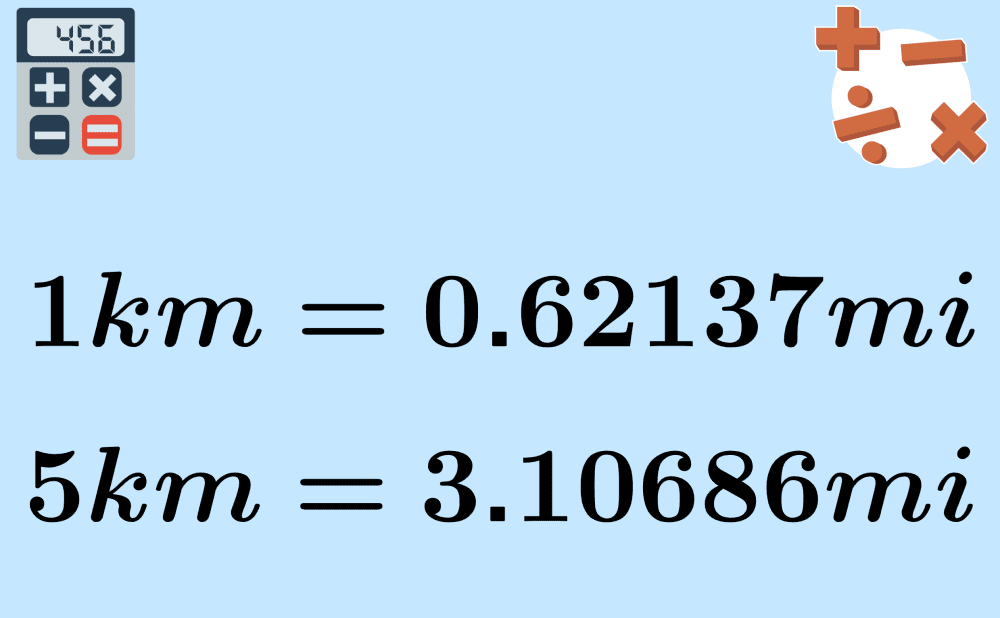
The big question: How much exactly is a kilometer in miles? Get ready for the magic number: Roughly, one kilometer is equal to 0.621371 miles. Yes, that's a mouthful! Let's just say, for everyday purposes, 0.62 miles works perfectly fine. Think of it as roughly six-tenths of a mile.
Now, I know what you're thinking: "Okay, great... but why should I even care?" Well, buckle up! Knowing the kilometer-to-mile conversion can be surprisingly handy in a ton of real-life situations.
Must Read
Planning Your Next Adventure
Imagine you're planning a road trip across Europe. The road signs are all in kilometers. You see a sign that says the next town is 100 kilometers away. If you only think in miles, that number might seem huge! But quickly doing that mental math (or whipping out your phone) tells you it’s only about 62 miles. Suddenly, that distance doesn't seem quite so daunting, does it? That's the power of knowing the conversion!
Or picture this: you're browsing hiking trails online for a weekend getaway. One trail is described as 5 kilometers long. Another is 3 miles. Which one's longer? Without knowing the conversion, you're just guessing. But knowing that 5 kilometers is a little over 3 miles, you can easily see the first trail is the longer one. Boom! Informed decision made.
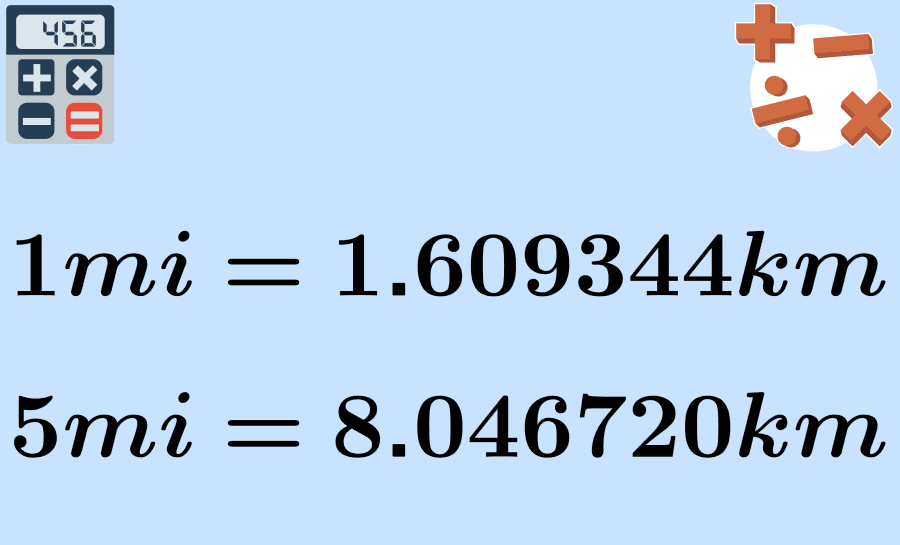
Think about running. You’re following a training plan and it calls for a 5K run. 5K stands for 5 kilometers. Now you can convert this to miles! This knowledge will help you to choose your route and accurately track your pace. So you convert 5 kilometers to about 3.1 miles. Suddenly the training plan is much easier to approach.
Understanding the World Around You
Beyond travel, this conversion pops up in all sorts of unexpected places. Weather reports are a classic example. Some countries use kilometers per hour (km/h) to measure wind speed, while others use miles per hour (mph). Knowing the conversion helps you understand the severity of a storm, no matter where the information is coming from. Is 100 km/h wind scary? Yes, it is! (That's about 62 mph, which is definitely strong enough to cause some serious damage.)

Car speeds are another common one. You're watching a European car race, and the commentator is talking about speeds of 200 km/h. Knowing that's roughly 124 mph gives you a better sense of just how fast these drivers are going! (Spoiler alert: it's really fast.)
Keeping up with Friends (and the Internet!)
Let's say you have a friend in Australia who just completed a marathon and bragged about their time. They give their results in kilometers, not miles. You might convert to know how fast they really were, and to understand the context of their achievement. Now you can properly appreciate and understand just how far they’ve come – literally!

Even online, you’ll find this coming up. When you read a technical specification for something like a drone, its range might be described in kilometers. Now you can translate that range into miles, which may make it easier to understand.
Easy Ways to Convert
Okay, so how do you actually do the conversion? Don't worry, you don't need to be a math whiz! There are tons of easy ways to convert between kilometers and miles.

- The Rule of Thumb: The easiest way is to remember that 1 kilometer is roughly 0.6 miles. To convert kilometers to miles, multiply by 0.6. Close enough for most situations!
- The Exact Method: For more precise calculations, multiply kilometers by 0.621371.
- Google is Your Friend: Just type "5 km to miles" (or any other conversion) into Google, and it'll instantly give you the answer.
- Conversion Apps: There are countless free conversion apps available for your phone. Just download one, and you'll have instant access to all sorts of unit conversions.
The key takeaway is: Don't let kilometers intimidate you! With a little practice, you'll be switching between kilometers and miles like a pro.
So, next time you encounter kilometers, don’t panic! Remember this little chat, whip out your conversion method of choice, and confidently navigate the world of kilometers and miles. It’s just another one of those little things that makes life a little bit easier (and a whole lot more interesting!). And hey, who knows, you might even impress your friends with your newfound knowledge!
Happy converting!