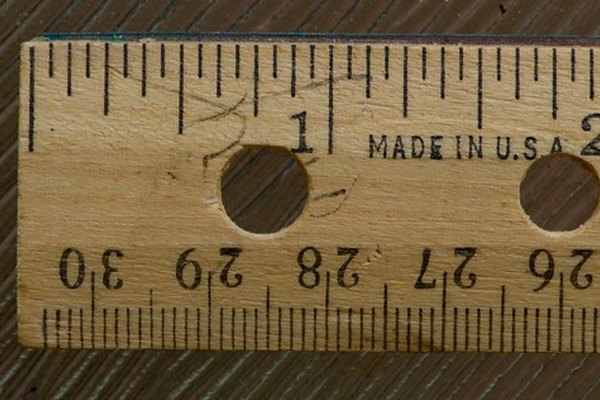
Cuantas Son 20 Pulgadas En Centimetros

Ever found yourself staring blankly at a product description online, utterly baffled by the mention of "20 inches?" You're not alone! We live in a wonderfully globalized world, but sometimes those pesky measurement conversions can trip us up. Today, we're tackling a common one: figuring out just how many centimeters are lurking within those 20 inches. Get ready for a smooth ride through the metric system!
The Big Reveal: 20 Inches to Centimeters
Alright, let's get straight to the point. 20 inches is equal to 50.8 centimeters. Simple as that! But knowing the answer is one thing, understanding why is another. Let's break down the logic.
The key is remembering the magic conversion factor: 1 inch = 2.54 centimeters. To find out how many centimeters are in any number of inches, you simply multiply that number of inches by 2.54. So, for 20 inches:
Must Read
20 inches * 2.54 cm/inch = 50.8 centimeters
Ta-da! You've officially conquered the inch-to-centimeter conversion.

Why Does This Matter? Practical Applications!
Okay, so you know the answer. But where will this newfound knowledge actually be useful? Plenty of places! Consider these scenarios:
- Online Shopping: You're eyeing that gorgeous new rug from a European retailer. The dimensions are listed in centimeters. Now you can confidently measure your living room space in inches and convert it to centimeters to make sure the rug fits perfectly. No more buyer's remorse!
- DIY Projects: Planning a crafting project with instructions written using the metric system? Knowing how to convert inches to centimeters (and vice-versa!) will save you a ton of headaches. Think: perfect-fitting picture frames, precisely cut fabric, and generally happier crafting sessions.
- Travel: Traveling abroad often means encountering metric measurements. Whether you're checking luggage size restrictions (often given in centimeters) or trying to decipher a clothing label, understanding the conversion is super helpful.
- Understanding Specifications: From the size of your television screen to the diagonal of a laptop display, inches are often used to describe these measurements. Being able to visualize this in centimeters helps to get a better understanding of the actual size and proportions.
A Little Cultural Context: Inch vs. Centimeter
The whole inches-versus-centimeters thing is a bit of a cultural divide. The United States, along with a couple of other countries, primarily uses the imperial system (inches, feet, miles, etc.). Most of the rest of the world uses the metric system (centimeters, meters, kilometers, etc.). This difference stems from historical reasons and the gradual adoption of the metric system globally.
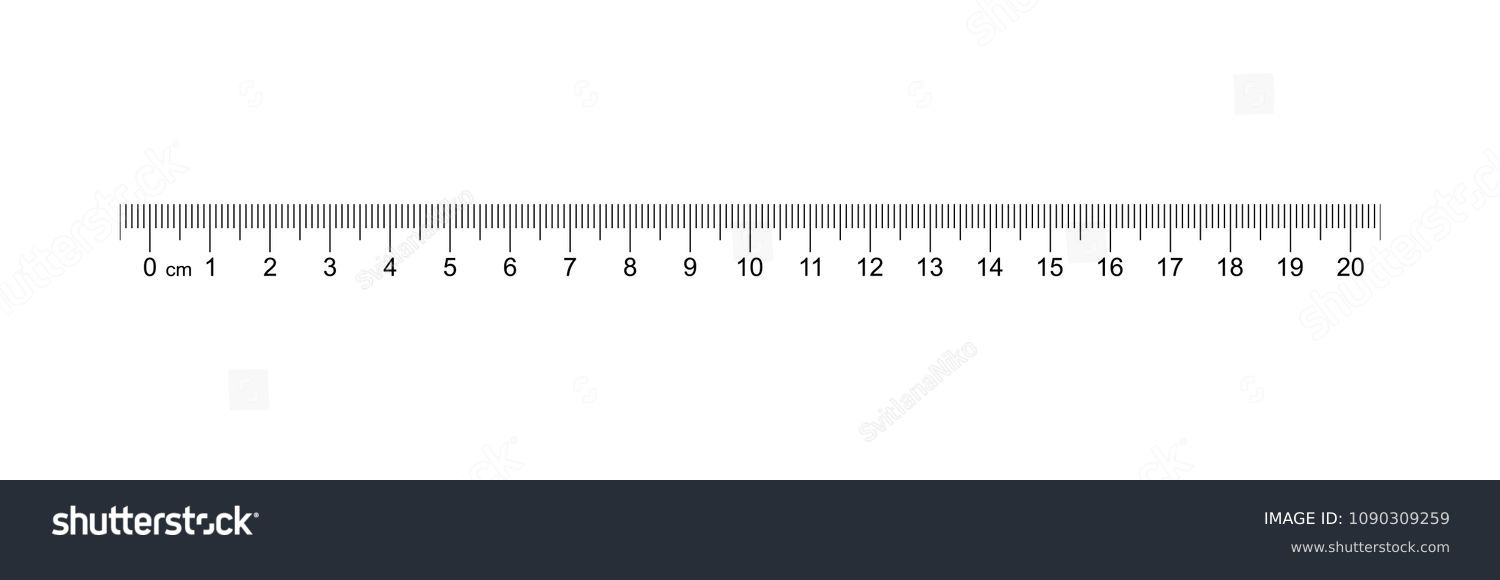
Interestingly, even within the US, the metric system is used in many scientific and technical fields. So, while you might buy lumber measured in inches at the hardware store, your doctor might measure your child's height in centimeters.
Fun Fact: The Origin of the Inch
Where did the inch even come from? Some historians believe the inch was originally based on the width of a human thumb! Can you imagine relying on someone's thumb to measure everything? Talk about imprecise! Thankfully, we have standardized measurements these days.

Pro Tip: Handy Conversion Tools
While knowing the conversion factor is great, let's be real – sometimes you just want a quick answer. Luckily, there are tons of online conversion tools and apps that can do the work for you. Just type "inch to cm converter" into your favorite search engine, and you'll be flooded with options. Easy peasy! Consider downloading a unit conversion app on your phone for ultimate on-the-go convenience.
Bookmark this article! You might need this conversion later.
Bringing it Home: Measurement in Everyday Life
Think about how often we encounter measurements in our daily lives. From reading recipes (a pinch of this, a cup of that) to figuring out how much space we have to work with, measurement is interwoven into almost everything we do. While the metric system may seem foreign at times, understanding basic conversions, like inches to centimeters, can empower you to navigate the world with a little more confidence and ease. It’s a small skill with surprisingly big impact. So, next time you see "20 inches," remember our little adventure, and you'll know exactly what you're dealing with: 50.8 centimeters of possibility!