
Crossflow Vs Counterflow Heat Exchanger Heat Transfer Quora

Alright, settle in, folks! Grab your metaphorical coffee (or, you know, a real one – I won't judge) because we're about to dive headfirst into the wonderfully weird world of heat exchangers! Specifically, we're pitting two titans against each other: Crossflow versus Counterflow. Think of it like a cage match, but instead of sweaty dudes grappling, it's hot and cold fluids trying to get… intimate. (In a purely scientific, heat-transferring way, of course.)
Now, I know what you're thinking: "Heat exchangers? Sounds boring!" But trust me, it's way more exciting than watching paint dry. Especially when you realize these things are everywhere! From your car radiator keeping your engine from exploding in a fiery ball of doom, to the power plant down the road, these clever contraptions are silently working their magic, transferring heat like they're running a tiny, invisible relay race.
The Contenders: Crossflow vs. Counterflow
Let's meet our contenders! In the blue corner, we have Crossflow. Imagine a bunch of pipes running in one direction, and another set of pipes crossing them at a 90-degree angle. Picture it like a really complicated game of pick-up sticks, but with fluids instead of sticks, and heat instead of... well, sticks. The hot fluid might flow through one set of pipes, and the cold fluid through the other. They meet, exchange some heat (awkwardly, I imagine), and then go their separate ways.
Must Read
Crossflow is kind of like that friend who only gives you a lukewarm handshake. It gets the job done, but it's not exactly enthusiastic about it. It's generally cheaper and easier to manufacture, making it the go-to choice when you don't need peak performance. Think of it as the reliable family sedan of the heat exchanger world.
And in the red corner, we have Counterflow! This bad boy is all about efficiency. Imagine the hot and cold fluids flowing parallel to each other, but in opposite directions. Think of it as two lanes of traffic going head-to-head – except, instead of road rage, they're swapping heat like gossip at a high school reunion.
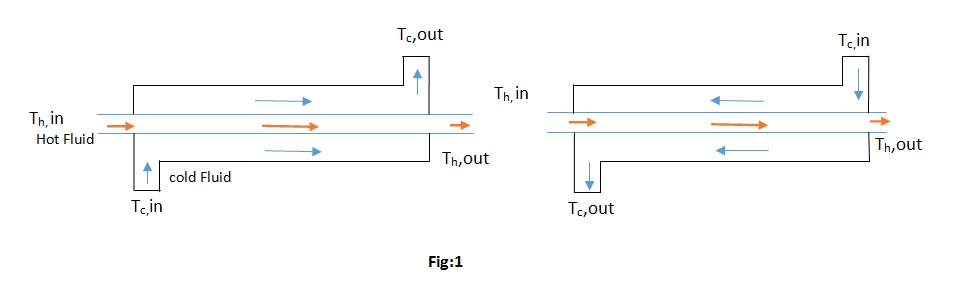
Counterflow is the equivalent of getting a bear hug from a polar bear (a warm polar bear, naturally!). It allows the cold fluid to heat up to almost the temperature of the hot fluid entering the exchanger, extracting every last bit of precious thermal energy. This makes it the champion of efficiency, the Formula One racer of heat exchangers.
Why Bother with the Difference? It's Just Heat, Right?
Okay, so why should you care? Well, imagine you're trying to boil water for your very specific brand of gourmet tea. If you used a Crossflow heat exchanger, you might end up with lukewarm tea that tastes vaguely disappointing. But with a Counterflow exchanger, you'd get perfectly boiled water, unlocking the full potential of your artisanal tea leaves and achieving peak tea-drinking enlightenment!

Okay, maybe that's a slight exaggeration. But the point is, the choice between Crossflow and Counterflow depends entirely on your application. If you need to squeeze every last drop of efficiency out of your system (like in a power plant where even a tiny improvement can save tons of money), Counterflow is the way to go. But if you just need a simple, cost-effective solution (like in your car radiator), Crossflow might be the perfect choice.
Surprising Heat Exchanger Facts (Prepare to Be Amazed!)
- Did you know that some heat exchangers are so efficient they can preheat incoming air using the heat from outgoing exhaust? It's like recycling, but for thermal energy! Talk about eco-friendly!
- Heat exchangers come in all shapes and sizes, from tiny ones used in electronics cooling to massive ones that are taller than buildings. The scale of engineering is mind-boggling.
- Engineers spend countless hours optimizing the design of heat exchangers to maximize heat transfer while minimizing pressure drop. It's a delicate balancing act, like trying to walk a tightrope while juggling flaming torches. (Don't try this at home!)
So, there you have it! A whirlwind tour of the fascinating (and surprisingly exciting) world of heat exchangers. Hopefully, you now have a better understanding of the difference between Crossflow and Counterflow, and you can impress your friends at your next dinner party with your newfound knowledge. Just don't blame me if they start looking at you funny.
Remember, whether you're boiling water for tea or cooling down a nuclear reactor, heat exchangers are quietly working behind the scenes, keeping everything running smoothly. They're the unsung heroes of the engineering world, and they deserve a little appreciation. So next time you see one, give it a little nod of respect. It's earned it!
Disclaimer: No heat exchangers were harmed in the making of this article. Also, please don't try to hug polar bears, warm or otherwise. It's generally frowned upon.
