
Cost To Run Fridge Per Month

Ever look at your fridge, humming away in the kitchen, and wonder how much it's really costing you? It's like that quiet friend who's always there, holding all your snacks and leftovers, but you never quite know their secret life... or their secret electricity bill. Well, let's peel back the door (gently, please!) and have a chat about that.
Your fridge is, without a doubt, one of the unsung heroes of your home. It keeps your milk from curdling, your veggies crisp, and your ice cream perfectly scoopable. But like any hero, it demands a little something in return. And that "something" often comes in the form of a small, steady sip of electricity. So, what's the damage, financially speaking, each month?
The Great Fridge Reveal: It Depends!
I know, I know, that's not the straight answer you were hoping for. But hear me out! The cost to run your fridge per month is a bit like predicting the weather: there are lots of factors at play. Think of it like this:
Must Read
1. Age Before Beauty (and Efficiency):
Is your fridge a sleek, modern, energy-star rated beauty? Or is it a vintage charmer from the 90s that’s been chugging along since before you knew what a smartphone was? The older fridges, bless their cotton socks, tend to be energy guzzlers. They're like that old car that runs, but drinks petrol like it's going out of style. Newer models are designed to be much more efficient, often using a fraction of the power.
2. Size Matters (Sometimes):
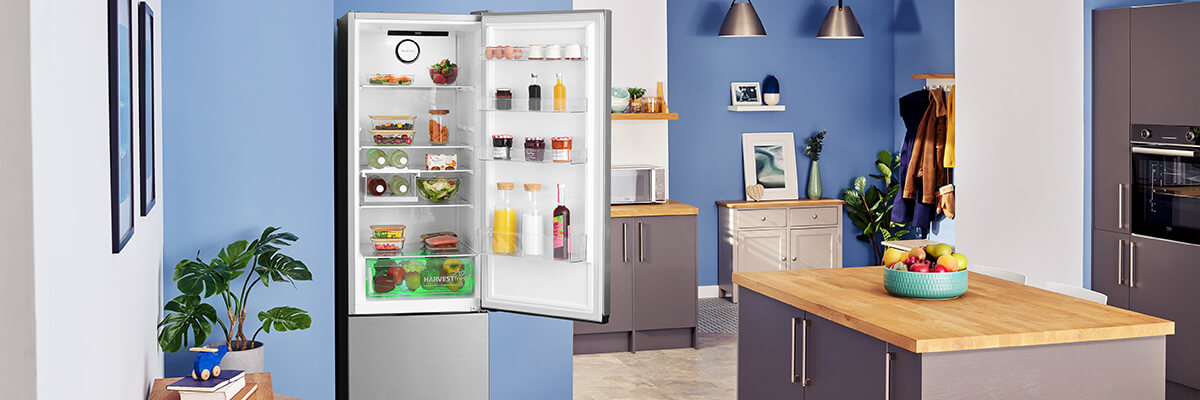
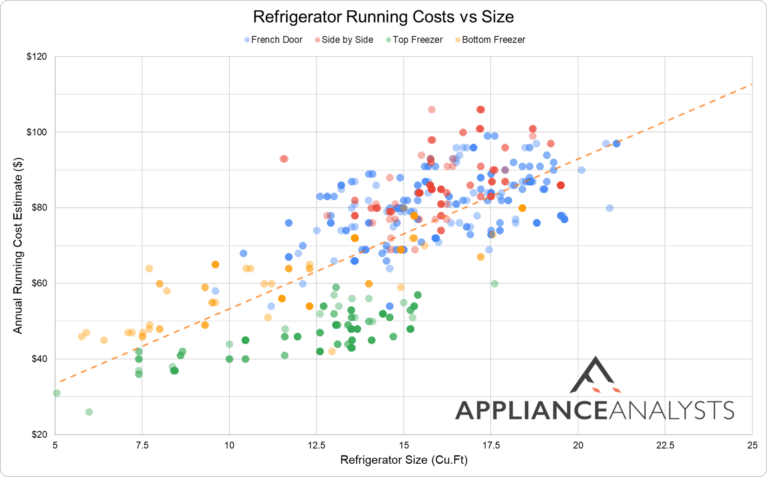
Naturally, a tiny mini-fridge in a dorm room isn't going to use as much power as a huge, double-door, ice-dispensing behemoth in a family kitchen. More space to cool means more energy needed to keep things frosty. It's just physics, folks!
3. How You Treat It:
Are you a frequent fridge-opener? Do you leave the door ajar while pondering snack options? Every time that door swings open, cold air escapes, and your fridge has to work harder (and use more energy) to get back to its optimal temperature. Think of it like constantly opening your front door in winter – all that warm air vanishes!
4. The Power of Your Power Company:
Electricity rates vary quite a bit depending on where you live. What costs one person a dime per kilowatt-hour might cost another person a quarter. So, the exact dollar amount will fluctuate.
So, Give Me A Number!
Alright, alright, let's talk some ballpark figures. For an average, modern, mid-sized fridge, you're probably looking at somewhere in the range of £3 to £10 (or $4 to $14 USD) a month. If you have an older, less efficient model, or a very large one, that could creep up to £15 or even £20+ (around $20-25+ USD) a month. That's a cup of fancy coffee or a couple of cheeky chocolate bars right there!
Why Should I Even Care About A Few Quid?
Ah, the million-dollar question! Or in this case, the few-quid-a-month question. Here's why paying a little attention to your fridge bill can make you feel like a savvy superhero:
1. The "Extra Treat" Fund:
Imagine saving even just £5 a month. That's £60 a year! That's an extra dinner out, a new book, or a few more of those fancy coffees. It’s like finding money in an old coat pocket, but better, because you created it by being smart. It's your very own "treat yo'self" fund, powered by fridge efficiency.
2. Beating the "Ghost Costs":
These small, continuous costs are often called "ghost costs" because they're there, silently draining your wallet, but you rarely notice them until you look closely. By understanding your fridge's habits, you can stop those ghosts from haunting your bank account.

3. Feeling Good About Going Green (Without Really Trying):
Using less electricity isn't just good for your wallet; it's also a tiny high-five to the planet. You don't have to become an eco-warrior overnight; simply having an efficient fridge is a small, effortless step towards a greener lifestyle. Who knew your fridge could be so responsible?
Quick Tips to Tame Your Fridge's Thirst for Power:
Want to turn that ghost cost into extra treat money? Try these simple tricks:
- Check those Gaskets: The rubber seals around your fridge door are crucial. If they're cracked or loose, cold air is escaping, and your fridge is working overtime. A simple "paper test" (close the door on a piece of paper, if it slides out easily, you might have an issue!) can reveal a leaky seal.
- Don't Overpack or Underpack: A fridge that's too full blocks air circulation, making it less efficient. But an empty fridge also has to work harder to cool all that empty space. Aim for a healthy "medium full."
- Clean the Coils: Those dusty coils at the back or bottom of your fridge? They're like its lungs! When they're covered in dust, your fridge can't cool efficiently. A quick vacuum once or twice a year can make a big difference.
- Let Food Cool Down: Don't pop hot leftovers straight into the fridge. Let them cool down on the counter first (but don't leave them out for ages, food safety first!). Hot food makes your fridge work much harder to cool down its internal temperature.
- Mind the Door: Try to grab what you need quickly and close the door. No lingering while you decide between yogurt and last night's pasta!
So, the next time you reach for that carton of milk, give your fridge a little appreciative pat. It's working hard for you, and with a few simple adjustments, you can help it work smarter, not harder, saving you a little bit of cash each month for something truly delightful. Happy saving!