
Cost To Live In Rv Full Time
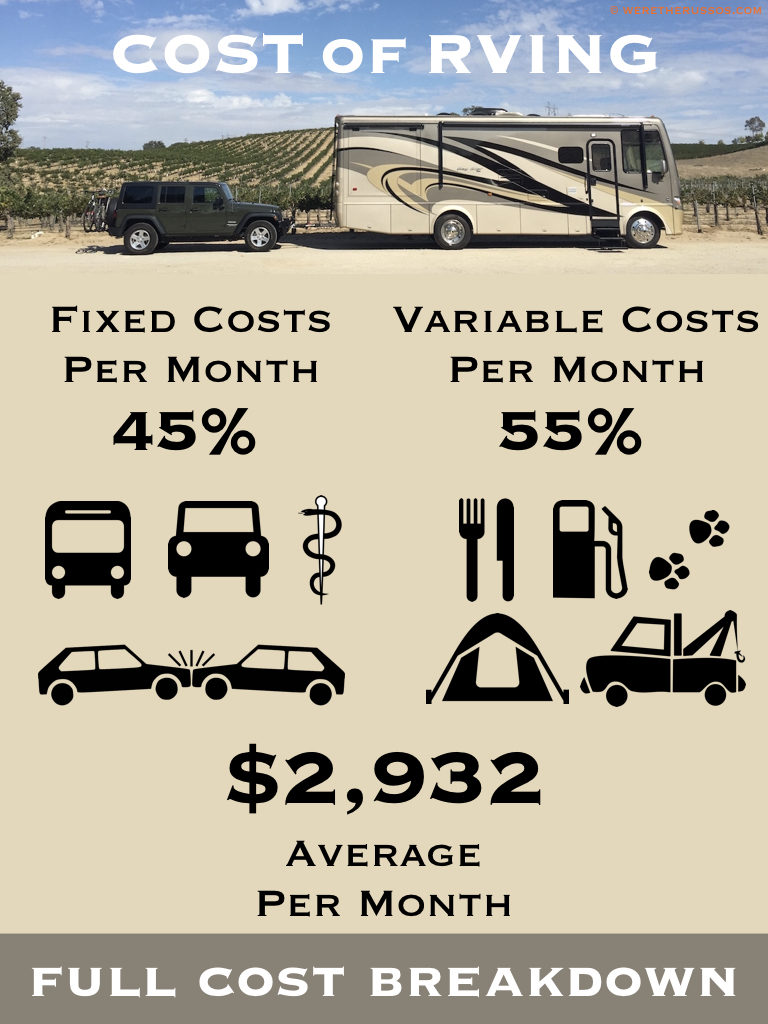
Ever daydreamed about ditching the mortgage, packing up your life, and hitting the open road? Maybe you've scrolled through Instagram, gazing at stunning photos of RVs parked by a glittering lake or nestled in a majestic forest. It looks like pure freedom, right? And often, that little voice in our heads whispers, "It must be cheaper than renting or owning a house!" Well, let's pull up a comfy chair and chat about the real scoop on the cost to live in an RV full-time. It’s a wonderful adventure, but like any good journey, it comes with its own map of expenses.
First things first: there's no single, magical number. Asking how much it costs to live in an RV full-time is a bit like asking how much it costs to eat. Do you mean a fancy steak dinner every night, or just sandwiches and ramen? See? It really depends on your flavor of adventure!
The Big Initial Splash: Getting Your Wheels
Before you even think about gas money, you need the RV itself. This is often the biggest upfront cost, much like buying a house or a car. You could go for a brand-spanking-new Class A motorhome, which is basically a mansion on wheels, setting you back anywhere from $100,000 to, well, easily over a million. Or, you could find a cozy, pre-loved travel trailer for $15,000, or even convert a van yourself for a few thousand bucks if you’re handy with a wrench and a YouTube tutorial.
Must Read
Think of it like choosing your main mode of transport for your life. Do you need a robust pickup truck, a sleek sedan, or a nimble motorcycle? Each comes with a different price tag, and RVs are no different. Don't forget the initial titling, registration, and of course, insurance. It's like home insurance and car insurance rolled into one, because, well, your home now has an engine!
Your Monthly "Rent": Where Do You Park Your Pad?
Once you have your rolling abode, where do you set up shop? This is a huge variable in your monthly budget. If you love the resort life with swimming pools, hot tubs, and planned activities, an RV park can cost anywhere from $500 to $1,500+ a month, depending on location and amenities. It's like paying for a fancy apartment, but with new neighbors every week!

On the other hand, if you're a nature lover, you might prefer state parks or national forest campgrounds, which are often much cheaper ($15-$40 a night). Or, for the truly budget-savvy and adventurous, there's boondocking (or dispersed camping). This means parking on public lands with no hookups – your backyard is literally the wilderness! It's often free, but you need to be self-sufficient with your water, power, and waste. Imagine having million-dollar views for absolutely zero rent. That's the boondocking dream!
Fueling Your Freedom (and Your Stomach)
Ah, fuel. This is often the hungry dinosaur in your budget, especially if you have a big rig and love to move around a lot. RVs aren't exactly known for their stellar gas mileage. A large motorhome might get 6-10 miles per gallon. If you're constantly chasing the sun, those fuel stops add up faster than you can say "road trip."
Then there are your everyday costs: groceries, just like living in a house. But beware: those quaint little roadside markets can sometimes be pricier than your usual supermarket. And don't forget propane for cooking and heating, especially if you're chasing cooler weather or enjoying hot showers. Water, often included at campsites, can sometimes be an extra cost or needs to be replenished. And internet? For many, it's not a luxury, it's a necessity. Think mobile hotspots, satellite internet, or campground Wi-Fi (which can be as elusive as a unicorn).

The Little Niggles: Maintenance & Unexpected Surprises
Just like any home or vehicle, things break. That leaky faucet in your house? Now it might be a leaky pipe under your sink, but in your RV, it's a mobile leaky pipe! Maintenance and repairs are an inevitable part of RV life. Tires, brakes, engine work, plumbing issues, electrical glitches – they all happen. Setting aside a "rainy day" fund for these surprises is incredibly smart. Think of it as your mobile home's emergency fund.
Other sneaky costs? Laundry (unless your RV is fancy enough to have its own), dumping fees if you're boondocking and need to empty your tanks, and even finding a good mail forwarding service so you can still get those important letters and birthday cards.

So, Why Should You Care? The Big Payoff!
Why bother with all these costs and complexities? Because for many, the trade-off is absolutely worth it. Living in an RV full-time often allows people to drastically reduce their housing costs. Imagine taking all that money you used to pour into a mortgage or rent and redirecting it towards experiences: seeing national parks, trying local foods, visiting friends and family across the country, or simply waking up to a different stunning view every week.
It’s about choosing where your money goes. Do you want to pay for a big house with a static address, or do you want to invest in freedom, adventure, and a constantly changing backyard? Many full-time RVers find they have more disposable income for fun stuff, simply because they've cut ties with traditional housing expenses.
Ultimately, the cost to live in an RV full-time is what you make of it. You can live like a king or queen on the road, spending lavishly on fancy parks and tours, or you can embrace a minimalist, budget-friendly lifestyle, finding joy in simple pleasures and free campsites. The beauty is, you get to write your own budget adventure story. And that, my friend, is a freedom worth considering.
