
Cost To Install Electric Car Charger In Home

So, you've taken the plunge! You're cruising around in your shiny new electric vehicle (EV), feeling all eco-chic and silently smug. But then reality hits you harder than a toddler discovering a permanent marker: where do you actually charge this thing?
Public charging stations are fine, I guess. Except when they're not. When they're occupied by someone browsing TikTok for an hour. Or when the one closest to you is always out of order. Enter the home EV charger: your personal gas station of the future!
The Great Home Charger Quest: How Much Will This Cost Me?
Ah, the question that keeps us all up at night. How much is this green dream going to dent my wallet? The answer, like most things in life, is: it depends.
Must Read
Think of it like ordering pizza. You could grab a cheap frozen one, or you could go for the gourmet, truffle-oil drizzled masterpiece. EV chargers are similar. There are different "levels," and the cost varies accordingly.
Level 1: The "Plug-It-Into-the-Wall" Option (aka The Tortoise)
This is the simplest option. Your EV likely came with a charging cable that you can plug into a standard 120-volt outlet. Great, right? Well, kinda.
Level 1 charging is slow. We're talking adding only a few miles of range per hour. If you drive a lot, you might be waiting longer than it takes to binge-watch a season of your favorite show. Let’s just say, this is the charging equivalent of watching paint dry. This is probably free, assuming you already have an outlet in your garage!
Level 2: The Goldilocks Charger (aka The Sweet Spot)
Level 2 chargers are the most popular choice for home charging. They use a 240-volt outlet, similar to what your dryer or oven uses. Imagine your car drinking from a firehose instead of a leaky faucet. Much faster!
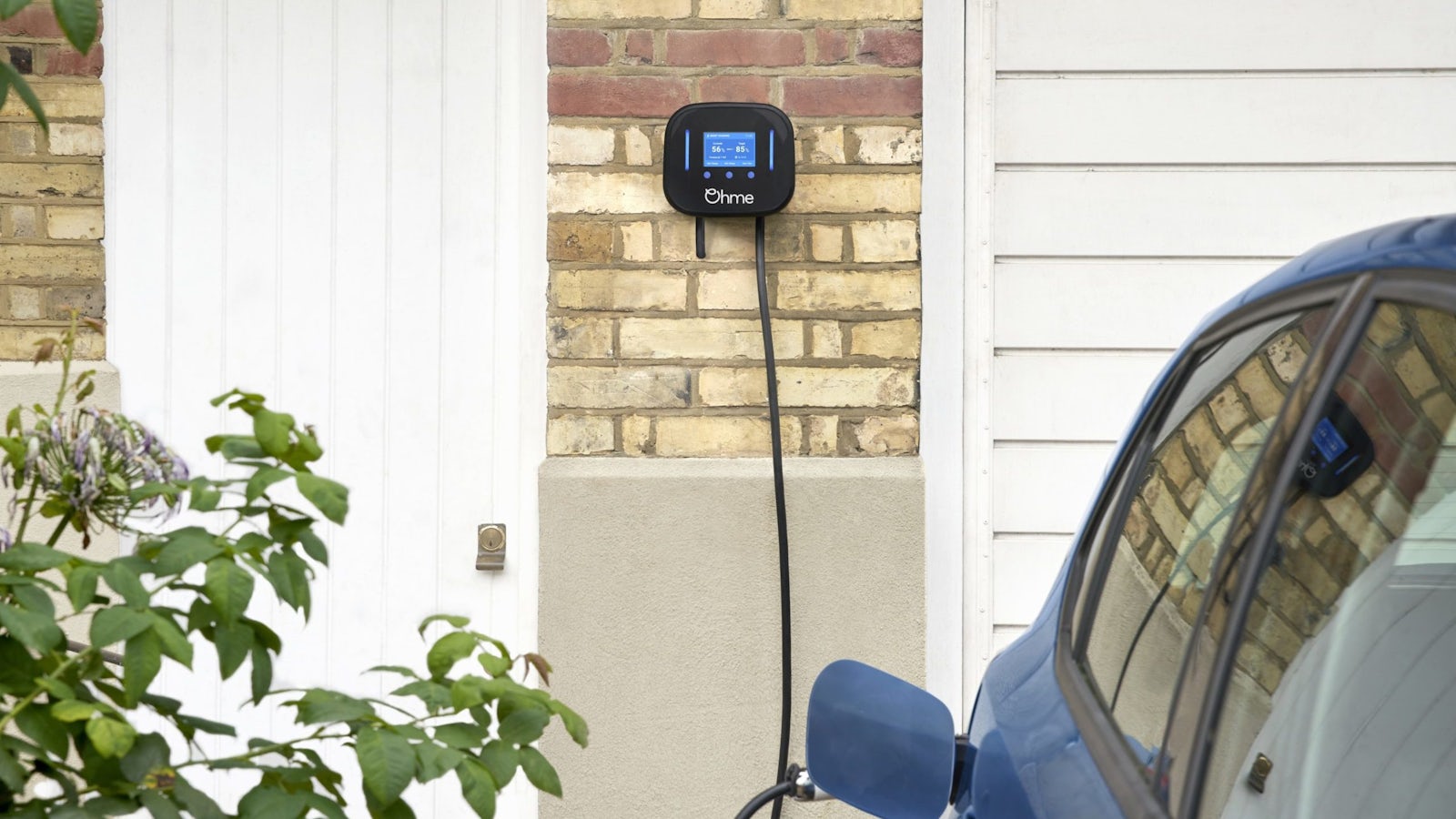
This is where things get interesting. The charger itself will cost somewhere between $400 and $1000, depending on the brand and features. Fancy ones might have Wi-Fi connectivity, allowing you to monitor charging progress from your phone. So you can keep tabs on your car like a hawk, even when you're binge-watching that show.
Here's where you’ll need an electrician. Because most homes don’t have a 240-volt outlet just waiting for your EV. Installation costs can range from $500 to $2000 or more, depending on the complexity of the job.
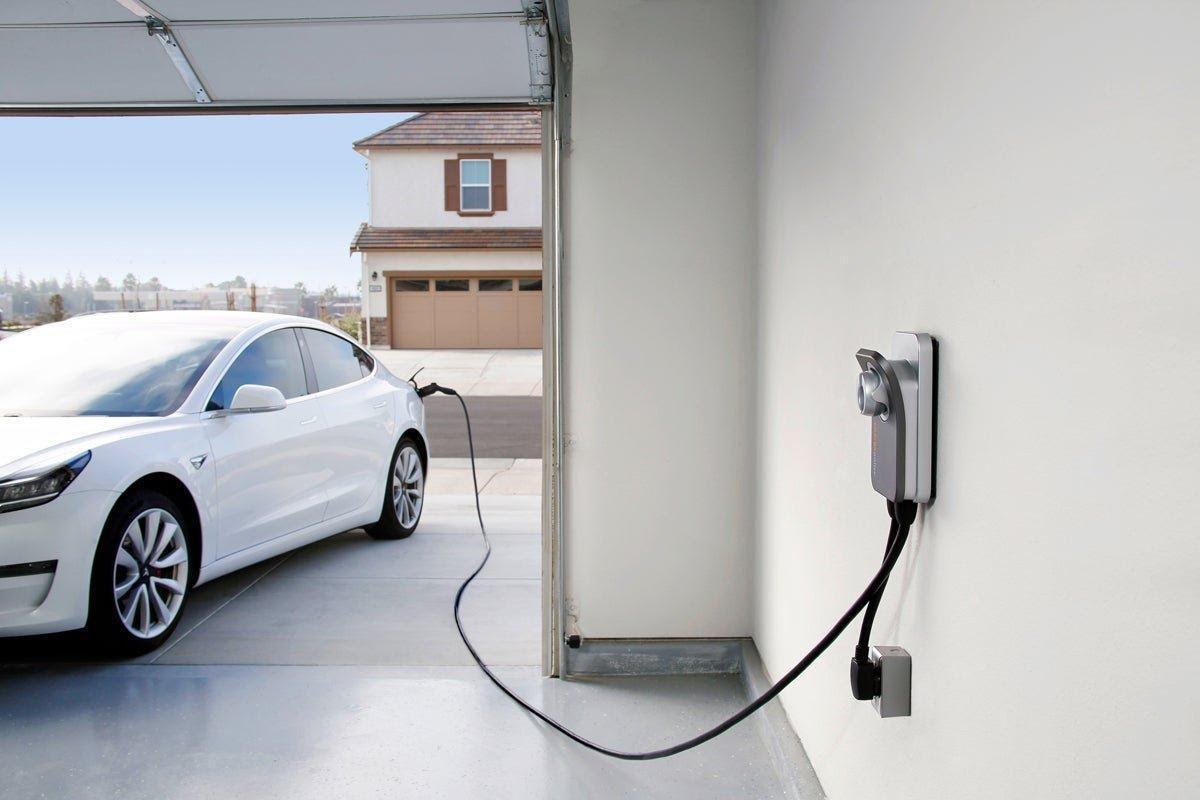
Factors like the distance between your electrical panel and where you want the charger installed play a big role. If your panel is in the basement and your garage is on the other side of the house, prepare for some extra cable-wrangling (and extra costs).
Level 3: The "I'm-in-a-Hurry" Option (aka The Road Runner)
Level 3 chargers, also known as DC fast chargers, are the speed demons of the EV world. They can add a significant amount of range in a very short time. These are generally seen at public charging stations.
While technically possible to install at home, they are extremely expensive and usually require significant electrical upgrades. We're talking tens of thousands of dollars. Unless you're running a small fleet of electric taxis from your garage, Level 3 is probably overkill for home use.
The Electrician: Your New Best Friend (and Possibly Your Bank Account's Nemesis)
Finding a qualified electrician is crucial. Don't just hire your cousin's friend who "knows a thing or two about electricity." This is serious business. A botched installation can be dangerous, leading to electrical fires or damage to your car.
Get quotes from several electricians. Ask about their experience installing EV chargers. Make sure they are licensed and insured. And for goodness sake, read the reviews! You want someone who's reliable, trustworthy, and won't leave you with a spaghetti monster of wires in your garage.
It's a good idea to talk to the electrician about your electrical panel, too. Is it up to the task? If your panel is old or already nearing its maximum capacity, you might need to upgrade it before installing a Level 2 charger.
Upgrading your electrical panel can add another significant cost to the project, potentially hundreds or even thousands of dollars.
Consider it an investment in the future! A new electrical panel not only supports your EV charger but also gives you more headroom for other appliances and gadgets.
Rebates and Incentives: Free Money (Maybe)!
Here's the good news! Many states, cities, and utility companies offer rebates and incentives for installing home EV chargers. This can significantly reduce the overall cost.
Check with your local utility company and your state's energy office to see what's available. The federal government also offers a tax credit for EV charger installation. It's like finding money in your old winter coat – a delightful surprise!
These rebates can be a game-changer, potentially saving you hundreds or even thousands of dollars. Don't leave money on the table! A little research can go a long way.
The Hidden Costs: Beyond the Charger and Installation
Okay, we've covered the basics. But there are a few other potential costs to consider. Permits, for example. Depending on your location, you might need a permit from your local government to install an EV charger.
This usually involves submitting some paperwork and paying a fee. It's not a huge expense, but it's something to be aware of. Think of it as the "adulting tax" of EV ownership.
Another thing to consider is time. Getting quotes, scheduling the installation, and dealing with permits can take time. Be patient, and don't expect the whole process to happen overnight.
It's kind of like waiting for a package to arrive. You're excited, but you have to be prepared to wait. And occasionally track its progress obsessively.
Is It Worth It? The Verdict
So, is installing a home EV charger worth the cost and hassle? For most EV owners, the answer is a resounding yes! The convenience of charging at home is hard to beat.
No more trips to public charging stations, no more waiting in line, and no more range anxiety. Just plug in your car when you get home, and wake up to a full charge every morning.
Plus, you'll likely save money on fuel costs in the long run. Electricity is generally cheaper than gasoline, so you'll be spending less to "fill up" your car. And you're doing your part for the environment, which is always a good feeling!
Think of it like this: you're trading trips to the gas station for the convenience of charging at home. And who doesn't love avoiding the gas station? All those questionable snacks and awkward small talk with the cashier. No, thank you.
In the end, the cost of installing a home EV charger is an investment in your future. It's an investment in convenience, savings, and a cleaner environment. And who knows, maybe it will even impress your neighbors. Just don’t let them borrow your electricity!
The Final Tally: A (Very) Rough Estimate
Okay, let's try to put some numbers on this. This is a very rough estimate, and your actual costs may vary. But here's a general idea of what you can expect to spend.

Level 2 Charger: $400 - $1000
Installation: $500 - $2000+
Electrical Panel Upgrade (if needed): $500 - $2000+
Permits: $50 - $200
So, a total of somewhere between $950 and $5200+. Remember to factor in any rebates or incentives you may be eligible for. These can significantly reduce the overall cost.
Ultimately, the decision of whether or not to install a home EV charger is a personal one. Weigh the costs and benefits, do your research, and choose the option that's right for you. And remember, driving an EV is all about embracing the future. A future that's electric, convenient, and (hopefully) a little less stressful.
Happy charging!