
Cost To Change Fireplace To Gas
Okay, gather 'round, folks. Let me tell you about my friend Sarah. Sarah, bless her heart, bought a charming old house a few years back, complete with a magnificent, albeit slightly dusty, wood-burning fireplace. She had visions, you know? Cozy winter nights, crackling flames, mugs of hot cocoa, maybe a cat curled up somewhere nearby. Pure bliss.
Then reality hit. First, there was the wood. Hauling it, stacking it, making sure it was dry enough not to just smolder like a damp protest. Then lighting the darn thing – a delicate dance of kindling, paper, and prayers to the smoke gods. And let's not even get started on the ash. The endless, pervasive ash that seemed to multiply overnight and settle on everything with a fine, gritty layer of regret. Not to mention the soot, the occasional rogue ember, and the nagging worry about chimney fires. Sarah, after one particularly frustrating evening involving a smoky living room and a very grumpy cat, declared, "That's it. I'm going gas."
And that, my friends, is where our journey begins. Because if you’ve ever found yourself staring at your beautiful, yet high-maintenance, wood-burning fireplace and thinking, "There has to be an easier way," you're not alone. The allure of flipping a switch for instant warmth and ambiance is powerful, isn't it?
Must Read
But then the big question pops into your head, like a little financial gremlin: "What’s this actually going to cost me?"
The Great "It Depends" Adventure
Ah, the classic answer to almost any home improvement query, right? "It depends." And converting your fireplace to gas is no exception. There are so many variables at play that can swing the price wildly, it's enough to make your head spin. But don't worry, we'll break it down so you can get a clearer picture.
The biggest factor? Do you already have a gas line anywhere near your fireplace? This is like finding a golden ticket in your chocolate bar. If a gas line is already relatively close, it’s a huge win for your wallet. If not, well, prepare for a bit more plumbing work.
![How Much Does It Cost to Convert a Fireplace to Gas? [2026 Data] | Angi](https://media.angi.com/s3fs-public/fireplace-hourly-heating-cost.png?impolicy=infographic)
Gas Logs vs. Gas Insert: Pick Your Poison (or Pleasure!)
This is probably the most significant decision you'll make, and it dictates a big chunk of the cost. Let's explore:
1. Vent-Free or Vented Gas Logs (The "Decor" Option)
This is often the cheaper way to go. You're essentially putting a set of realistic-looking ceramic logs into your existing firebox, hooked up to a gas line. They provide the flame and the look, but they're not really meant for serious heating. Vented logs require an open damper, so most of the heat goes up the chimney, just like a wood fire. Vent-free logs are more efficient heat-wise but come with specific regulations and aren't allowed everywhere due to air quality concerns. Always check local codes!
![Cost To Convert Wood Burning Fireplace To Gas [Cost Chart]](https://fireplaceadviser.com/wp-content/uploads/2024/01/fireplaceadviser.com-8.webp)
- Cost Range: For the logs and burner assembly, you might be looking at anywhere from $400 to $1,500.
- Installation: If you have an existing gas line nearby, installation can be relatively straightforward, adding another $300 to $1,000+ depending on the complexity of running the line and hooking it up.
2. Gas Fireplace Insert (The "Efficient Heater" Option)
Now, if you want serious heat, a gas insert is your go-to. This is essentially a self-contained unit – think of it as a fancy, efficient furnace – that slides into your existing fireplace opening. It's sealed off from your home's air and vents directly through your chimney via a dedicated liner. This means no more drafts, significantly better heat output, and a much cleaner burn. They're basically a whole new fireplace inside your old one.
- Cost Range: The insert itself can run from $2,000 to $6,000 or even more for high-end models with fancy features (remote control, thermostat, blowers).
- Installation: This is where it gets a bit more involved. Installation usually includes running a new flue liner down your chimney (super important for safety and efficiency), connecting the gas line, and often some electrical work for the blower or ignition system. Expect installation costs to be in the range of $1,000 to $3,000+.
The Nitty-Gritty Extras (Don't Forget These!)
Beyond the unit and basic hookup, there are other potential costs:
Gas Line Installation: This is a big one. If you don't have a gas line close by, you'll need a qualified plumber to run one. This could involve trenching outside, drilling through walls, and connecting to your main gas supply. This alone can add anywhere from $500 to $2,500+, depending on the distance and complexity.

Chimney Inspection & Cleaning: Before anything goes in, a professional will need to ensure your chimney is sound and clear. This might cost $150 to $400, but if repairs are needed (cracked flue, crumbling mortar), that's an additional expense.
Permits: Oh, bureaucracy! Most areas require permits for gas line work and fireplace alterations. Factor in $50 to $300 for these.
Venting/Liners: Especially for inserts, a new chimney liner is almost always required. This is typically included in the insert installation cost, but it's worth understanding why it's there.

Finishing Touches: Do you want new decorative elements around your fireplace? A new mantel, hearth, or surround? These are aesthetic choices that can add hundreds or even thousands to your project.
So, What’s the Grand Total, You Ask?
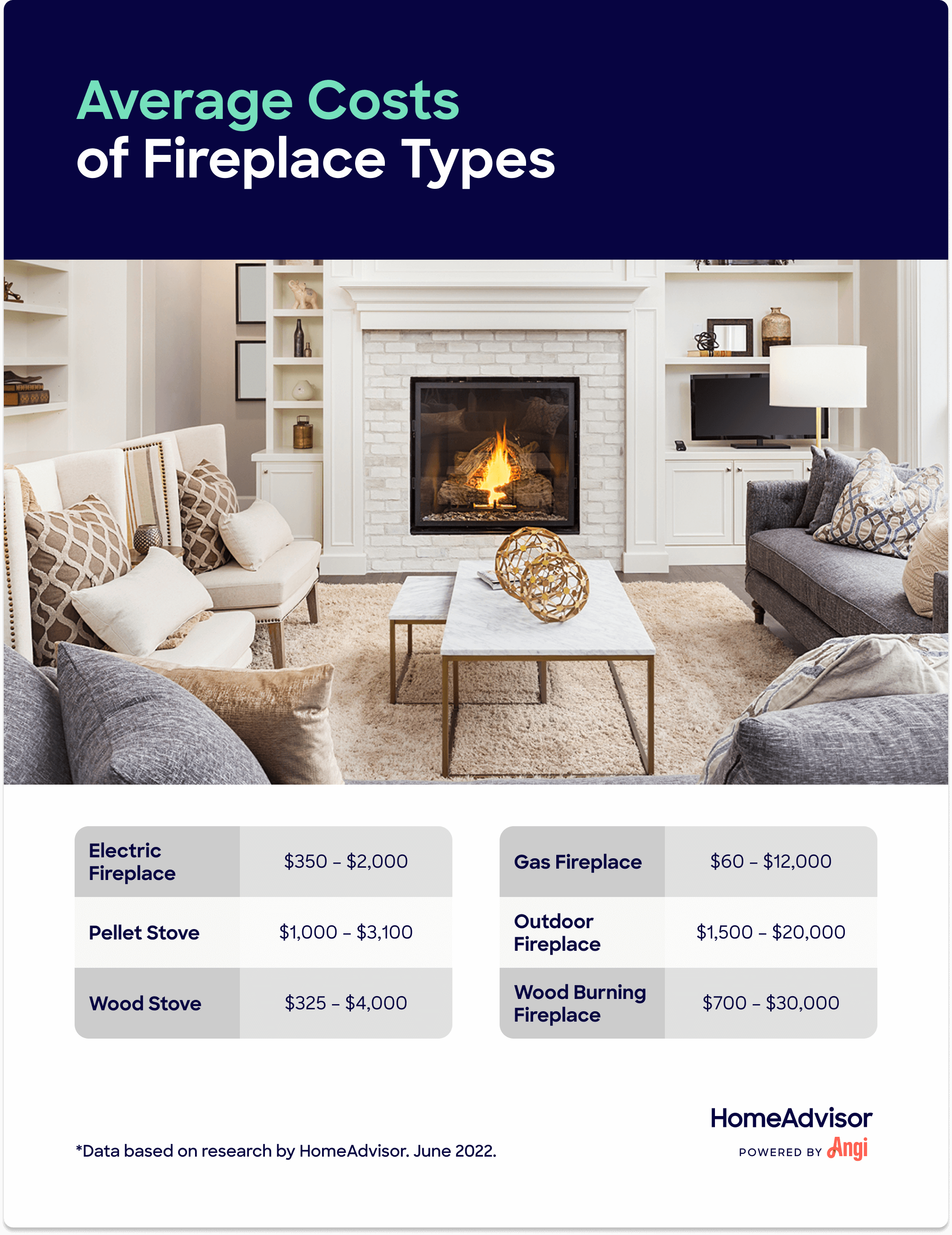
For a basic gas log conversion with an existing gas line, you might get away with $1,000 to $2,500. However, for a fully installed, efficient gas insert with gas line work, you're more realistically looking at $3,500 to $8,000+.
Yes, that's a pretty wide range! But it truly is a case of "you get what you pay for" and "what you already have."
Is it worth it? Sarah certainly thinks so. No more ash, no more hauling wood, just instant warmth and that cozy glow. Plus, it's often more energy-efficient than a traditional wood fire, which lets a lot of your home's heat escape up the chimney. So, if you're tired of being a lumberjack and ready for some instant gratification, start getting those quotes!