Cost Per Kwh Of Solar Energy

There's something uniquely satisfying about harnessing nature's power, isn't there? Whether it's catching a perfect wave, feeling the wind in your sails, or simply basking in the warmth of a sunny day, we humans have an innate appreciation for the vast, free energy around us. And perhaps no form of this appreciation has blossomed quite like our fascination with solar power. It's not just about being green; it's about a quiet revolution happening right on our rooftops, turning sunshine into something truly electrifying: savings.
Solar energy serves a profound purpose in our everyday lives, far beyond just environmental bragging rights. At its core, it offers energy independence. Imagine dramatically lower, or even non-existent, electricity bills, freeing up precious funds for other adventures or necessities. It’s about knowing that a significant portion of your home’s power comes from a clean, renewable source, reducing your personal carbon footprint and contributing to a healthier planet for future generations. Solar panels also quietly increase your home's value, making it more appealing to eco-conscious buyers looking for long-term financial benefits.
You see solar applied in myriad ways, from the obvious to the ingeniously subtle. Of course, there are the majestic solar farms sprawling across sun-drenched landscapes, feeding power directly into the national grid. Closer to home, you’ll spot those sleek panels adorning residential rooftops, silently generating electricity. But think smaller too: those charming solar-powered garden lights illuminating your pathways, the calculators that never need batteries, or even sophisticated solar chargers keeping your phone topped up on a hike. More and more, electric vehicle owners are even charging their cars directly from their home solar arrays, truly closing the loop on sustainable living.
Must Read
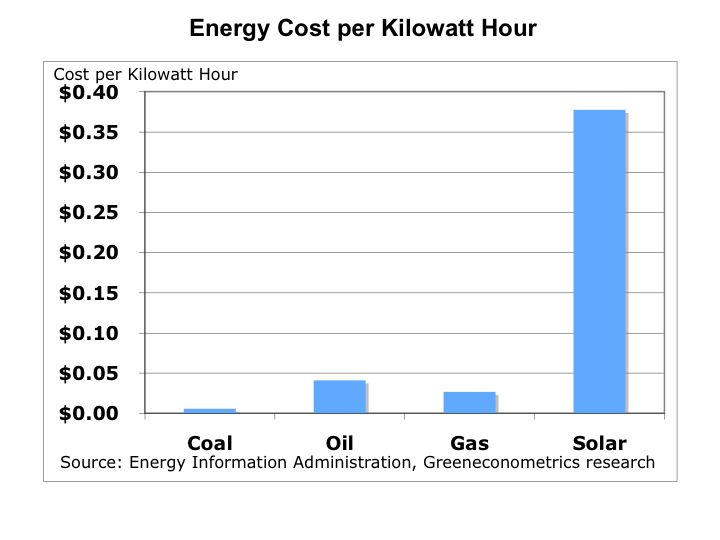
So, how can you "enjoy" the cost benefits of solar more effectively? The key lies in understanding the cost per kilowatt-hour (kWh). Don't just look at the intimidating upfront price tag of a system. Instead, ask your installer for the estimated lifetime cost per kWh. This calculation takes the total cost (after incentives) and divides it by the total electricity your panels are projected to produce over their 25+ year lifespan. You’ll often find that your solar-generated kWh comes in significantly cheaper than what you pay the utility company, especially over the long haul. Here are some practical tips:
- Get multiple quotes from reputable local installers to ensure competitive pricing and the best design for your home.
- Thoroughly research government incentives. Federal tax credits, state rebates, and local programs can dramatically reduce your initial investment, lowering that effective cost per kWh.
- Understand your current electricity consumption. This helps size your system correctly, ensuring you maximize savings without overspending on unnecessary capacity.
- Consider adding a home battery. While an extra investment, it enhances your energy independence, allows you to store excess solar for nighttime use, and can further optimize your savings by avoiding peak-time utility rates.
- Finally, monitor your system! Many solar setups come with apps that let you track production. Seeing your panels pump out clean, free electricity is incredibly satisfying and a constant reminder of the smart investment you've made. Embrace the sunshine, and let it power your life – and your wallet – for decades to come!