Cost Per Kilowatt Hour By Source

Ever find yourself staring at your electricity bill, wondering how those numbers came to be? You’re not alone. In our always-on world, powering everything from your morning coffee maker to your late-night streaming binge means we're constantly consuming energy. But have you ever paused to think about where that energy comes from, and more importantly, what its true cost is before it even reaches your plug socket?
It's a fascinating journey, and understanding the cost per kilowatt-hour (kWh) by source is like getting a backstage pass to the energy grid. It's not just about what you pay; it's about the bigger picture of our planet and our pockets.
The kWh Lowdown: Your Energy Currency
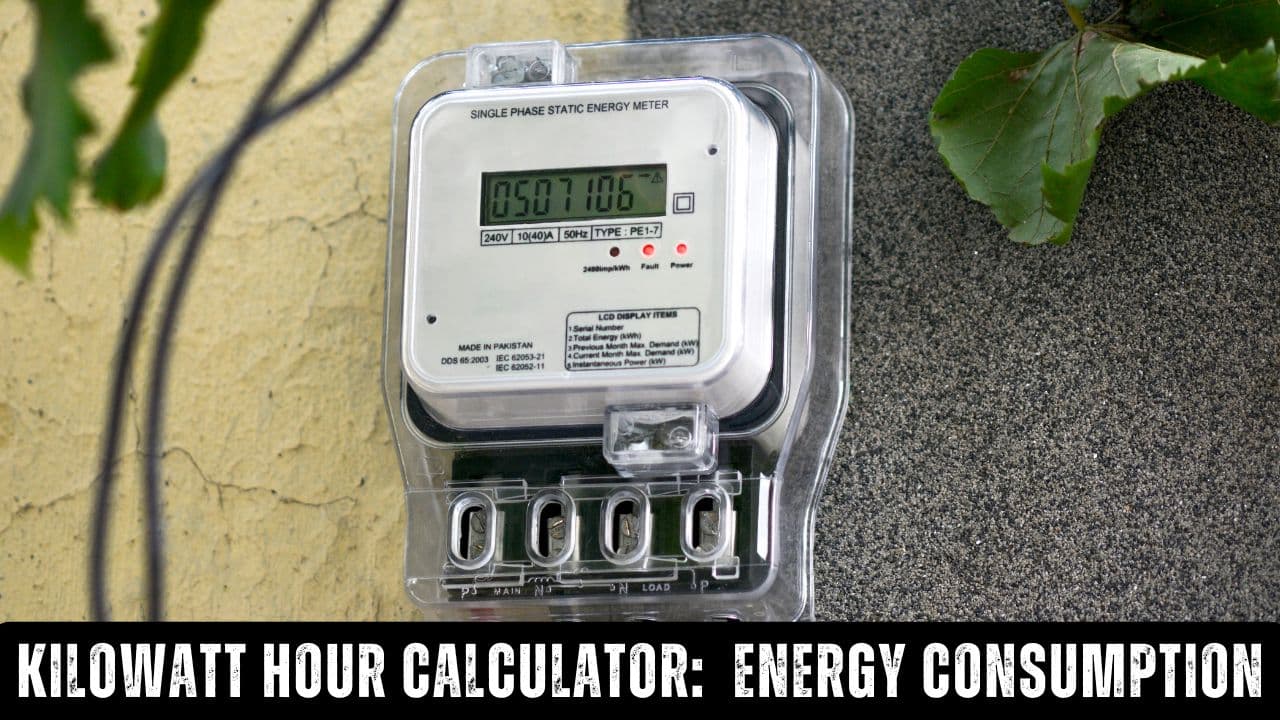
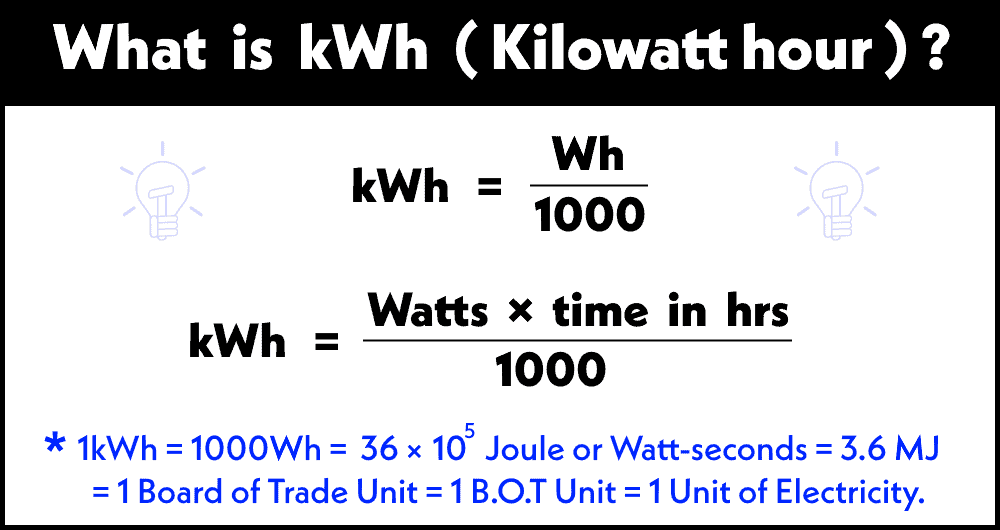
First things first: a kilowatt-hour. Think of it as the standard unit for measuring energy. If you leave a 100-watt light bulb on for 10 hours, you’ve used 1 kWh. Simple, right? The price you pay for each of those kWhs is determined by a lot of factors, but the primary source of that electricity is a huge one.
Must Read
It's like buying ingredients for a meal – some ingredients are cheaper to harvest or produce than others, and that impacts the final price of your dish. Let's dig into the main ingredients of our power grid.
Fossil Fuels: The Traditional Workhorses (with a Catch)
For decades, our grids have been powered predominantly by fossil fuels – namely coal, natural gas, and oil. These are the traditional heavyweights, reliable and relatively easy to store and transport, making them great for providing baseload power (the minimum amount of power needed at any given time).

- The Cost Story: The cost of electricity from fossil fuels largely depends on the market price of the fuel itself. Natural gas prices, for instance, can fluctuate wildly due to geopolitics, supply and demand, and even the weather (ever notice your bill spike during a cold snap?).
- Fun Fact: Did you know the first public power station, Thomas Edison's Pearl Street Station in NYC (1882), was coal-fired? Talk about a legacy!
- Practical Tip: Since fossil fuel prices are volatile, being mindful of your usage during peak demand hours (when utilities often rely more heavily on these sources) can sometimes save you money if you're on a time-of-use plan.
Nuclear Power: The Steady Giant (with a Long-Term View)
Nuclear energy is often seen as a bit of a paradox. It provides a massive amount of power with virtually zero greenhouse gas emissions during operation. Once built, nuclear plants have incredibly low operating costs because the 'fuel' (uranium) is incredibly energy-dense.
- The Cost Story: The biggest hurdle for nuclear is the astronomical upfront construction cost and the long, complex regulatory processes. However, once operational, they can run for decades, providing stable, low-cost electricity.
- Cultural Reference: Remember Homer Simpson's workplace? Yep, nuclear power plants have certainly made their mark in pop culture!
- Practical Tip: While you can't directly choose nuclear power, its inclusion in your region's energy mix often contributes to overall grid stability and can help keep average prices lower and more predictable.
Renewables: The Rising Stars (Getting Cheaper by the Day)
Ah, the darlings of the modern energy world: solar, wind, and hydroelectric power. These sources are game-changers because, once the infrastructure is built, their "fuel" – sunshine, wind, and water – is absolutely free.
- The Cost Story: The cost per kWh from renewables has plummeted dramatically over the last decade. Solar panels and wind turbines are becoming incredibly efficient and cheaper to manufacture and install. While they have upfront construction costs, the long-term operational costs are minimal, making them increasingly competitive, often even cheaper than new fossil fuel plants.
- Fun Fact: The world's largest offshore wind farm, Hornsea 2 off the UK coast, can power over 1.4 million homes! That's a lot of kettle boils.
- Practical Tip: Consider installing solar panels if it makes sense for your home, or look into green energy plans offered by your utility. Many providers now offer options to source your electricity from renewables, supporting a cleaner grid without you having to install a thing!
The Blended Bill: More Than Just the Source
It’s important to remember that your final electricity bill isn’t just about the raw cost of energy production. It also includes transmission and distribution fees (for getting the power from the plant to your home), taxes, and sometimes even incentives for energy efficiency programs. So, while understanding the source costs is crucial, it’s part of a larger equation.
Your Energy, Your Choices
Understanding where your electricity comes from and the varying costs associated with each source isn't just an academic exercise. It's empowering! It helps you make more informed decisions, from choosing energy-efficient appliances (reducing your overall kWh consumption) to potentially opting for a green energy plan.
Every time you flick a switch, you're tapping into a complex web of technology, economics, and environmental impact. By shedding a little light on the cost per kilowatt-hour by source, we hope you feel a bit more connected to the incredible journey electricity takes before it powers your life. Here's to smarter energy choices and a brighter, more sustainable future!