
Cost Of Running Aircon Per Hour
Ah, the sweet symphony of an air conditioner humming on a scorching day. It’s the ultimate antidote to humidity, the silent guardian of our sanity when the mercury soars. But as we bask in that glorious, chilled air, a tiny voice in the back of our minds often whispers: "What's this costing me?"
It's a fair question, and one many of us ponder as we eye that ever-spinning electricity meter. Let's peel back the layers and demystify the cost of running your beloved AC, all without breaking a sweat (literally!).
The Cool Math: How to Calculate Your AC Bill
Understanding the cost isn't rocket science, but it does involve a little simple math. The key term here is kilowatt-hour (kWh). This is how electricity is measured and billed. Your electricity provider charges you a certain rate per kWh (e.g., $0.15 per kWh).
Must Read
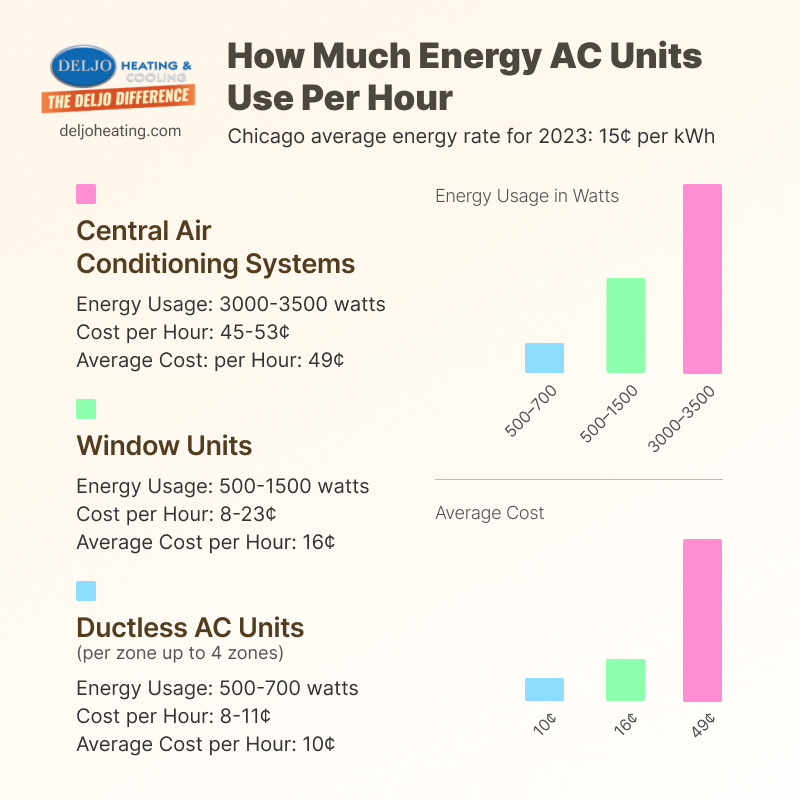
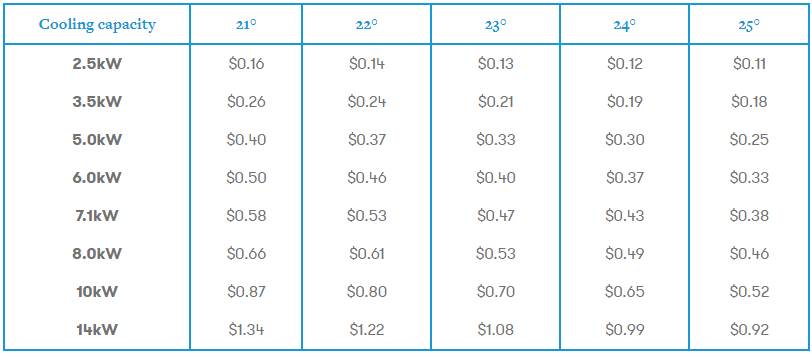
Most household AC units have their power consumption listed in watts (W) or kilowatts (kW). For example, a common 1-ton (or 12,000 BTU) AC unit might consume around 1,000 to 1,200 watts per hour, which is 1 to 1.2 kW. So, if your AC consumes 1 kW per hour and your electricity rate is $0.15 per kWh, you're looking at $0.15 per hour to run it. Simple, right?
Of course, this is a simplified example. Tariffs vary wildly from place to place. In some regions, you might pay as little as $0.10/kWh, while in others, it could creep up to $0.30/kWh or even higher during peak times. So, first step: know your local electricity rate!
What Actually Drives the Cost Up?
It's not just a flat rate. Several factors play a starring role in your AC's hourly consumption:
- Unit Size & Efficiency: A larger AC cooling a smaller space is often less efficient than a perfectly sized unit. More importantly, look for its SEER (Seasonal Energy Efficiency Ratio) rating. A higher SEER means more efficient cooling and lower running costs. Modern inverter ACs are also champions of efficiency, adjusting compressor speed rather than just turning on and off, which saves a significant amount of energy.
- Outside Temperature: This is a big one. The hotter it is outside, the harder your AC has to work to bring down the indoor temperature, consuming more power.
- Thermostat Setting: Every degree lower you set your thermostat means your AC has to work harder and longer. Aiming for a comfortable but not arctic indoor temperature (e.g., 24-26°C or 75-78°F) can make a huge difference.
- Insulation & Sealing: Poor insulation, leaky windows, and unsealed doors are like leaving a window open while the AC is blasting. You’re literally cooling the neighborhood!
Smart Cooling: Tips to Keep Costs Down Without Melting
Nobody wants to swelter, but we can all be smarter about how we cool. Here are some pro tips:
Optimize Thermostat Settings: As mentioned, find that sweet spot. Many recommend setting your thermostat to around 25°C (77°F). It might feel warm at first, but your body adjusts. For every degree you raise the thermostat, you can potentially save 3-5% on your energy bill!
Regular Maintenance is Key: Clean or replace your AC filters monthly. A dirty filter restricts airflow, making your unit work harder and consume more energy. Think of it like trying to breathe through a clogged nose – hard work!
Use Fans Wisely: Ceiling fans or portable fans don't cool the air, but they create a wind-chill effect, making you feel cooler. This allows you to set your AC thermostat a few degrees higher without sacrificing comfort. Just remember to turn them off when you leave the room.
Block the Sun: Close curtains and blinds, especially on south and west-facing windows, during the hottest parts of the day. This simple trick can drastically reduce heat gain in your home.

Zone Cooling: Why cool the whole house if you're only in one room? Close doors to unused rooms and focus the cool air where you need it most.
Fun Facts & Cultural Cool-Downs
Did you know that the first modern electrical air conditioning unit was invented in 1902 by Willis Carrier? It wasn't for comfort, though! It was to control temperature and humidity in a printing plant to improve print quality. We've certainly come a long way since then!
Globally, AC usage varies hugely. In places like Singapore or Dubai, AC is less a luxury and more a fundamental necessity for survival. Meanwhile, in some parts of Europe, residents might only own a portable unit for a few weeks a year, embracing open windows and natural ventilation for most of the summer.

The energy consumption of ACs is a big deal. In fact, air conditioning accounts for about 12% of total energy consumption in residential and commercial buildings in the US. That's a lot of power!
The Takeaway: Comfort with Consciousness
So, what's the bottom line? Running your air conditioner per hour can range anywhere from a few cents to upwards of $0.50 or more, depending on your unit, your settings, and your local electricity rates. The exact figure isn't as important as the understanding behind it.
Ultimately, enjoying the comfort of a cool home doesn't have to come with a hefty side of guilt. By being a little more aware of how our AC works, making a few smart adjustments, and keeping up with maintenance, we can all enjoy that blissful chill without feeling the burn in our wallets. It's about finding that sweet spot where comfort meets conscious consumption – a cool concept, indeed!