
Cost Of Owning An Electric Car

Just last week, I was stuck at the gas pump, watching the numbers climb like a SpaceX rocket launch. My wallet felt a sudden, inexplicable lightness. And then, a sleek, silent electric car glided past, its driver looking utterly unbothered, perhaps even a little smug. I swear, they gave me a tiny wave. A wave of superiority, I tell you.
That moment of pure, unadulterated petrol-price angst made me really dig into something we've all secretly wondered about: the true cost of owning an electric car. Because while that silent wave might scream 'savings!', is it actually all sunshine and rainbows, or are there hidden puddles we need to splash through?
The Sticker Shock & Sweet Incentives
Let's not beat around the bush, shall we? The initial price tag on an EV can sometimes make your eyes water a little. You see that number and think, "Whoa, that's a lot of avocado toast I'm giving up." And you're not wrong! Many EVs, especially the newer, flashier models, do come with a premium compared to their gas-guzzling cousins.
Must Read
However, my friend, this is where the plot thickens. Many governments, bless their eco-conscious hearts, offer generous incentives and rebates. We're talking federal tax credits, state incentives, sometimes even local utility company perks for buying an EV or installing a home charger. Suddenly, that eye-watering price tag starts looking a bit more like a gentle sprinkle. Always do your homework here – these can genuinely shave thousands off the upfront cost! It's like finding money in an old jacket, but way more substantial.
Fueling Up... Or, Plugging In?
Okay, this is probably the biggest, most obvious win for EV owners, right? No more gas stations! Imagine: no more standing in the rain, no more touching that germy pump, no more gasping at the price per gallon as it flashes past numbers you wish you hadn't seen. Instead, you plug in at home, often overnight, while you're literally sleeping. How wonderfully futuristic is that?
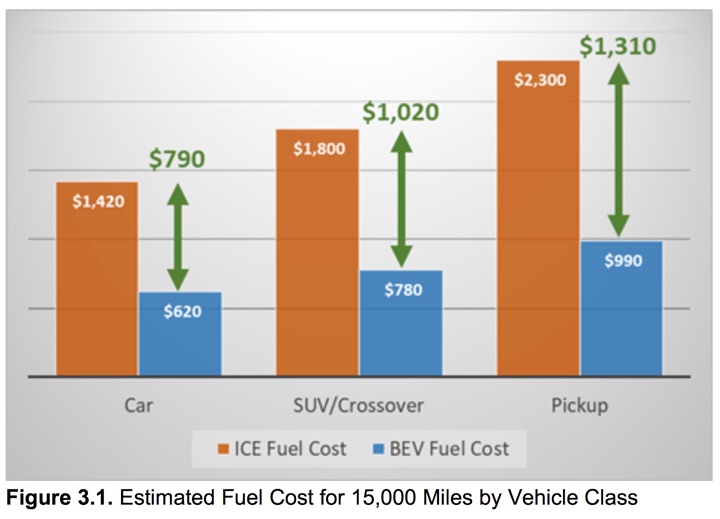
The cost? Well, charging at home during off-peak hours (when electricity is cheapest) is usually significantly cheaper than buying gasoline. We're talking pennies per mile, folks. Of course, public charging can be a different beast. Some chargers are free (yay!), some are subscription-based, and some rapid DC fast chargers can be surprisingly pricey, especially if you're in a hurry. So, while you're saying goodbye to the pump, you're saying hello to a new kind of 'fuel' budget. It’s a trade-off, but usually a very favorable one, saving you potentially hundreds each month. What would you do with that extra cash?
Maintenance (Or Lack Thereof!)
Get ready for some truly good news! This is where EVs really shine in the long run. Think about all the things a traditional combustion engine needs: oil changes, spark plugs, timing belts, exhaust systems, transmissions... the list goes on. EVs? They have far fewer moving parts. Seriously, it's a huge difference.
No oil changes, no fuel filters, no spark plugs. Your brakes might even last longer thanks to regenerative braking, where the motor helps slow the car and recharges the battery. The main things you'll typically be looking at are tires, windshield wiper fluid, and maybe brake pads eventually. Of course, regular inspections are still a thing, but trust me, the maintenance bills tend to be much lighter. This is where that long-term savings really adds up, wouldn't you agree? Less time at the mechanic means more time for... well, whatever you want!
Insurance & The Battery Question
Ah, insurance. The necessary evil. This one can be a bit of a mixed bag. Historically, EVs have sometimes been pricier to insure due to higher repair costs (specialized parts, fewer trained technicians) and their higher initial purchase price. However, as EVs become more mainstream and repair infrastructure improves, these costs are starting to level out. It really depends on the model, your driving history, and where you live. Always get multiple quotes, my friend, and compare apples to apples!
Now, let's address the elephant in the garage: the battery. Everyone worries about battery replacement cost. And yes, a new battery pack can be expensive. But here's the thing: most EV batteries come with lengthy warranties (often 8 years or 100,000 miles, sometimes more). Plus, battery technology is constantly improving, and their longevity is proving to be much better than initially feared. You'll likely trade in your car long before you need a new battery, and even then, third-party repairs and remanufactured packs are emerging. It's not nearly as scary as it sounds, I promise.
The Little Extras (And Resale Value)
Beyond the big-ticket items, there are a few other bits and bobs to consider. You'll likely want to install a Level 2 home charger, which can cost anywhere from a few hundred to a couple of thousand dollars, including installation. Again, check for local rebates on this! Also, some states are implementing specific EV road taxes to make up for lost gas tax revenue. Something to keep an eye on, but often still outweighed by fuel savings.
And then there's resale value. Early EVs sometimes depreciated quickly, but modern EVs, especially popular models, tend to hold their value quite well. The demand is only growing, after all. So, while the initial investment might feel chunky, you're often getting a decent return on that in the long run. Think of it as investing in your future, cleaner commute.
So, is owning an electric car cheaper? Well, it's not always an open-and-shut case on day one, thanks to that upfront cost. But when you factor in the massive savings on 'fuel,' the drastically reduced maintenance, and those sweet incentives, the scales often tip dramatically in the EV's favor over the typical ownership period. That driver giving me the smug wave at the gas station? Yeah, they probably were laughing. And honestly, after digging into all this, I'm starting to think they had every right to. Maybe I'll be the one waving next time, without a pit stop for my wallet.
